
Erntemaschine
Werkstoffe, Wärmebehandlung und Verschleiß von Erntemaschinenteilen
Besprechen Sie die Leistungsmerkmale hinter der Haltbarkeit von Schneidteilen, auch wenn ein Produktangebot keinen konkreten Härtewert nennt.
Entscheidungsübersicht
Werkstoff und Prozesskette für Werkstoffe, Wärmebehandlung und Verschleiß von Erntemaschinenteilen abstimmen
Beginnen Sie mit „Werkstoffzusammensetzung und Fertigungsweg“ und beziehen Sie die übrigen Bedingungen auf dieselbe Anforderung.
| Entscheidung | Warum dies die Prüfung beeinflusst | Hilfreiche Angaben des Käufers |
|---|---|---|
| Werkstoffzusammensetzung und Fertigungsweg | Definieren Sie zuerst die erforderliche Leistung und stimmen Sie dann Güte, Fertigungsweg, Wärmebehandlung, Härteprüfverfahren und Prüfstelle ab. Eine höhere Güte oder härtere Oberfläche ist nicht automatisch besser, wenn auch Zähigkeit, Ermüdung, Verschleißbild und Herstellbarkeit das Betriebsverhalten bestimmen. | bisherige Stoßbelastungen |
| Wärmebehandlungszustand und Querschnittsverhalten | Geben Sie den Dauerzustand, Abweichungen und die Stelle an, für die der Wert gilt. Temperatur kann Werkstoffverhalten, Dichtwirkung, Festigkeit, Beschichtungsleistung und zulässige Bewegung verändern und muss daher im Zusammenhang mit dem gesamten Einsatz- oder Fertigungsweg geprüft werden. | Einsatz- und Erntegutbedingungen |
| Härtebereich sowie Verfahren und Prüfstelle | Definieren Sie zuerst die erforderliche Leistung und stimmen Sie dann Güte, Fertigungsweg, Wärmebehandlung, Härteprüfverfahren und Prüfstelle ab. Eine höhere Güte oder härtere Oberfläche ist nicht automatisch besser, wenn auch Zähigkeit, Ermüdung, Verschleißbild und Herstellbarkeit das Betriebsverhalten bestimmen. | bisherige Stoßbelastungen |
| Verschleißfestigkeit mit Schlagzähigkeit abstimmen | Beschreiben Sie die Lasteinleitung in das Bauteil: Größe, Richtung, Verteilung, Wiederholung, Stöße und außergewöhnliche Bedingungen. So lassen sich Werkstoff, Querschnitt, Wärmebehandlung und Nachweis aufeinander abstimmen, statt anhand eines einzigen hervorgehobenen Festigkeitswerts auszuwählen. | bisherige Stoßbelastungen |
| Oberflächenzustand, Schneidengeometrie und Prüfung | Messen Sie von stabilen Bezugsflächen aus und geben Sie Einheiten, Bezugsrichtung und Probenzustand an. Kennzeichnen Sie bei verschlissenen oder verformten Mustern, welche Flächen noch verlässlich sind und welche Maße eine unverschlissene Referenz oder technische Bestätigung benötigen. | Boden- und Abrasionsbelastung |
Käuferfragen
Werkstoff- und Leistungsfragen zu Werkstoffen, Wärmebehandlung und Verschleiß von Erntemaschinenteilen
Diese Antworten helfen, Anforderungen an Werkstoffe, Wärmebehandlung und Verschleiß von Erntemaschinenteilen vorzubereiten und zu vergleichen. Endgültige Kennwerte, Maße und Abnahme bleiben an die tatsächlich zur Prüfung vorgelegten Projektdaten gebunden.
Warum sollte Härte auch ohne Katalogwert besprochen werden?
Weil Härte ein Aspekt des Verschleiß- und Stoßverhaltens ist, auch wenn der endgültige Wert projektspezifisch festgelegt wird. Besprechen Sie das erforderliche Verhalten, den Werkstoffweg, die Wärmebehandlung, die Prüfhärteskala, die Prüfstelle und den zulässigen Bereich. Bestätigen Sie anschließend die tatsächliche Anforderung anhand von Zeichnung, Muster oder vereinbarter Spezifikation. Fügen Sie für die nächste Prüfung Angaben zu bisherigen Stoßbelastungen bei oder nennen Sie diese.
Wie wirken Werkstoff, Schmieden oder Umformen, Wärmebehandlung und Oberflächenzustand zusammen?
Die Werkstoffzusammensetzung bestimmt das mögliche Verhalten; Umformen oder Schmieden verändert Faserverlauf und Geometrie; Wärmebehandlung entwickelt Festigkeit, Härte und Zähigkeit; Oberflächen- und Schneidenzustand beeinflussen Kontakt und Verschleiß. Diese Stufen sollten als eine Prozesskette geprüft werden. Fügen Sie für die nächste Prüfung Angaben zu bisherigen Stoßbelastungen bei oder nennen Sie diese.
Warum ist maximale Härte nicht automatisch das beste Ziel?
Maximale Härte ist kein allgemeingültiges Ziel. Das Teil muss genügend Zähigkeit für Stoß- und Biegebelastungen behalten und zugleich die erforderliche Verschleißfestigkeit bieten. Das sinnvolle Gleichgewicht hängt von Querschnittsdicke, Geometrie, Prozesskonstanz und Feldbedingungen ab. Fügen Sie für die nächste Prüfung Angaben zu bisherigen Stoßbelastungen bei oder nennen Sie diese.
Wie können Verschleißfestigkeit und Schlagzähigkeit im Konflikt stehen?
Eine höhere Härte oder ein höherer Hartphasenanteil kann die Abrasionsbeständigkeit verbessern, aber die Toleranz gegenüber Stößen, Fehlausrichtung oder Spannungskonzentrationen verringern. Definieren Sie die maßgeblichen Verschleiß- und Stoßbedingungen, bevor Sie Werkstoff und Wärmebehandlungsziel wählen. Fügen Sie für die nächste Prüfung Angaben zu bisherigen Stoßbelastungen bei oder nennen Sie diese.
Welche Prüfprotokolle können für Schneidteile angefordert werden?
Je nach überwachter Anforderung können Käufer Werkstoffidentifikation, Wärmebehandlungs- oder Härteprotokolle, Maßberichte, Oberflächen- oder Schneidenprüfungen und den Stichprobenumfang anfordern. Vereinbaren Sie vor Produktionsbeginn das genaue Merkmal, Verfahren, die Prüfstelle und das Abnahmekriterium. Fügen Sie für die nächste Prüfung die benötigten Prüfdokumente bei oder benennen Sie diese.
Anforderungsunterlagen
Die erforderliche Leistung beschreiben, bevor eine Güte benannt wird
Senden Sie für Werkstoffe, Wärmebehandlung und Verschleiß von Erntemaschinenteilen bestätigte Werte mit Einheiten und Quelle. Kennzeichnen Sie Unbekanntes als „noch zu bestätigen“, statt daraus eine geschätzte Produktionsanforderung zu machen.
Eine Prüfung kann mit Einsatz- und Erntegutbedingungen, Boden- und Abrasionsbelastung sowie bisherigen Stoßbelastungen beginnen. RELIA kann dann Angaben für den Abgleich mit dem Produktsortiment von Entscheidungen trennen, die Sonderfertigung oder weitere technische Bestätigung erfordern.
Prüfreihenfolge
Werkstoff, Behandlung, Oberflächenbearbeitung und Prüfung verbinden
Diese Reihenfolge ermöglicht eine frühe Besprechung von Werkstoffen, Wärmebehandlung und Verschleiß von Erntemaschinenteilen, ohne fehlende Informationen zu verbergen. Bestätigte Angaben, Angebotsannahmen und offene Entscheidungen bleiben für Käufer und Lieferant sichtbar.
Die Aufgabe zu Werkstoffen und Verschleiß definieren
Geben Sie an, was Werkstoffe, Wärmebehandlung und Verschleiß von Erntemaschinenteilen leisten müssen und wie dies mit dem umgebenden System zusammenhängt.
Bestätigte Angaben von offenen Punkten trennen
Erfassen Sie Einsatz- und Erntegutbedingungen, Boden- und Abrasionsbelastung sowie bisherige Stoßbelastungen und kennzeichnen Sie noch zu bestätigende Werte eindeutig.
Die maßgeblichen Faktoren für Werkstoffe und Verschleiß prüfen
Verknüpfen Sie Werkstoffzusammensetzung und Fertigungsweg, Wärmebehandlungszustand und Querschnittsverhalten sowie Härtebereich, Verfahren und Prüfstelle mit Zeichnungen, Mustern oder Abnahmehinweisen.
Eine gelenkte Anforderung zu Werkstoffen und Verschleiß freigeben
Übernehmen Sie denselben genehmigten Revisionsstand und dieselben Annahmen zu Werkstoffen, Wärmebehandlung und Verschleiß von Erntemaschinenteilen in Angebot, Musterprüfung, Produktion und Prüfung.
Entscheidungsgrenzen
Wo eine Werkstoffbezeichnung das Betriebsverhalten nicht vorhersagen kann
Diese Seite zu Werkstoffen, Wärmebehandlung und Verschleiß von Erntemaschinenteilen bietet einen systematischen Ausgangspunkt. Sie ersetzt weder die Konstruktionsverantwortung des Käufers noch geltende Regelwerke oder die endgültige Projektfreigabe.
Diesen Leitfaden zur Vorbereitung der Werkstoff- und Verschleißprüfung nutzen
- bekannte Einsatz- und Erntegutbedingungen sowie Boden- und Abrasionsbelastung zusammenstellen
- Vorschläge anhand derselben Annahmen vergleichen
- noch fehlende Maße, Einsatzdaten oder Protokolle identifizieren
- zwischen Sortimentsprüfung und Prüfung einer Sonderfertigung wählen
Die endgültige Freigabe von Werkstoffen und Verschleißanforderungen richtet sich nach der Projektspezifikation
- endgültige Größe, Werkstoff, Kennwerte, Verfahren oder Konfiguration
- Kompatibilität mit der gesamten Betriebs- und Einbauumgebung
- geltendes Regelwerk sowie Freigabe durch Endnutzer oder Konstruktionsverantwortliche
- auftragsspezifische Stichproben, Prüfungen, Dokumente, Verpackungs- und Lieferbedingungen
Fertigungshintergrund dieses technischen Leitfadens
Werkstoff, Wärmebehandlung und Passung im Feldeinsatz bilden einen gemeinsamen Weg zur Verschleißkontrolle
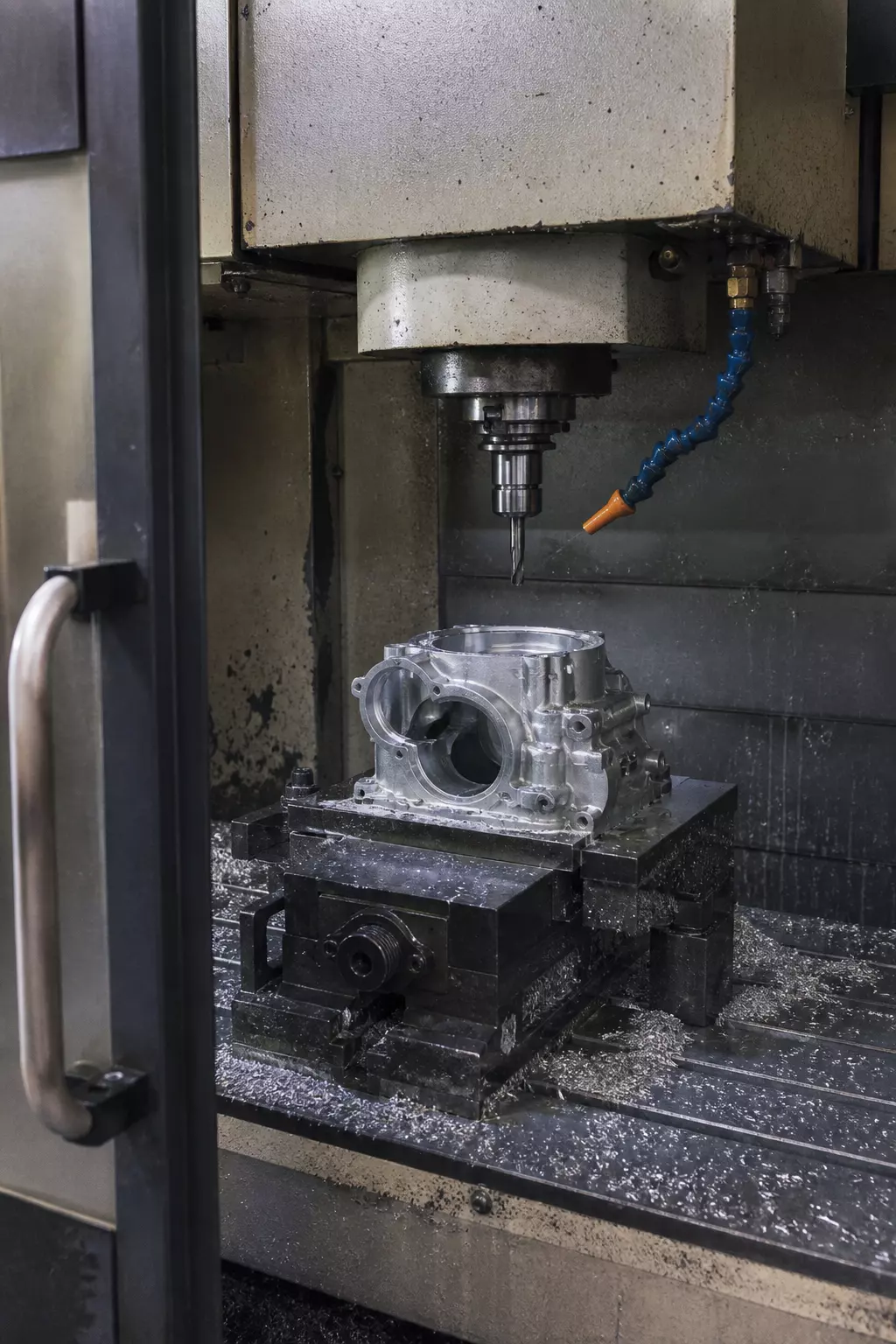
RELIA fertigt Schneidteile im eigenen Werk. Die typische Härte von Messerklingen liegt je nach freigegebenem Werkstoff und Wärmebehandlungsweg bei HRC 45–58.
Für RL-HK-2401 wurden nach Anpassung der Wärmebehandlungskurve 500 Muster in 20 Tagen fertiggestellt. Die Passung im Feldeinsatz wurde erfolgreich geprüft, bevor das Teil in die jährliche Beschaffung und Mengenplanung aufgenommen wurde.
Projektspezifische Prüfung
Senden Sie die verfügbaren Informationen zu Werkstoffen, Wärmebehandlung und Verschleiß von Erntemaschinenteilen.
RELIA kann Einsatz- und Erntegutbedingungen sowie Boden- und Abrasionsbelastung strukturieren, eine Liste offener Punkte zurückmelden und prüfen, ob die Anfrage über ein verfügbares Produktsortiment oder eine Sonderfertigung weiterbearbeitet werden sollte.
Bei einer Anfrage zu Werkstoffen, Wärmebehandlung und Verschleiß von Erntemaschinenteilen können relevante ISO 9001-, ISO 14001- und weitere Lieferantenqualifikationsdokumente besprochen und aktuelle Kopien auf Anfrage bereitgestellt werden. Diese Managementsystemnachweise ersetzen keine auftragsspezifische Produktabnahme.