
Verbindungselemente
Anfrage für kundenspezifische Verbindungselemente und CNC-Teile
Machen Sie aus einem Konzept, Muster oder einer Zeichnung ein gelenktes Anfragepaket für die kundenspezifische Fertigung.
Anforderungspaket
Verbindliche Anforderungen von hilfreichen Referenzen trennen
Senden Sie für die Anfrage für kundenspezifische Verbindungselemente und CNC-Teile bestätigte Werte mit Einheiten und Quellen. Kennzeichnen Sie Unbekanntes als „noch zu bestätigen“, statt daraus eine vermutete Fertigungsanforderung zu machen.
Die Prüfung kann mit 2D-PDF und 3D-Modell, sofern vorhanden, Zeichnungsrevision und Werkstoff beginnen. RELIA kann anschließend Informationen für den Abgleich mit dem Produktsortiment von Entscheidungen trennen, die eine Sonderfertigung oder weitere technische Klärung erfordern.
Entscheidungsübersicht
Die Teiledefinition in ein kalkulierbares Fertigungspaket überführen
Beginnen Sie mit „Maße und Toleranzen richten sich nach der 2D-Zeichnung“ und verknüpfen Sie die übrigen Bedingungen mit derselben Anforderung.
| Entscheidung | Warum sie die Prüfung beeinflusst | Hilfreiche Käuferangabe |
|---|---|---|
| Maße und Toleranzen richten sich nach der 2D-Zeichnung | Messen Sie von stabilen Bezugsflächen aus und geben Sie Einheiten, Bezugsrichtung und Musterzustand an. Kennzeichnen Sie bei verschlissenen oder verformten Mustern, welche Flächen noch verlässlich sind und welche Maße eine unverschlissene Referenz oder eine technische Bestätigung benötigen. | Zeichnungsrevision |
| Das 3D-Modell beschreibt die Geometrie, aber nicht jede Anforderung | Messen Sie von stabilen Bezugsflächen aus und geben Sie Einheiten, Bezugsrichtung und Musterzustand an. Kennzeichnen Sie bei verschlissenen oder verformten Mustern, welche Flächen noch verlässlich sind und welche Maße eine unverschlissene Referenz oder eine technische Bestätigung benötigen. | Zeichnungsrevision |
| Kritische Merkmale benötigen eindeutige Abnahmekriterien | Ordnen Sie die geforderten Nachweise einem Merkmal, einer Methode, einem Stichprobenumfang und einem Abnahmekriterium zu. Vereinbaren Sie die Dokumentation vor der Angebotserstellung, wenn sie Materialbeschaffung, Prozessplanung, Prüfzeit oder Freigabeunterlagen verändert. | Zeichnungsrevision |
| Werkstoff, Wärmebehandlung und Oberflächenbehandlung bilden eine Prozesskette | Geben Sie Dauerbedingungen, Abweichungen und die Stelle an, an der der Wert gilt. Temperatur kann Werkstoffverhalten, Abdichtung, Festigkeit, Beschichtungsleistung und zulässige Bewegung verändern und muss deshalb im gesamten Einsatz- oder Fertigungsablauf geprüft werden. | Wärmebehandlung/Oberflächenbehandlung |
| Revision, Menge und Prüfumfang beeinflussen das Angebot | Ordnen Sie die geforderten Nachweise einem Merkmal, einer Methode, einem Stichprobenumfang und einem Abnahmekriterium zu. Vereinbaren Sie die Dokumentation vor der Angebotserstellung, wenn sie Materialbeschaffung, Prozessplanung, Prüfzeit oder Freigabeunterlagen verändert. | Zeichnungsrevision |
Prüfreihenfolge
Den Ablauf von der Zeichnungsprüfung bis zur Musterfreigabe steuern
Diese Reihenfolge ermöglicht eine frühzeitige Besprechung der Anfrage für kundenspezifische Verbindungselemente und CNC-Teile, ohne Informationslücken zu verdecken. Bestätigte Angaben, Angebotsannahmen und ausstehende Entscheidungen bleiben für Käufer und Lieferant sichtbar.
Die Aufgabe der Sonderteilanfrage definieren
Geben Sie an, was die Anfrage für kundenspezifische Verbindungselemente und CNC-Teile erreichen muss und wie sie mit dem umgebenden System zusammenhängt.
Bestätigte Angaben von offenen Punkten trennen
Erfassen Sie 2D-PDF und 3D-Modell, sofern vorhanden, Zeichnungsrevision und Werkstoff und kennzeichnen Sie noch zu bestätigende Werte eindeutig.
Die maßgeblichen Faktoren der Sonderteilanfrage prüfen
Verknüpfen Sie die Grundsätze, dass die 2D-Zeichnung Maße und Toleranzen vorgibt, das 3D-Modell die Geometrie, aber nicht alle Anforderungen beschreibt und kritische Merkmale eindeutige Abnahmekriterien benötigen, mit Zeichnungen, Mustern oder Abnahmehinweisen.
Eine einheitliche gelenkte Anforderung für die Sonderteilanfrage freigeben
Übernehmen Sie dieselbe genehmigte Revision und dieselben Annahmen der Anfrage für kundenspezifische Verbindungselemente und CNC-Teile in Angebot, Musterprüfung, Fertigung und Prüfung.
Käuferfragen
Fragen zur Anfrage für kundenspezifische Verbindungselemente und CNC-Teile
Diese Antworten helfen, Anforderungen für eine Anfrage für kundenspezifische Verbindungselemente und CNC-Teile vorzubereiten und zu vergleichen. Endgültige Nennwerte, Maße und Abnahme bleiben an die zur Prüfung vorgelegten tatsächlichen Projektdaten gebunden.
Was sollte eine Zeichnung für ein kundenspezifisches Verbindungselement enthalten?
Geben Sie Teilegeometrie, Bezüge, Maße, Toleranzen, Gewindeangaben, Werkstoff, Wärmebehandlung, Oberflächenbehandlung, kritische Merkmale, Revision, Einheiten sowie erforderliche Prüfungen oder Kennzeichnungen an. Ein 3D-Modell allein vermittelt selten alle Abnahmeanforderungen. Fügen Sie für die nächste Prüfung die Zeichnungsrevision bei oder geben Sie sie an.
Wie werden kritische Maße und Referenzmaße unterschieden?
Kritische Maße beeinflussen Funktion, Montage oder Sicherheit unmittelbar und benötigen eindeutige Toleranzen und eine Überprüfung. Referenzmaße dienen der Information, bestimmen aber nicht eigenständig die Abnahme; kennzeichnen Sie den Unterschied deutlich in der Zeichnung. Fügen Sie für die nächste Prüfung die Zeichnungsrevision bei oder geben Sie sie an.
Wann ist zusätzlich zur Zeichnung ein physisches Muster hilfreich?
Ein Muster hilft, Geometrie, Montage, Oberflächenbehandlung, Verschleißbild oder ein nicht dokumentiertes Altteil zu erläutern. Es sollte eine gelenkte Definition der endgültigen Maße und Abnahmekriterien ergänzen und nicht stillschweigend ersetzen. Fügen Sie für die nächste Prüfung 2D-PDF und 3D-Modell, sofern vorhanden, bei oder geben Sie diese an.
Wie sollten Rohmaterial, Wärmebehandlung, Beschichtung und Prüfung spezifiziert werden?
Definieren Sie die gesamte Prozesskette mit Werkstoffgüte und Zustand, Wärmebehandlung oder Härte, Beschichtung oder Oberflächenbehandlung, maskierten Bereichen, Maßzustand nach der Bearbeitung und erforderlichen Aufzeichnungen. Widersprüchliche Hinweise sollten vor der Angebotserstellung geklärt werden. Fügen Sie für die nächste Prüfung Angaben zur Wärmebehandlung/Oberflächenbehandlung bei oder nennen Sie diese.
Welche Toleranzen sollten nicht pauschal für jedes Merkmal gelten?
Wenden Sie keine enge Allgemeintoleranz auf jedes Merkmal an, wenn nur wenige Schnittstellen die Funktion bestimmen. Legen Sie Bezüge und kritische Merkmale fest, verwenden Sie zweckgerechte Toleranzen und belassen Sie nichtkritische Geometrien bei einer angemessenen Allgemeintoleranz. Fügen Sie für die nächste Prüfung die Zeichnungsrevision bei oder geben Sie sie an.
Entscheidungsgrenze
Bis zur Zeichnungs- und Musterfreigabe offene Punkte
Diese Seite zur Anfrage für kundenspezifische Verbindungselemente und CNC-Teile bietet einen strukturierten Ausgangspunkt und ersetzt weder die Konstruktionsverantwortlichen des Käufers noch geltende Regelwerke oder die endgültige Projektfreigabe.
Mit diesem Leitfaden die Prüfung der Sonderteilanfrage vorbereiten
- Vorhandene 2D-PDFs und 3D-Modelle, sofern verfügbar, sowie die Zeichnungsrevision zusammenstellen
- Vorschläge anhand derselben Annahmen vergleichen
- Noch fehlende Maße, Einsatzbedingungen oder Aufzeichnungen identifizieren
- Zwischen Sortimentsprüfung und Prüfung einer Sonderfertigung wählen
Die endgültige Freigabe der Sonderteilanfrage richtet sich weiterhin nach der Projektspezifikation
- Endgültige Größe, Werkstoff, Nennwerte, Verfahren oder Konfiguration
- Kompatibilität mit der gesamten Betriebs- und Installationsumgebung
- Geltendes Regelwerk sowie Freigabe durch Endnutzer oder Konstruktionsverantwortliche
- Auftragsspezifische Stichproben, Prüfungen, Dokumente, Verpackungs- und Lieferbedingungen
Fertigungshintergrund zu diesem technischen Leitfaden
Eine gelenkte Anfrage verbindet die Zeichnung mit Muster- und Chargennachweisen
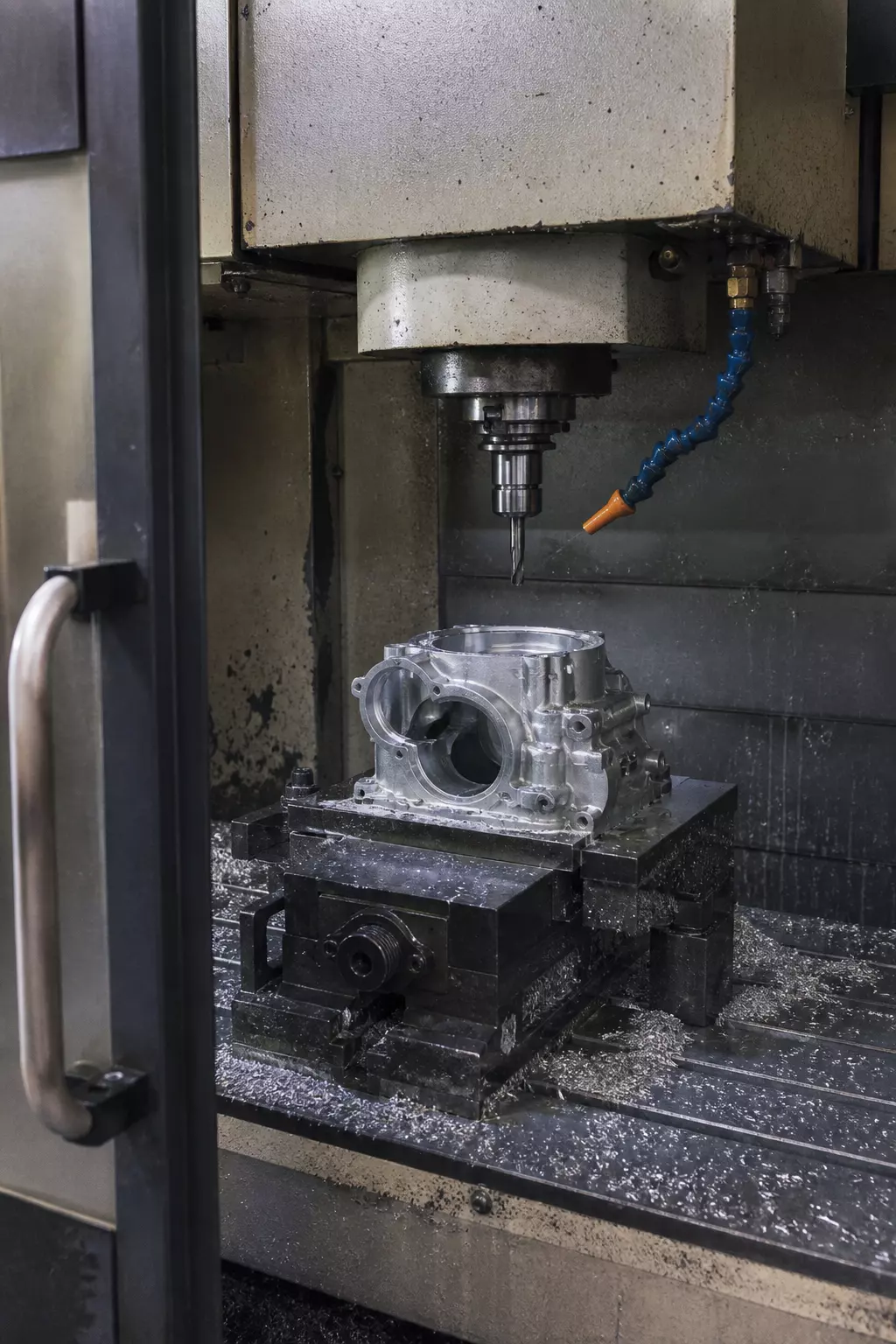
RELIA fertigt kundenspezifische Verbindungselemente und CNC-Teile im eigenen Werk. Die Anfrage hält Zeichnung, Werkstoff, Verfahren, Prüfung und kaufmännischen Umfang auf einem einheitlichen Revisionsstand.
Maße, Gewinde, Härte und Zugfestigkeit wurden geprüft; das Beschichtungsergebnis wurde vor der Freigabe korrigiert. Anschließend wurde der Auftrag auf Grundlage der akzeptierten Zeichnung und Prüfvorgaben fortgeführt.
Projektspezifische Prüfung
Senden Sie die verfügbaren Informationen zur Anfrage für kundenspezifische Verbindungselemente und CNC-Teile.
RELIA kann 2D-PDFs und 3D-Modelle, sofern vorhanden, sowie die Zeichnungsrevision zusammenstellen, eine Liste offener Punkte zurücksenden und prüfen, ob die Anfrage über ein vorhandenes Produktsortiment oder eine Sonderfertigung weitergeführt werden sollte.
Bei einer Anfrage für kundenspezifische Verbindungselemente und CNC-Teile können anwendbare ISO 9001-, ISO 14001- und weitere Lieferantenqualifikationsunterlagen besprochen und aktuelle Kopien auf Anfrage bereitgestellt werden. Diese Managementsystemnachweise ersetzen keine auftragsspezifische Produktabnahme.