
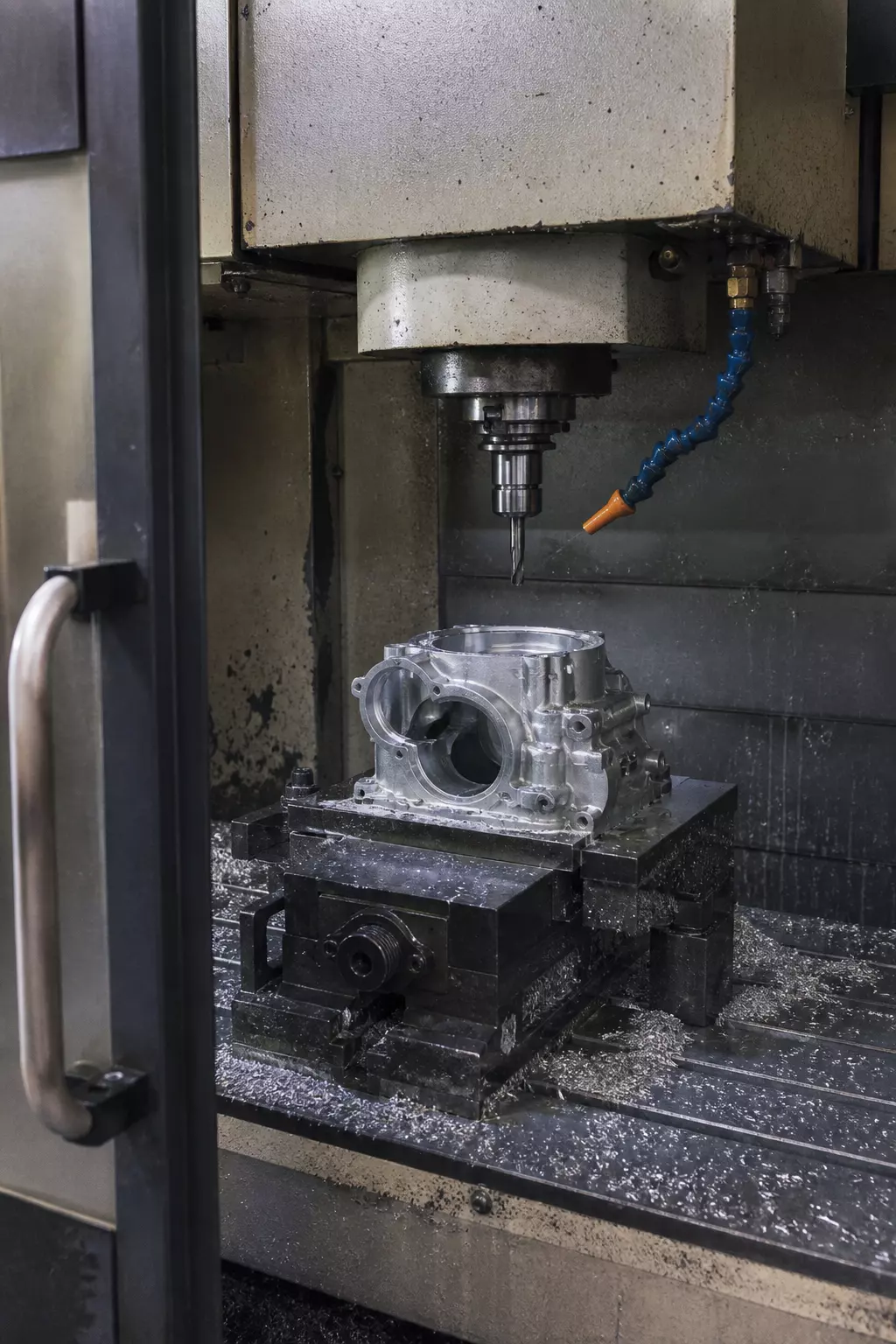
Referenz
Prüfaufzeichnungen für Industriekomponenten
Fordern Sie Aufzeichnungen an, die den tatsächlichen Auftragsanforderungen und vereinbarten Abnahmekriterien entsprechen.
Entscheidungsübersicht
Jede Prüfaufzeichnung einer Auftragsanforderung zuordnen
Beginnen Sie mit „Werkstoffidentität und Rückverfolgbarkeit“ und beziehen Sie die übrigen Bedingungen auf dieselbe Anforderung.
| Entscheidung | Warum dies die Prüfung beeinflusst | Hilfreiche Käuferangaben |
|---|---|---|
| Werkstoffidentität und Rückverfolgbarkeit | Definieren Sie zuerst die erforderliche Leistung und stimmen Sie anschließend Werkstoffsorte, Fertigungsweg, Wärmebehandlung, Härteprüfverfahren und Prüfstelle darauf ab. Eine höhere Güte oder härtere Oberfläche ist nicht automatisch besser, wenn auch Zähigkeit, Ermüdung, Verschleißbild und Herstellbarkeit das Betriebsverhalten bestimmen. | Bedarf an Werkstoffzeugnissen |
| Umfang des Maßprüfberichts und Stichprobenprüfung | Messen Sie von stabilen Bezugsflächen aus und geben Sie Einheiten, Bezugsrichtung und Probenzustand an. Kennzeichnen Sie bei verschlissenen oder verformten Mustern, welche Flächen noch verlässlich sind und welche Maße eine unverschlissene Referenz oder technische Bestätigung erfordern. | Stichproben- oder 100%-Prüfumfang |
| Prüfverfahren, Ausrüstung und Abnahmekriterien | Verknüpfen Sie den angeforderten Nachweis mit einem Merkmal, Verfahren, Stichprobenumfang und Abnahmekriterium. Vereinbaren Sie die Aufzeichnung vor der Angebotserstellung, wenn sie Materialbeschaffung, Prozessplanung, Prüfzeit oder Freigabedokumentation beeinflusst. | Stichproben- oder 100%-Prüfumfang |
| Vor der Angebotserstellung angeforderte Sonderprüfungen | Verknüpfen Sie den angeforderten Nachweis mit einem Merkmal, Verfahren, Stichprobenumfang und Abnahmekriterium. Vereinbaren Sie die Aufzeichnung vor der Angebotserstellung, wenn sie Materialbeschaffung, Prozessplanung, Prüfzeit oder Freigabedokumentation beeinflusst. | Stichproben- oder 100%-Prüfumfang |
| Verpackungs-, Kennzeichnungs- und Abweichungsaufzeichnungen | Verknüpfen Sie den angeforderten Nachweis mit einem Merkmal, Verfahren, Stichprobenumfang und Abnahmekriterium. Vereinbaren Sie die Aufzeichnung vor der Angebotserstellung, wenn sie Materialbeschaffung, Prozessplanung, Prüfzeit oder Freigabedokumentation beeinflusst. | Stichproben- oder 100%-Prüfumfang |
Prüfreihenfolge
Nachweise vor Produktionsbeginn planen
Diese Reihenfolge ermöglicht eine frühzeitige Besprechung der Komponentenprüfaufzeichnungen, ohne fehlende Informationen zu verbergen. Bestätigte Angaben, Angebotsannahmen und ausstehende Entscheidungen bleiben für Käufer und Lieferant sichtbar.
Die Aufgabe der Prüfaufzeichnungen definieren
Beschreiben Sie, was die Komponentenprüfaufzeichnungen leisten müssen und wie dies mit dem umgebenden System zusammenhängt.
Bestätigte Angaben von offenen Punkten trennen
Erfassen Sie kritische Merkmale, Stichproben- oder 100%-Prüfumfang und den Bedarf an Werkstoffzeugnissen; kennzeichnen Sie noch zu bestätigende Werte deutlich.
Die maßgeblichen Faktoren für Prüfaufzeichnungen prüfen
Verknüpfen Sie Werkstoffidentität und Rückverfolgbarkeit, Umfang des Maßprüfberichts und Stichprobenprüfung, Prüfverfahren, Ausrüstung und Abnahmekriterien mit Zeichnungen, Mustern oder Abnahmehinweisen.
Eine gelenkte Anforderung an Prüfaufzeichnungen freigeben
Übernehmen Sie denselben freigegebenen Revisionsstand und dieselben Annahmen zu Komponentenprüfaufzeichnungen in Angebot, Musterprüfung, Produktion und Prüfung.
Anforderungspaket
Merkmal, Verfahren, Stichprobenprüfung und Abnahme definieren
Senden Sie für Komponentenprüfaufzeichnungen bestätigte Werte mit Einheiten und Quelle. Kennzeichnen Sie Unbekanntes als „noch zu bestätigen“, statt daraus eine geschätzte Produktionsanforderung zu machen.
Eine Prüfung kann mit kritischen Merkmalen, Stichproben- oder 100%-Prüfumfang und dem Bedarf an Werkstoffzeugnissen beginnen. RELIA kann anschließend Angaben für den Abgleich mit dem Produktsortiment von Entscheidungen trennen, die eine Sonderfertigung oder weitere technische Bestätigung erfordern.
Käuferfragen
Fragen zu Prüfaufzeichnungen für kundenspezifische Industriekomponenten
Diese Antworten helfen, Anforderungen an Komponentenprüfaufzeichnungen vorzubereiten und zu vergleichen. Endgültige Bemessungswerte, Maße und Abnahme bleiben an die tatsächlichen, zur Prüfung eingereichten Projektdaten gebunden.
Was unterscheidet Maßprüfung und Funktionsnachweis?
Die Maßprüfung vergleicht gemessene Merkmale mit einer Zeichnung oder Spezifikation. Der Funktionsnachweis prüft, ob die Komponente eine definierte Aufgabe oder Schnittstellenfunktion erfüllt. Ein Teil kann eine Prüfung bestehen und dennoch die andere benötigen, wenn die Funktion von Montage oder Betriebsverhalten abhängt. Fügen Sie für die nächste Prüfung den Stichproben- oder 100%-Prüfumfang bei oder geben Sie ihn an.
Was gehört in ein Werkstoffzeugnis oder einen Rückverfolgbarkeitsnachweis?
Eine Werkstoffaufzeichnung sollte die Werkstoffbezeichnung, den Schmelzen- oder Chargenbezug und die im Auftrag geforderten chemischen oder mechanischen Prüfergebnisse ausweisen. Dokumentart und Rückverfolgbarkeitstiefe sollten vor der Angebotserstellung vereinbart werden. Fügen Sie für die nächste Prüfung den Bedarf an Werkstoffzeugnissen bei oder geben Sie ihn an.
Wann kann ein Maßprüfbericht angefordert werden?
Ein Maßprüfbericht kann für Muster, Erstmuster oder die Produktion angefordert werden, wenn die Zeichnung Merkmale und Stichprobenumfang festlegt. Geben Sie an, ob alle Maße, nur kritische Merkmale oder ein vom Käufer vorgegebenes Format erforderlich sind. Fügen Sie für die nächste Prüfung Berichtsformat/-sprache bei oder geben Sie diese an.
Entscheidungsgrenze
Was ein allgemeines Zertifikat über den Auftrag nicht nachweisen kann
Diese Seite zu Komponentenprüfaufzeichnungen bietet einen systematischen Ausgangspunkt, ersetzt jedoch weder die Konstruktionsverantwortung des Käufers noch das geltende Regelwerk oder die abschließende Projektfreigabe.
Diesen Leitfaden zur Vorbereitung der Prüfung von Prüfaufzeichnungen nutzen
- bekannte kritische Merkmale und den Stichproben- oder 100%-Prüfumfang ordnen
- Angebote unter denselben Annahmen vergleichen
- noch fehlende Maße, Einsatzbedingungen oder Aufzeichnungen ermitteln
- zwischen Sortimentsprüfung und Prüfung einer Sonderfertigung wählen
Die endgültige Freigabe der Prüfaufzeichnungen richtet sich nach der Projektspezifikation
- endgültige Größe, Werkstoff, Bemessungswerte, Verfahren oder Konfiguration
- Kompatibilität mit der gesamten Betriebs- und Einbauumgebung
- geltendes Regelwerk sowie Genehmigung durch Endnutzer oder Konstruktionsverantwortliche
- auftragsspezifische Stichproben-, Prüf-, Dokumentations-, Verpackungs- und Lieferbedingungen
Werkskontext zu diesem technischen Leitfaden
Prüfaufzeichnungen bleiben an Merkmal und Abnahmerisiko gebunden
RELIA erstellt Projektaufzeichnungen anhand der freizugebenden Anforderung. Die vorhandenen Werksressourcen unterstützen, soweit zutreffend, Maß-, Werkstoff-, Last-, Druck- und Dichtheitsprüfungen.
Die Aufzeichnung nennt Bauteil, Zeichnungsrevision, gemessenes Merkmal, Verfahren und Abnahmegrundlage. Zertifikatskopien können die Lieferantenqualifizierung unterstützen; auftragsspezifische Aufzeichnungen dienen der Produktfreigabe.
Projektspezifische Prüfung
Senden Sie die verfügbaren Informationen zu Komponentenprüfaufzeichnungen.
RELIA kann kritische Merkmale und den Stichproben- oder 100%-Prüfumfang ordnen, eine Liste offener Punkte zurückmelden und prüfen, ob die Anfrage über ein verfügbares Produktsortiment oder eine Sonderfertigung weiterbearbeitet werden sollte.
Bei einer Anfrage zu Komponentenprüfaufzeichnungen können einschlägige ISO 9001-, ISO 14001- und weitere Lieferantenqualifizierungsunterlagen besprochen und aktuelle Kopien auf Anfrage bereitgestellt werden. Diese Managementsystemnachweise ersetzen keine auftragsspezifische Produktabnahme.