Schneidsystem für Erntemaschinen
Identifizieren Sie das Mähbalkensystem, bevor Sie ein ähnlich aussehendes Teil auswählen.
Ein Mähfinger, eine Messerklinge oder ein zugehöriges Schneidteil muss zur Maschinenschnittstelle und zu den benachbarten Bauteilen passen. Nutzen Sie eine zuverlässige OEM-Referenz und bestätigen Sie anschließend Position, Lochbild, Abmessungen, Klingenprofil und Verschleißzustand.
Übersicht der Bauteilfunktionen
Die Teile arbeiten als System zusammen
Wird ein verschlissenes Teil ersetzt, ohne seine Gegenflächen zu prüfen, können schlechte Schnittleistung, Wärmeentwicklung, Schwergängigkeit oder erneute Ausfälle bestehen bleiben. Bei der Auswahl ist zu berücksichtigen, wie die Klinge durch den Mähfinger läuft und wie Niederhalter, Gegenschneidenbereich und Antriebsausrichtung diese Bewegung steuern.
Mähfinger
Bestätigen Sie Einzel- oder Doppelfingerform, Befestigungsbild, Öffnungsgeometrie, Gegenschneidenkonfiguration, Position und mögliche Links-/Rechtsausführung.
Messerklinge
Bestätigen Sie Länge, Breite, Lochabstand, Verzahnung oder Schneidenausführung, Dicke, Niet- oder Schraubverbindung und das zugehörige Mähfingersystem.
Messerniederhalter und zugehörige Teile
Prüfen Sie Spiel, Verschleiß, Verformung, Befestigung und ob ein anderes Bauteil das Messer aus seiner vorgesehenen Bahn drückt.
Identifikationspass
Erstellen Sie Nachweise, die auch bei abweichenden Modellbezeichnungen Bestand haben
Maschinenmarken können je nach Modell, Baujahr und Markt unterschiedliche Mähbalkensysteme einsetzen. Ein vollständiger Identifikationsdatensatz verringert das Risiko einer Auswahl allein nach dem Aussehen.

Werkstoff und Verfahren
Verschleißfestigkeit beruht auf einem ausgewogenen Verhältnis, nicht auf einer einzelnen Härteangabe
Werkstoffzustand, Umformung, Wärmebehandlung, Schneidengeometrie und Prüfung beeinflussen das Betriebsverhalten. Eine höhere Härte allein garantiert keine bessere Leistung, wenn Zähigkeit, Stoßbeanspruchung, Ausrichtung oder Verschleiß der Gegenbauteile ungeeignet sind.
Wenn ein Angebot keinen projektspezifischen Härte- oder Prozesswert nennt, lässt sich die Anforderung dennoch anhand von Anwendung, Zeichnung, Muster und Abnahmeplan besprechen und bestätigen.
Auswahlablauf
Von Nachweisen zu einer kontrollierten Zuordnung
Erfassen Sie Nummern, Maschine und Teileposition.
Nutzen Sie stabile Flächen und dokumentieren Sie die Einheiten.
Prüfen Sie das vollständige Loch- und Profilbild.
Trennen Sie die ursprüngliche Geometrie von Betriebsschäden.
Wählen Sie die Zuordnung zu Lagerteilen oder die Prüfung einer kundenspezifischen Fertigung.
Fragen von Einkäufern
Häufige Fragen zur Identifikation
Reicht die Maschinenmarke aus, um einen Mähfinger auszuwählen?
Nein. Dieselbe Marke kann unterschiedliche Mähbalkensysteme verwenden. Geben Sie Modell, Referenznummer, Befestigungsbild, Abmessungen und Fotos der tatsächlichen Einbauposition an.
Kann RELIA mit einem verschlissenen Muster arbeiten?
Ein verschlissenes Muster kann die Identifikation oder Prüfung einer Sonderanfertigung unterstützen. Die ursprüngliche Geometrie muss jedoch von Verschleiß, Verbiegungen und Reparaturen getrennt werden. Auch stabile Schnittstellen und Gegenbauteile müssen gegebenenfalls vermessen werden.
Bedeutet höhere Härte immer eine längere Lebensdauer?
Nein. Schnittleistung und Verschleiß hängen neben der Härte auch von Zähigkeit, Geometrie, Ausrichtung, Erntegut und Feldbedingungen, Gegenbauteilen und Montage ab. Das geeignete Verhältnis sollte für die jeweilige Anwendung bestätigt werden.
Fertigungshintergrund zu diesem technischen Leitfaden
Kompatibilitätsdaten verbinden das Mähbalkensystem mit wiederholbarer Fertigung
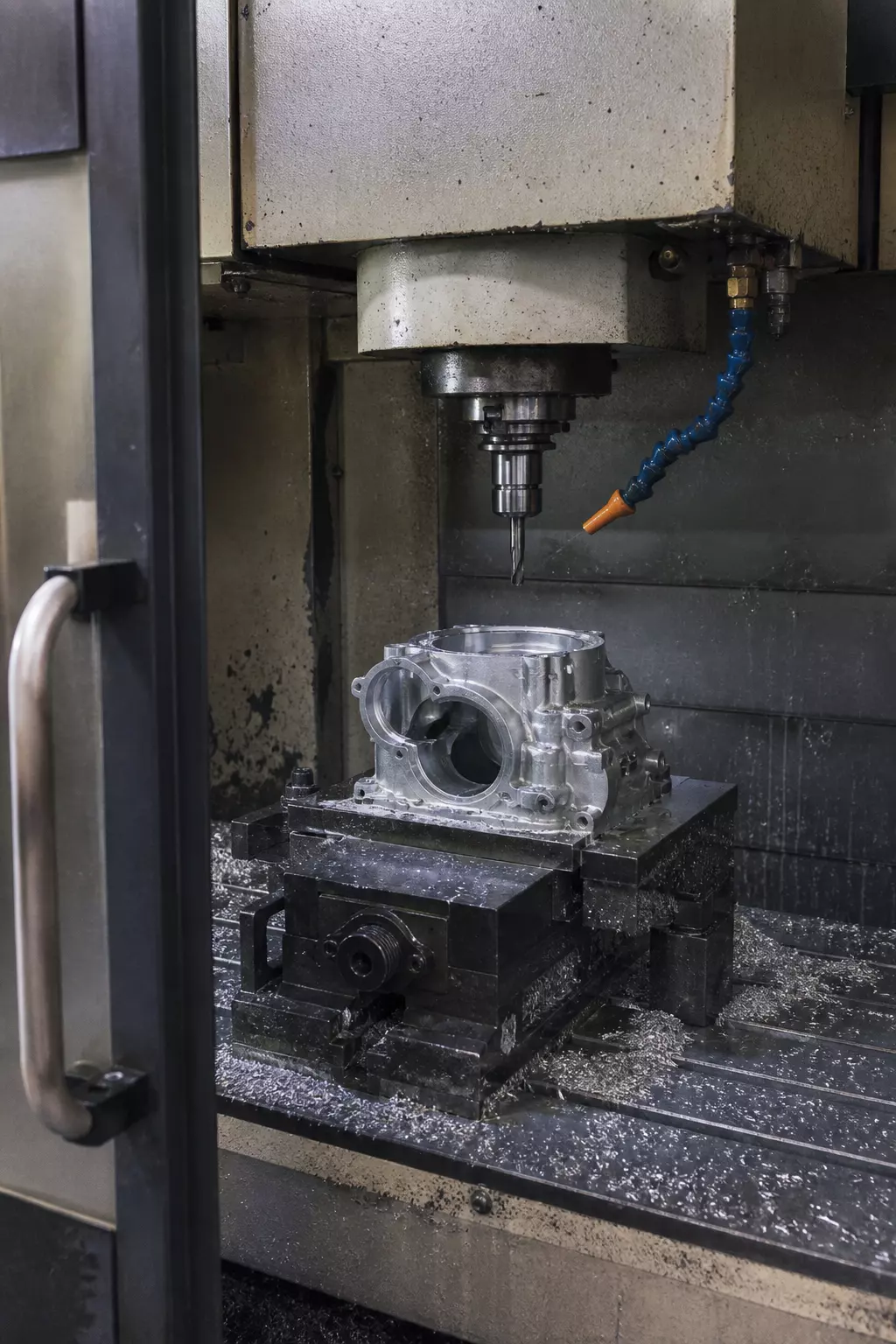
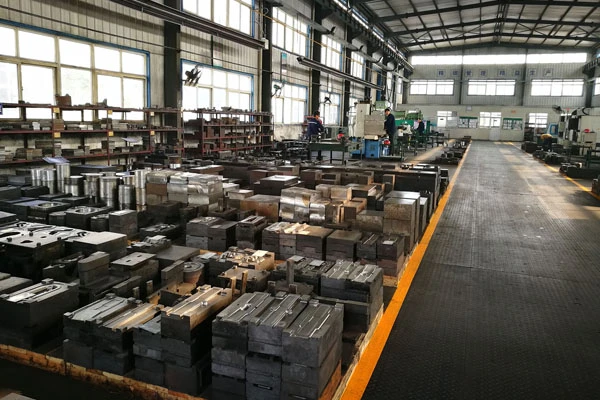
RELIA fertigt Messerklingen, Mähfinger, Häckslermesser und Messerrücken im eigenen Werk. Die Identifikationsschritte dieses Leitfadens bilden die Passungs- und Prüfgrundlage für die freigegebene SKU.
Die Referenzen decken führende Marken wie John Deere, CLAAS, New Holland, Case IH, Massey Ferguson und Fendt ab. Die Kompatibilität wird anhand des genauen Modells, der OEM-Referenz und der Mähbalkengeometrie bestätigt.
Teileidentifikation
Senden Sie die bereits vorhandenen Nachweise.
Übermitteln Sie OEM- oder Gussnummer, Maschinenmodell, Teileposition, wichtige Abmessungen, Fotos, Menge und etwaige Schneidprobleme. RELIA kann ein passendes Lagerteil oder eine kundenspezifische Fertigung prüfen.
Vollständiger Weg
Wählen Sie den nächsten Entscheidungsschritt für Schneidteile an Erntemaschinen
Die folgenden Wege unterteilen Fragen zu Erntemaschinen in Auswahl-, Mess-, Fehlerbehebungs- oder Beschaffungsaufgaben. Öffnen Sie die am genauesten passende Seite, statt die gesamte Bibliothek der Reihe nach zu lesen.