
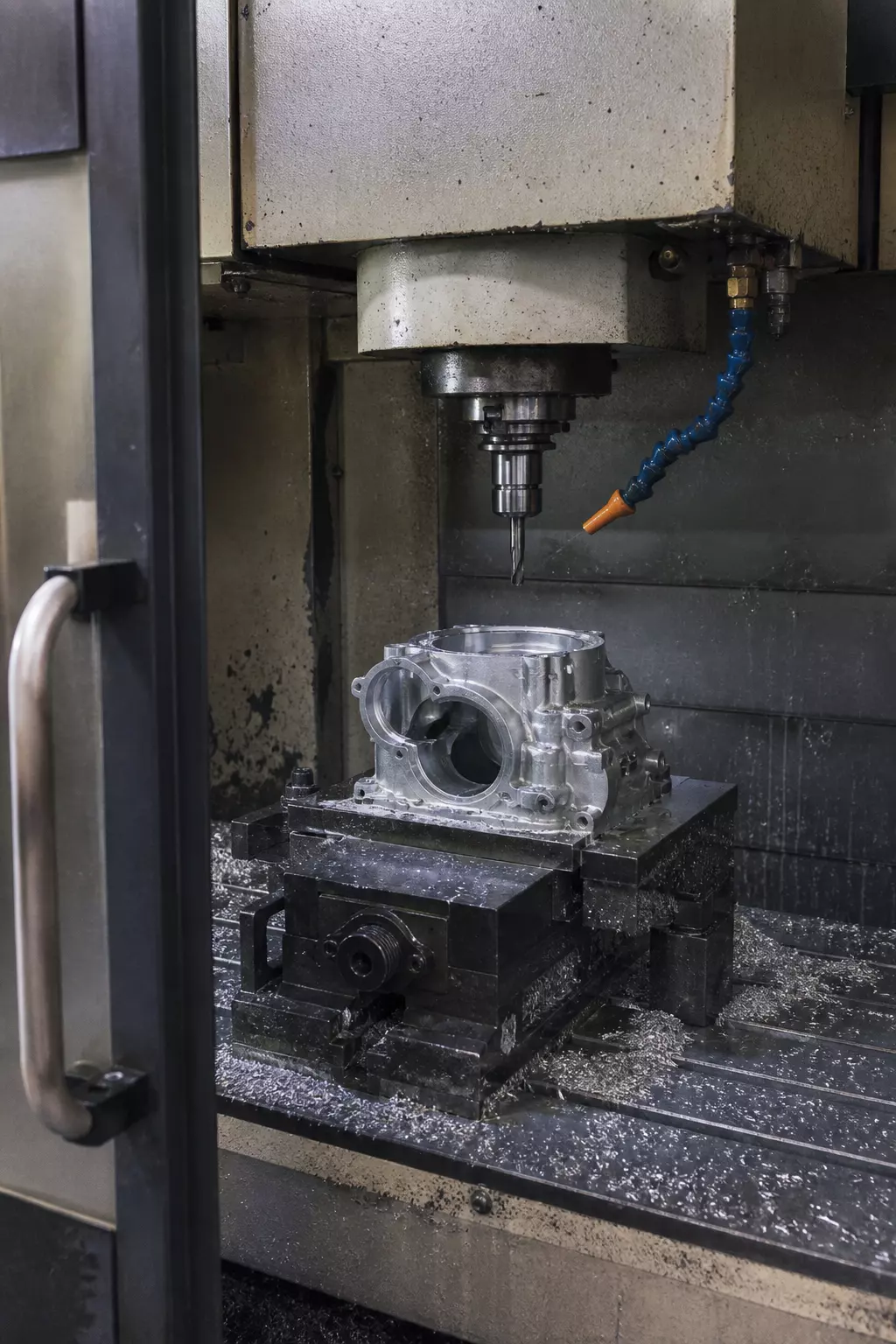
Industrielle Beschaffung
Eine hilfreiche Angebotsanfrage trennt bestätigte Anforderungen von offenen Fragen.
Industriekomponenten werden häufig anhand von Zeichnungen, Mustern, bestehenden Referenzen oder unvollständigen Betriebsinformationen beschafft. Ein kontrollierter Beschaffungsprozess macht diese Angaben transparent, entscheidet zwischen passender Lagerware und kundenspezifischer Fertigung und führt dieselben Annahmen bei Angebot, Bemusterung und Prüfung fort.
Von der Angebotsanfrage zur Wiederholfertigung
Eine durchgängige Anforderungsdokumentation über fünf Phasen hinweg
Anforderungserfassung
Dateien, Referenzen, Projektbedingungen, Menge und Bestimmungsort erfassen.
Technische Klärung
Bestätigte Werte, Widersprüche, Annahmen und fehlende Schnittstellenangaben voneinander trennen.
Angebotsweg
Verfügbare Produkte mit kundenspezifischer Fertigung vergleichen und den Umfang festlegen.
Muster und Freigabe
Revisionsstand, Abnahmemerkmale und gegebenenfalls freigegebene Referenzmuster bestätigen.
Produktion und Lieferung
Die freigegebenen Anforderungen in Prüfung, Verpackung und Versand übernehmen.
Übersicht der Anfrageangaben
Unvollständig bedeutet nicht unbrauchbar
Senden Sie die bereits verfügbaren Informationen. Unbekannte Punkte sollten als offen gekennzeichnet und nicht durch Annahmen ersetzt werden. RELIA kann feststellen, welche Lücken ein Angebot verhindern und welche später geklärt werden können.

Abstimmung kaufmännischer und qualitativer Anforderungen
Das Angebot sollte den enthaltenen Leistungsumfang nennen
Technischer Umfang, Prüfunterlagen, Kennzeichnung, Verpackung und Lieferannahmen beeinflussen Kosten und Ausführung. Sie sollten im Angebot erkennbar sein und nicht erst nach der Produktion zutage treten.
Bei kundenspezifischen Artikeln sollten die freigegebene Zeichnung oder das Muster sowie der vereinbarte Prüfumfang mit dem Auftrag verknüpft bleiben, damit die Wiederholfertigung derselben kontrollierten Referenz folgt.
Qualitätskommunikation
Fordern Sie Nachweise entsprechend dem Auftragsrisiko an
Spezifikationsdokumentation
Die gelenkte Zeichnung, die Norm, die Musterreferenz und schriftliche Klarstellungen definieren den Beschaffungsgegenstand.
Prüfnachweise
Werkstoffunterlagen, Maßprüfergebnisse, Prozessaufzeichnungen oder Prüfungen sollten den vereinbarten kritischen Anforderungen entsprechen.
Versandbestätigung
Menge, Identifikation, Verpackung, Dokumente und Anforderungen am Bestimmungsort werden vor der Freigabe geprüft.
ISO 9001 und ISO 14001 beziehen sich auf Managementsysteme; sie sind keine Produktzertifizierungen. Relevante Unternehmensunterlagen können bei RELIA angefordert und hinsichtlich der für das Beschaffungsprojekt erforderlichen juristischen Person, des Geltungsbereichs und der aktuellen Gültigkeit geprüft werden.
Fragen von Einkäufern
Fragen, die Einkäufer vor einer Angebotsanfrage stellen
Kann RELIA bei fehlenden technischen Daten ein Angebot erstellen?
Oft ja, abhängig davon, welche Daten fehlen. Senden Sie bestätigte Informationen und kennzeichnen Sie offene Punkte. RELIA kann feststellen, was für einen zuverlässigen Abgleich mit Lagerware oder ein kundenspezifisches Angebot benötigt wird.
Wann ist ein Muster erforderlich?
Ein Muster kann zur Identifikation, Messung oder Freigabe hilfreich sein, wenn Zeichnungen fehlen oder das vorhandene Teil als praktische Referenz dient. Verschleiß und Zustand müssen berücksichtigt werden.
Welche Prüfunterlagen sollten angefordert werden?
Fordern Sie Dokumente an, die dem tatsächlichen Risiko und den vertraglichen Anforderungen entsprechen. Der geeignete Umfang kann Aufzeichnungen zu Werkstoff, Abmessungen, Verfahren, Leistung, Aussehen, Menge oder Verpackung umfassen.
Sind ISO 9001 und ISO 14001 Produktzertifikate?
Nein. Es sind Managementsystemnormen. Die Produktkonformität muss anhand der geltenden Produktspezifikation, Zeichnung, Prüf- und Auftragsanforderungen beurteilt werden.
Werkskontext für diesen technischen Leitfaden
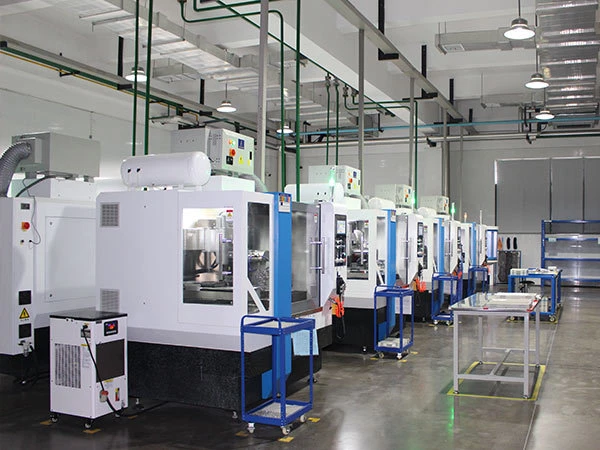
Die Angebotsanfrage lässt sich vor der Angebotserstellung mit dem tatsächlichen Werksumfang abgleichen
Qingdao Relia Industries Co., Ltd., gegründet 2006, übernimmt die Anfragebearbeitung, technische Prüfung und kaufmännische Rückmeldung. RELIA betreibt seinen rund 600,000 m² großen Produktionsstandort in Qingdao direkt.
Die Angebotsanfrage sollte für jede Position die geltende Zeichnung, das Verfahren und die Prüfanforderungen benennen. Anschließend halten wir offene Annahmen vor der Muster-, Angebots- und Produktionsfreigabe transparent.
Vorbereitung der Angebotsanfrage
Senden Sie die Projektdateien, die Ihnen bereits vorliegen.
RELIA ordnet bestätigte Daten und offene Fragen, vergleicht Lagerware mit kundenspezifischer Fertigung und klärt die benötigten Informationen vor der Angebots-, Bemusterungs- oder Produktionsprüfung.
Vollständiger Ablauf
Wählen Sie die nächste Entscheidung bei Komponentenbeschaffung und Anfragevorbereitung
Die folgenden Wege unterteilen Qualitätsfragen in Auswahl-, Mess-, Fehleranalyse- oder Beschaffungsaufgaben. Öffnen Sie die am engsten passende hilfreiche Seite, statt die gesamte Bibliothek der Reihe nach zu lesen.