

Equal and Reducing Tees for Project Pipework
Your tee purchase starts with three connections, not one size on a label. We review the two run ends and the branch as one defined configuration. With material, geometry and inspection requirements recorded together, your project team can compare the offer against the spool it needs to build.
Manufacturing enquiries with our team in ChinaSend your project details
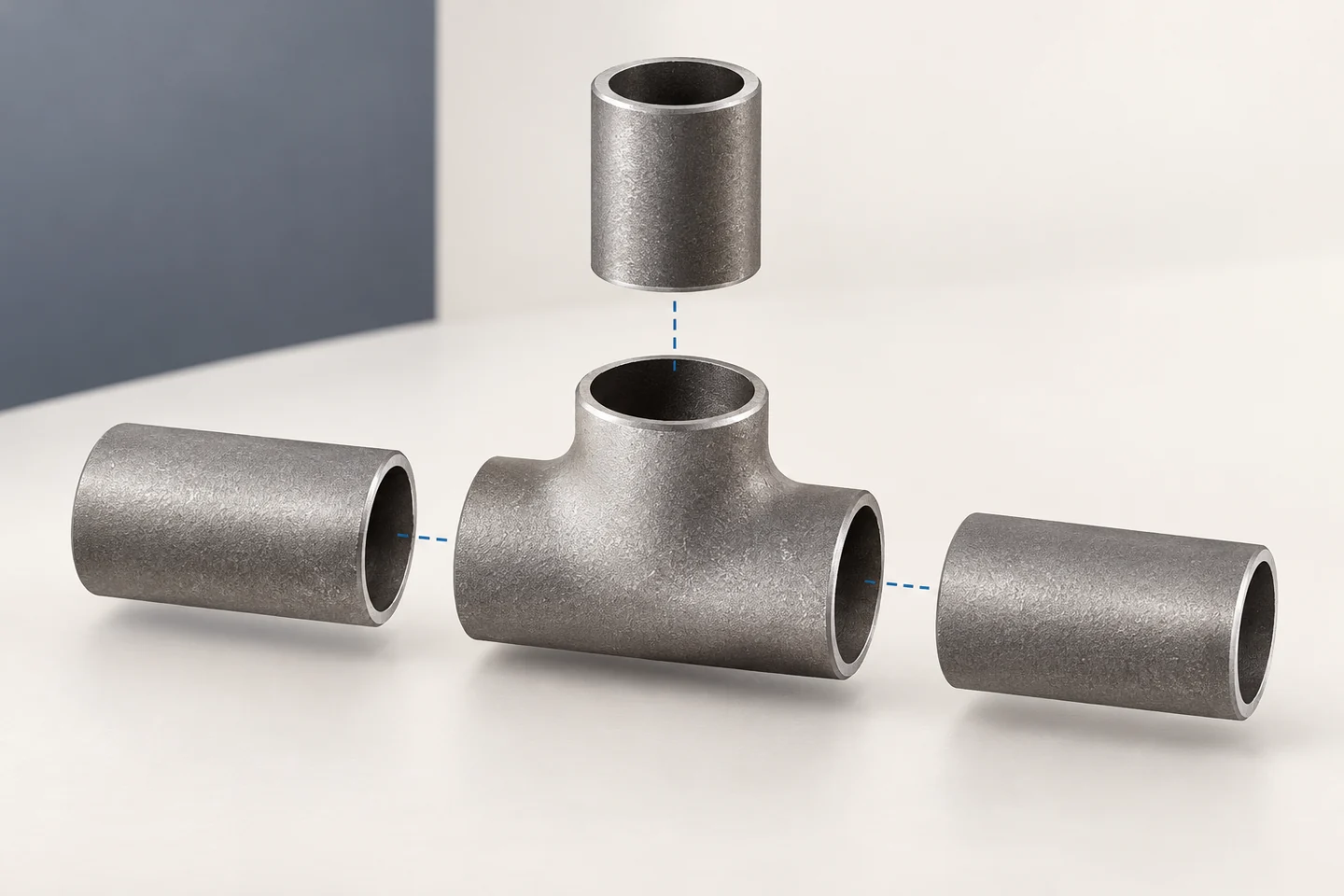
Three ports with clear identities
Name both run ends and the branch on the drawing. Then give each its diameter, wall and joining requirement. We keep that port map in the review, making an equal or reducing configuration easier to quote, inspect and identify when it reaches your workshop.
- Run end oneDimensions and end detail
- Run end twoDimensions and end detail
- BranchDimensions and orientation
The branch follows the approved layout
A branch diameter is only part of the fitting definition. Centre-to-end dimensions, direction and available fabrication space matter to the finished spool. We work from your approved layout and keep geometry changes visible for review before the purchase configuration is released.
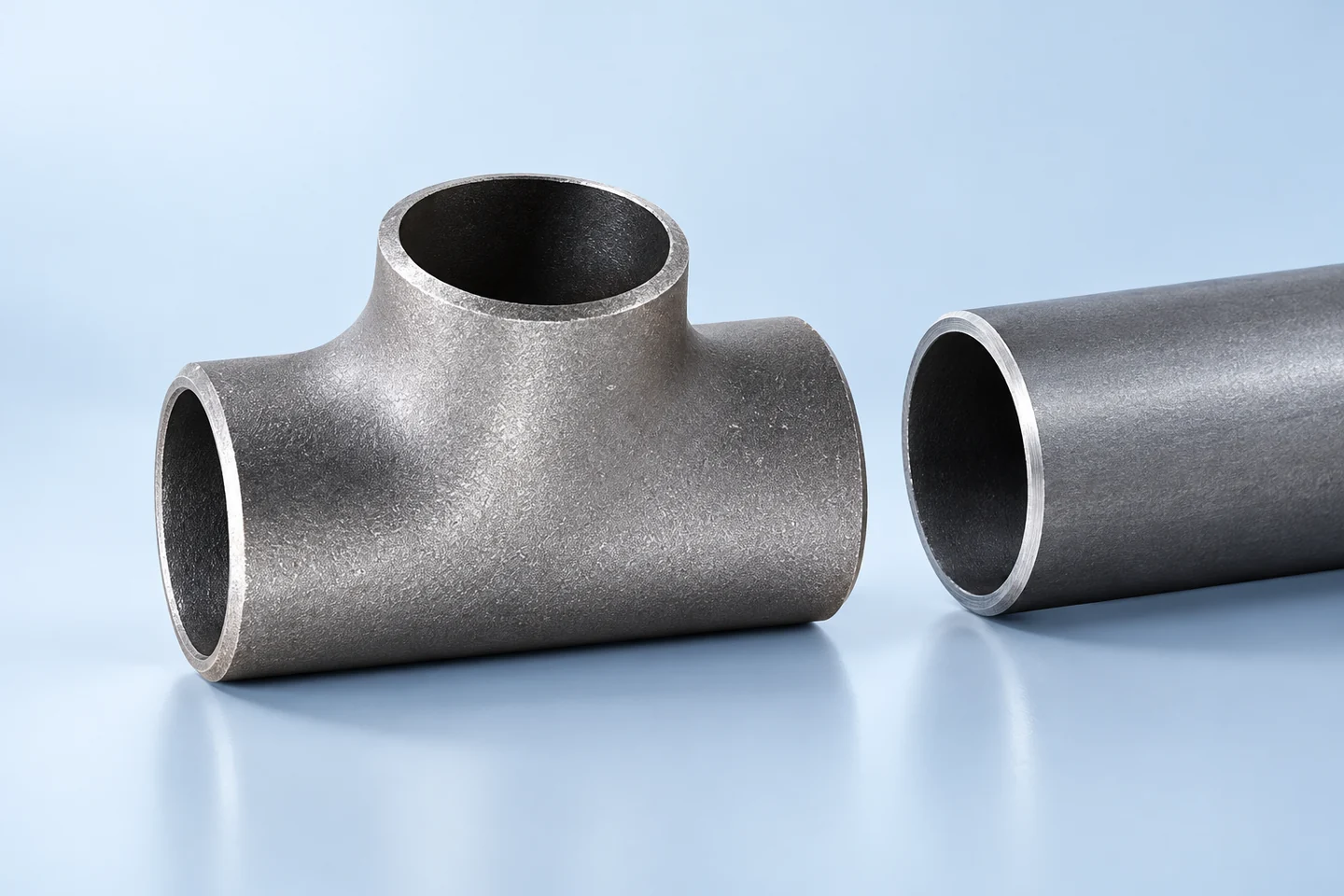
Equal and reducing configurations stay distinct
An equal tee and a reducing tee should have their own complete designation. We retain the required run and branch combination with the material and end details. A mixed catalogue label is resolved during clarification instead of becoming permission to supply either shape.
Catalogue reference. The approved specification defines the supplied configuration.A clear material and manufacturing requirement
Your material specification and required body route describe different aspects of the order. We review both against the quoted tee configuration. Any alternative material, manufacturing route or delivery condition is identified as a proposal that needs your approval.
- MaterialSpecified grade and standard
- RouteRequired body manufacture
- ApprovalDepartures reviewed explicitly
The geometry your fabricator can verify
The useful inspection result refers to the same three-port drawing used for the order. We agree the critical end dimensions, wall requirements and branch geometry. That gives your receiving team a consistent acceptance basis even when the shipment contains several similar tee configurations.
Evidence linked to each purchase line
Keep the material identity and dimensional record connected to the supplied item. We agree the inspection method, acceptance reference and coverage required by your project. General application wording does not replace evidence for the actual tee size and material being purchased.
- IdentityMaterial and batch
- ResultConfiguration-specific checks
- BasisApproved acceptance reference
- CoverageAgreed inspection scope
Design inputs retained through procurement
You retain the approved piping design, support and joining requirements. We clarify the supply configuration and identify open points in the offer. Together, we close the item definition before release, keeping the branch fitting purchase aligned with the wider spool design.
- YouProvide the approved branch layout
- WeDefine the quoted tee configuration
- TogetherClose technical exceptions
Mixed tee orders without port confusion
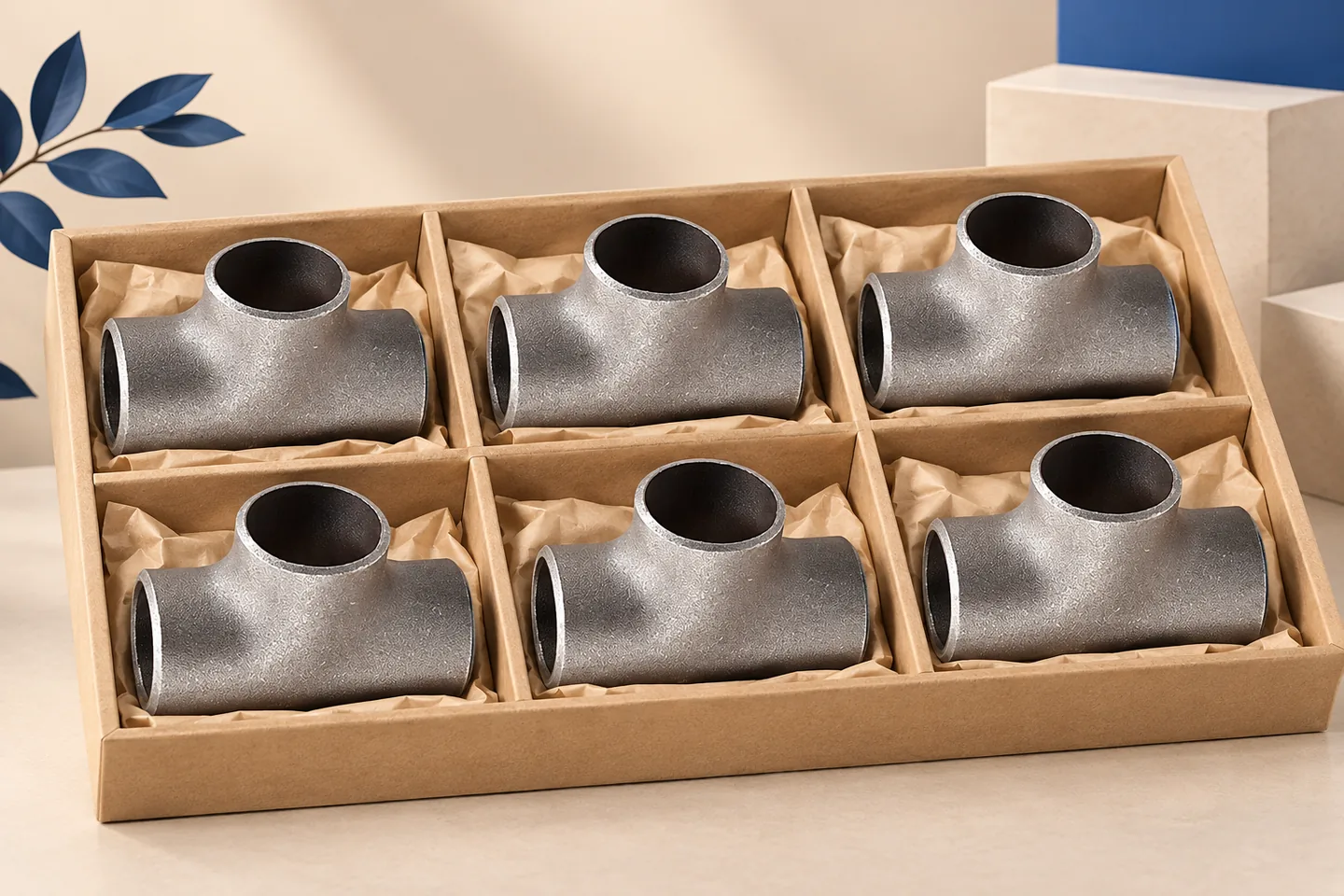
Different branch combinations can be difficult to distinguish after packing. We agree an identification and delivery scope that keeps the complete item reference with the goods. Repeat orders return to the same accepted port definition, with proposed changes reviewed before substitution.
A clear start for your quotation
Send the diameter and wall requirement for both run ends and the branch, centre-to-end dimensions, orientation, material specification and end preparation. Add the drawing revision, quantities and inspection requirements so we can review each tee purchase line.
Send your project details- SendDrawing, item list and requirements
- ReviewConfiguration, open points and records
- AgreeTechnical scope and commercial basis
