
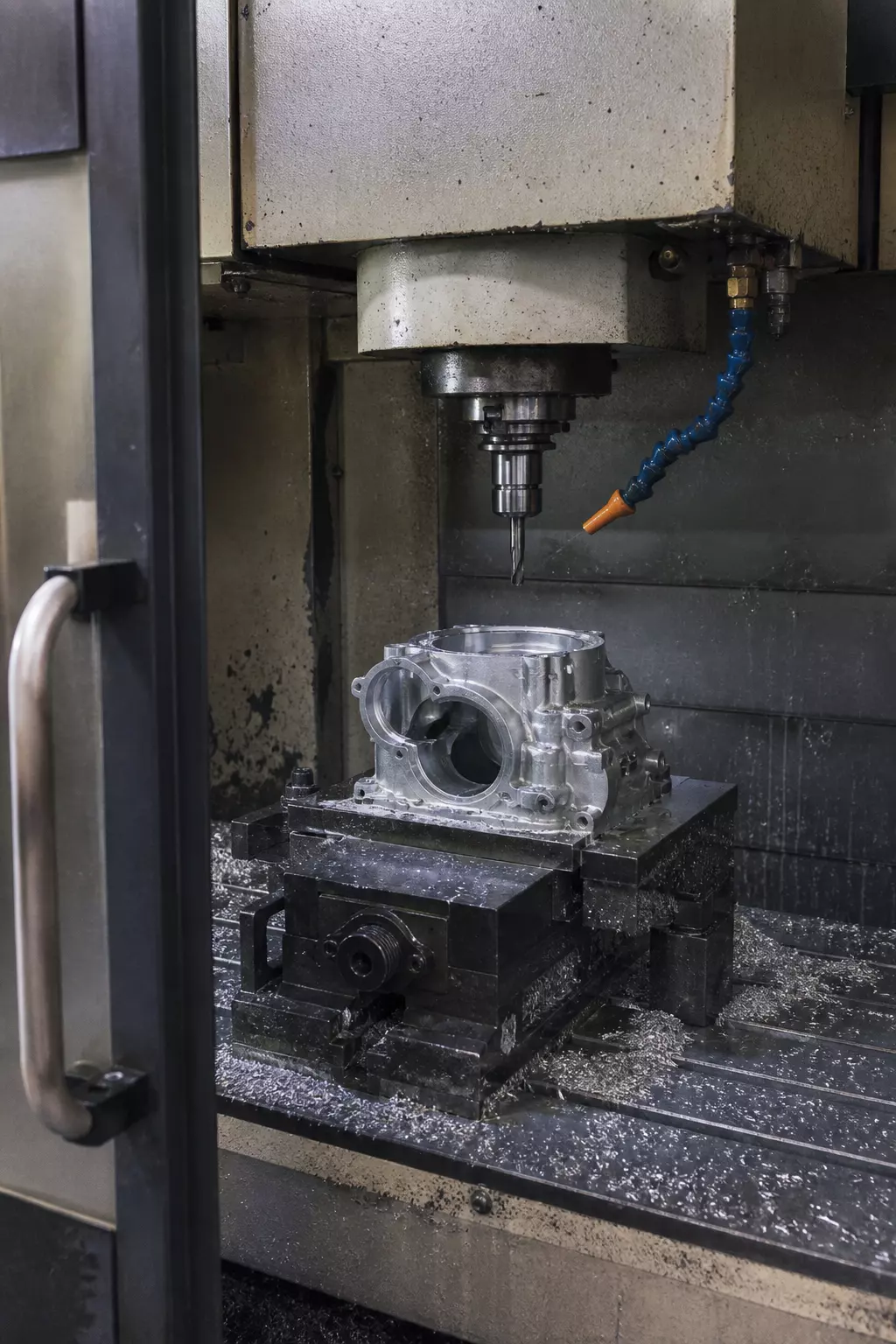
عناصر التثبيت الصناعية
حدّد الوصلة قبل اختيار عنصر التثبيت.
عنصر التثبيت جزء من مسار انتقال الحمل. يبدأ الاختيار بتحديد ما يجب على الوصلة إحكامه أو تحديد موضعه أو احتجازه أو إتاحة دورانه أو إرساؤه، ثم ينتقل إلى متطلبات الأحمال والبيئة والقلاوظ والتجميع والتصنيع.
قمع الاختيار
أربعة قرارات تحصر مسار التصنيع
ينبغي ألا يُختار النوع والمادة والتشطيب بصورة مستقلة. يؤثر كل قرار في القرار التالي: تؤثر الأحمال في المادة والفئة، وتؤثر البيئة في المادة والطلاء، ويؤثر القلاوظ والتجميع في التفاوتات وسماحات التشطيب والفحص.
دور الوصلة
الإحكام أو تحديد الموضع أو الاحتجاز أو إتاحة الدوران أو الإرساء أو توفير حركة مضبوطة.
متطلبات الخدمة
الشد والقص والكلال والصدمات والاهتزاز وسلوك التحميل المسبق.
ظروف التعرض
درجة الحرارة والرطوبة والمواد الكيميائية والتآكل ومواد الأجزاء المتزاوجة.
مسار الإنتاج
مطابقة الأصناف المتوفرة بالمخزون والتشكيل على البارد والطرق والتشغيل الميكانيكي وتصنيع القلاوظ والتشطيب.
أدوار عناصر التثبيت
اختر الفئة حسب الوظيفة
قد يخفي الشكل المألوف اختلافات مهمة في نقل الحمل وإمكانية الوصول أثناء التجميع والفك والمحاذاة والقفل. ابدأ بالمهمة، ثم أكّد الشكل الهندسي والمعيار.

مسار التصنيع
الشكل الهندسي والكمية وحالة المادة تحدد العملية
يمكن للتشكيل على البارد دعم إنتاج متكرر بكفاءة للأشكال والكميات المناسبة. ويمكن للتشغيل الميكانيكي تلبية متطلبات السمات المضبوطة أو الكميات الأقل أو الأشكال غير الملائمة للتشكيل. وقد يُجمع بين الطرق والعمليات الثانوية عندما يتطلب ذلك المقطع أو اتجاه الألياف الداعم للمقاومة أو السمات المعقدة.
يُؤكَّد المسار الصحيح بالاستناد إلى الرسم والعينة والمادة والتفاوتات والتشطيب ونطاق الفحص وكمية الطلب، وليس إلى اسم المنتج وحده.
اكتمال طلب عرض السعر
سجّل ما تم تأكيده وما لا يزال مفتوحًا
دور الوصلة والأجزاء المتزاوجة وإمكانية الوصول للتركيب وطريقة الشد أو القفل وتوقعات إعادة الاستخدام.
مدخلات المشروعالرأس والساق والطول والقطر ونظام القلاوظ والخطوة والفئة/التفاوت والاتجاه والسمات الخاصة.
رسم أو عينةفئة المادة ودرجة المقاومة أو الخواص والمعالجة الحرارية ونطاق الصلادة عند تحديده ونمط الحمل الحرج.
بانتظار التأكيدالطلاء/التشطيب والتعرض للتآكل وسماحات القلاوظ والمظهر والاختبارات والشهادات والتعبئة وإمكانية التتبع.
متطلبات الطلبمطابقة الأصناف المتوفرة بالمخزون
مناسبة عندما يطابق معيار معترف به أو صنف حالي من RELIA متطلبات الوظيفة والأبعاد والقلاوظ والمادة/الفئة والتشطيب والكمية.
- قدّم التسمية الكاملة إن كانت معروفة
- تأكد من أن الوصف المتشابه لا يخفي اختلافات
- حدّد أي وثائق مطلوبة
التصنيع حسب الطلب
مناسب عندما يتطلب الشكل الهندسي أو المادة أو التفاوتات أو الأداء أو الهوية التجارية أو التعبئة أو برنامج الطلبات مواصفة مشروع مضبوطة.
- استخدم رسمًا أو عينة أو قائمة متطلبات مضبوطة
- افصل السمات الحرجة عن المعلومات المرجعية
- اتفق على العينة ونطاق الفحص قبل الإنتاج المتكرر
أسئلة المشترين
أسئلة يجب حسمها قبل عرض السعر
هل يكفي اسم المادة لتحديد مقاومة عنصر التثبيت؟
لا. تعمل المادة وفئة الخواص أو المقاومة والمعالجة الحرارية والصلادة ومسار التصنيع والمعيار المعمول به معًا. حدّد التسمية المطلوبة أو أساس الأداء متى كان معروفًا.
هل يمكن أن تؤثر سماكة الطلاء في ملاءمة القلاوظ؟
نعم. يضيف التشطيب مادة إلى أسطح القلاوظ وقد يغيّر الملاءمة ونتائج الفحص بالمقاييس وسلوك التجميع. ينبغي تحديد الحالة النهائية المطلوبة وطريقة الفحص.
هل يمكن لـ RELIA تقديم عرض سعر من عينة دون رسم؟
يمكن أن تبدأ العينة عملية التعرف أو مراجعة التصنيع المخصص. ومع ذلك، يجب تسجيل الأبعاد الحرجة والشكل الهندسي الأصلي مقارنةً بالمتآكل والمادة والأداء والتشطيب ومتطلبات القبول قبل السماح بالإنتاج.
متى ينبغي التفكير في عنصر تثبيت مخصص؟
فكّر في التصنيع حسب الطلب عندما لا يلبّي الصنف القياسي متطلبات الشكل الهندسي أو المادة أو التفاوت أو السطح أو الأداء أو التعريف أو التعبئة أو برنامج الطلبات.
السياق المصنعي لهذا الدليل التقني
متطلبات الوصلة ترتبط بمسار محدد لتصنيع عناصر التثبيت
تصنّع RELIA المسامير الملولبة والبراغي والصواميل والوردات والبرشام المصمت في مصنعها الخاص. ويصبح تعريف الوصلة في هذا الدليل أساسًا لضبط المادة والقلاوظ والتشطيب والفحص.
يُختار التشكيل على البارد والتشغيل الميكانيكي والطرق والعمليات الثانوية وفق الشكل الهندسي والكمية المعتمدين. ويظل الرسم أو SKU مرجع الإنتاج والاستلام.
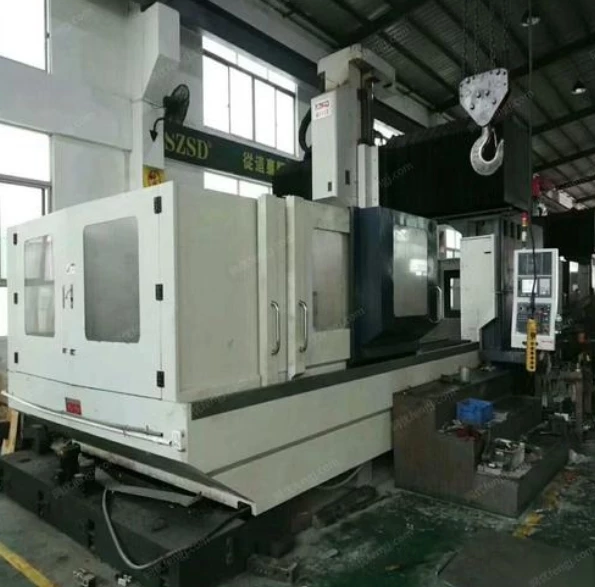
مراجعة المصنع
هل لديك رسم أو عينة أو قائمة متطلبات لعناصر التثبيت؟
أرسل وظيفة الوصلة والأبعاد والقلاوظ والمادة أو الفئة والتشطيب والكمية والملفات المرجعية المتاحة. يمكن لـ RELIA مقارنة مطابقة الأصناف المتوفرة بالمخزون بالإنتاج المخصص وتحديد النقاط المتبقية للتأكيد.
المسار الكامل
اختر القرار التالي المتعلق بعناصر التثبيت
تقسم المسارات أدناه أسئلة عناصر التثبيت إلى مهام اختيار أو قياس أو استكشاف أعطال أو توريد. افتح الصفحة الأكثر تحديدًا وفائدة بدلًا من قراءة المكتبة بأكملها بالتسلسل.