
خطوط الأنابيب
مهايئات الفلنجات والقارنات ووصلات الفك والتركيب
طابق فئة الوصلات مع واجهة الأنبوب الفعلية ومتطلبات التقييد ووظيفة التركيب.
خريطة القرار
قارن الوظائف قبل مقارنة خيارات مهايئات الفلنجات والقارنات ووصلات الفك والتركيب
ابدأ بـ «القطر الخارجي الفعلي للأنبوب ونطاق التفاوت» واربط بقية الشروط بالمتطلب نفسه.
| القرار | سبب تأثيره في المراجعة | بيانات مفيدة من المشتري |
|---|---|---|
| القطر الخارجي الفعلي للأنبوب ونطاق التفاوت | قِس انطلاقًا من أسطح مرجعية ثابتة، واذكر الوحدات واتجاه المرجع وحالة العينة. إذا كانت العينة متآكلة أو مشوهة، فحدد الأسطح التي ما زالت موثوقة والأبعاد التي تحتاج إلى مرجع غير متآكل أو تأكيد هندسي. | القطر الخارجي للأنبوب في عدة مواضع |
| مادة الأنبوب وحالة السطح | حدد الأداء المطلوب أولًا، ثم وائم درجة المادة ومسار التصنيع والمعالجة الحرارية وطريقة قياس الصلادة وموضع الفحص. فالدرجة الأعلى أو السطح الأكثر صلادة ليسا أفضل تلقائيًا عندما تتحكم المتانة والكلال ونمط التآكل وقابلية التصنيع أيضًا في الأداء أثناء الخدمة. | مادة الأنبوب |
| معيار الفلنجة وتسمية الضغط | بالنسبة إلى مهايئات الفلنجات والقارنات ووصلات الفك والتركيب، سجّل التشغيل العادي بصورة منفصلة عن حدود التصميم وبدء التشغيل والإيقاف وارتفاعات الضغط المفاجئة والتفريغ أو حالات الضغط العكسي. لا يصف بيان الضغط وحده ظروف الخدمة كاملة، ولا يثبت أن تصميمًا واحدًا يناسب جميع درجات الحرارة والموائع. | نمط ثقوب الفلنجة وتصنيفها |
| التقييد المحوري مقابل التركيب دون تقييد | وضّح ترتيب التركيب والدعامات ووسائل التقييد والخلوصات والمرافق المجاورة. فقد يعجز مكوّن مختار بصورة صحيحة عن أداء وظيفته إذا نقل التركيب حملًا غير مقصود أو منع الحركة التي صُمم لاستيعابها. | التقييد المطلوب |
| ضبط التركيب ليس حركة تشغيلية | ميّز بين الاتجاه والمقدار والتكرار والحركات المتزامنة. وضّح الوضع المحايد بعد التركيب ووسائل التقييد، حتى لا يختلط مشوار التشغيل بضبط التركيب أو سوء المحاذاة القسري أو حركة تجميع عارضة. | نمط ثقوب الفلنجة وتصنيفها |
أسئلة المشترين
أسئلة مقارنة عملية حول مهايئات الفلنجات والقارنات ووصلات الفك والتركيب
تساعد هذه الإجابات في إعداد متطلبات مهايئات الفلنجات والقارنات ووصلات الفك والتركيب ومقارنتها. وتظل التصنيفات والأبعاد والقبول النهائي مرتبطة ببيانات المشروع الفعلية المقدمة للمراجعة.
ما الفرق بين مهايئ الفلنجة والقارنة ووصلة الفك والتركيب؟
يحوّل مهايئ الفلنجة طرف الأنبوب الأملس إلى اتصال بفلنجة، وتربط القارنة طرفي أنبوبين أملسين، بينما تتيح وصلة الفك والتركيب ضبطًا محوريًا متحكمًا به لتسهيل التركيب أو الإزالة. ويظل التقييد ونطاق القطر الخارجي وتسمية الضغط وواجهات التزاوج بحاجة إلى تأكيد مستقل. للمراجعة التالية، أرفق أو اذكر نمط ثقوب الفلنجة وتصنيفها.
متى تكون القارنة واسعة النطاق مفيدة؟
تكون القارنة واسعة النطاق مفيدة عندما يقع القطر الخارجي المقاس ضمن نطاق إحكام وتثبيت متحقق منه، وتكون مادة الأنبوب وسطحه مناسبين. ولا يجوز أن يحل النطاق المنشور محل قياسات القطر الخارجي الفعلية في عدة مواضع. للمراجعة التالية، أرفق أو اذكر مادة الأنبوب.
أي قطر خارجي للأنبوب يجب قياسه قبل طلب القارنة؟
قِس القطر الخارجي الفعلي في عدة مواضع حول منطقة الإحكام المقصودة وعلى امتدادها. سجّل الطلاء والبيضاوية والتآكل وخطوط الوصل وتلف السطح، لأن المقاس الاسمي للأنبوب قد لا يمثل السطح الذي يجب أن تُحكم الحشية عليه. للمراجعة التالية، أرفق أو اذكر القطر الخارجي للأنبوب في عدة مواضع.
حزمة المتطلبات
صِف التركيب والحركة اللذين يحددان الاختيار
بالنسبة إلى مهايئات الفلنجات والقارنات ووصلات الفك والتركيب، أرسل قيمًا مؤكدة مع وحداتها ومصدرها. ضع علامة «بحاجة إلى تأكيد» على المعلومة غير المعروفة بدلًا من تحويلها إلى متطلب إنتاج قائم على التخمين.
يمكن بدء المراجعة بالقطر الخارجي للأنبوب في عدة مواضع ومادة الأنبوب ونمط ثقوب الفلنجة وتصنيفها. ويمكن لـ RELIA بعد ذلك فصل المعلومات المناسبة للمطابقة مع مجموعة المنتجات عن القرارات التي تتطلب إنتاجًا مخصصًا أو تأكيدًا فنيًا إضافيًا.
تسلسل المراجعة
استخدم الوظيفة والواجهة وظروف الخدمة لتضييق البدائل
يتيح هذا التسلسل مناقشة مبكرة لمهايئات الفلنجات والقارنات ووصلات الفك والتركيب دون إخفاء المعلومات الناقصة. كما يُبقي البيانات المؤكدة وافتراضات عرض السعر والقرارات المتبقية واضحة للمشتري والمورد.
تحديد المهمة
اذكر ما يجب أن تحققه مهايئات الفلنجات والقارنات ووصلات الفك والتركيب قبل تسمية خيار بعينه.
مقارنة الواجهات
راجع القطر الخارجي للأنبوب في عدة مواضع ومادته ونمط ثقوب الفلنجة وتصنيفها وفق التركيب الفعلي، لا التشابه البصري.
اختبار المفاضلات
بالنسبة إلى مهايئات الفلنجات والقارنات ووصلات الفك والتركيب، قارن المرونة والتقييد والصيانة والمادة واحتياجات التحقق وفق افتراضات التشغيل نفسها.
توثيق المسار المختار
سجّل التصور المختار والقيم المتبقية التي يجب تأكيدها قبل الإجازة.
حدود القرار
النقطة التي يجب عندها تحويل المقارنة العامة إلى مراجعة للمشروع
توفر صفحة مهايئات الفلنجات والقارنات ووصلات الفك والتركيب هذه نقطة انطلاق منهجية، ولا تحل محل الجهة المسؤولة عن التصميم لدى المشتري أو الكود المعمول به أو الموافقة النهائية للمشروع.
استخدم هذا الدليل لإعداد مراجعة القارنات والمهايئات
- تنظيم القطر الخارجي المعروف للأنبوب في عدة مواضع ومادة الأنبوب
- مقارنة المقترحات باستخدام الافتراضات نفسها
- تحديد الأبعاد أو ظروف الخدمة أو السجلات التي ما زالت ناقصة
- الاختيار بين مراجعة مجموعة المنتجات ومراجعة الإنتاج المخصص
تظل الموافقة النهائية على القارنات والمهايئات خاضعة لمواصفات المشروع
- المقاس أو المادة أو التصنيف أو العملية أو التكوين النهائي
- التوافق مع بيئة التشغيل والتركيب كاملة
- الكود المعمول به وموافقة المستخدم النهائي أو الجهة المسؤولة عن التصميم
- أخذ العينات والاختبارات والوثائق والتغليف وشروط التسليم الخاصة بالطلب
سياق المصنع لهذا الدليل الفني
تتكامل واجهتا الأنبوب والفلنجة في اتصال واحد متحكم به
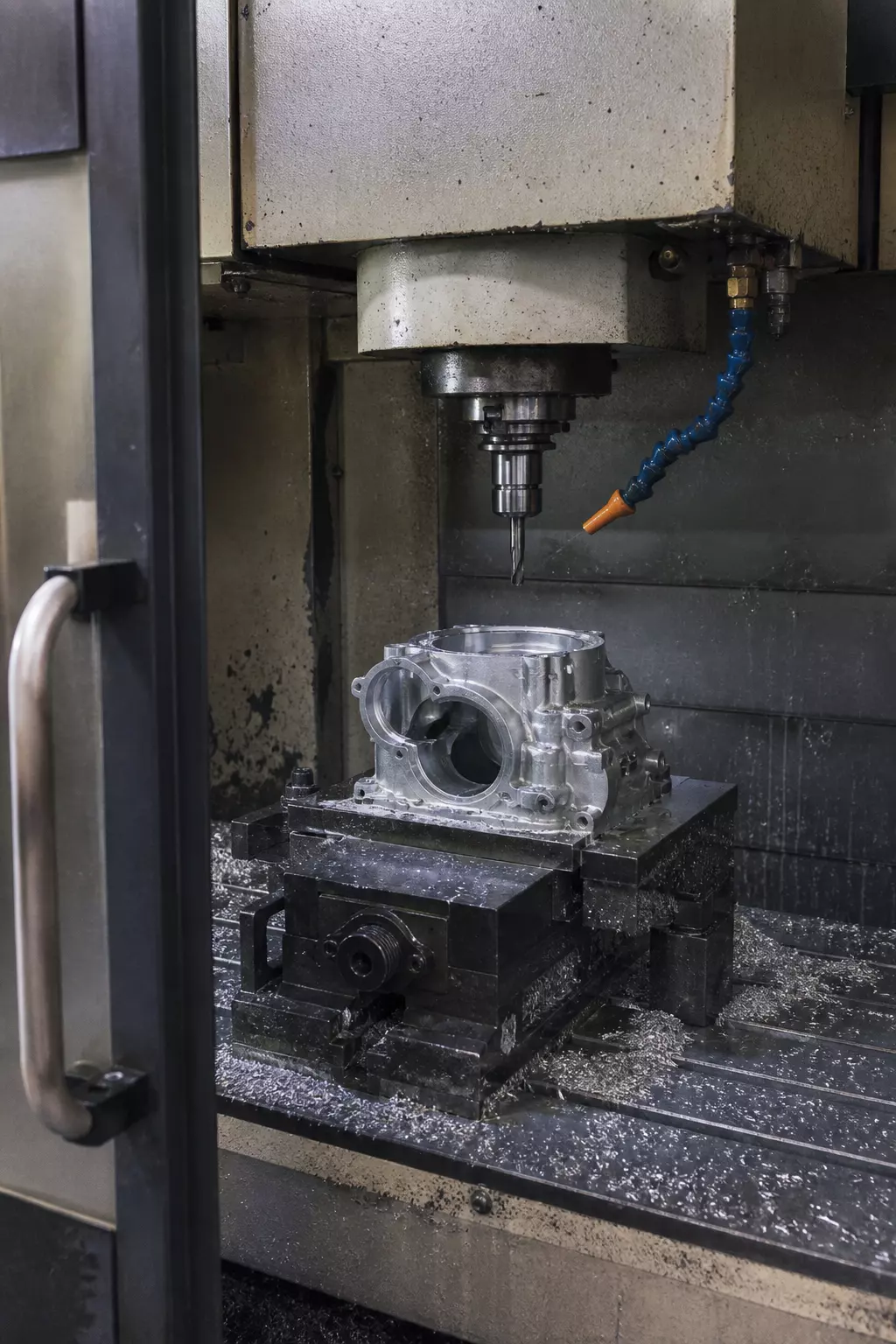
تصنع RELIA القارنات ومهايئات الفلنجات ووصلات الفك والتركيب ووصلات الأنابيب ذات الصلة في مصنعها الخاص. ويبدأ الاختيار بالقطر الخارجي الفعلي للأنبوب وحالة الفلنجة أو الطرف المقابل.
يُبقي سجل الاتصال المعتمد كلتا الواجهتين واضحتين، بحيث لا يخفي المقاس الاسمي عدم تطابق القطر الخارجي أو نمط الثقوب. وتُؤكد ملاءمة الضغط ومتطلبات الاختبار للتكوين المحدد.
مراجعة خاصة بالمشروع
أرسل المعلومات المتاحة عن مهايئات الفلنجات والقارنات ووصلات الفك والتركيب.
يمكن لـ RELIA تنظيم القطر الخارجي للأنبوب في عدة مواضع ومادة الأنبوب، وإعادة قائمة بالنقاط المفتوحة، ومراجعة ما إذا كان ينبغي متابعة الطلب من خلال مجموعة منتجات متاحة أو إنتاج مخصص.
عند الاستفسار عن مهايئات الفلنجات والقارنات ووصلات الفك والتركيب، يمكن مناقشة وثائق ISO 9001 وISO 14001 وغيرها من وثائق تأهيل المورد ذات الصلة وتوفير نسخ سارية عند الطلب. ولا تحل سجلات أنظمة الإدارة هذه محل قبول المنتج الخاص بالطلب.