
مرجع هندسي
حوّل المعلومات الفنية إلى مواصفة يستطيع فريق آخر تطبيقها بصورة متكررة ومتسقة.
ترتبط المعايير والرسومات والأبعاد والتفاوتات وسجلات الفحص بعضها ببعض. وقد يؤدي الرقم الذي يفتقر إلى وحدته أو مرجعه أو مراجعته أو طريقة قبوله إلى مزيد من الغموض بدلاً من الوضوح.
مسار المراجع
اختر الوثيقة التي تحكم القرار التالي
المعلومات الخاضعة للضبط
أربعة تفاصيل تمنع سوء الفهم الشائع للرسومات
لا يحتاج كل بُعد إلى التفاوت نفسه أو جهد الفحص نفسه. ركّز الضبط على واجهات التوصيل والعناصر الحاملة للأحمال وأسطح الإحكام والسنون اللولبية والمحاذاة وغيرها من الخصائص التي تؤثر في الوظيفة.

استراتيجية القياس
التفاوت الأضيق لا يعني تلقائياً مواصفة أفضل
ينبغي أن تعكس التفاوتات الوظيفة وقدرة التصنيع وطريقة القياس والتكلفة. وقد تزيد الحدود الضيقة دون داعٍ عبء العمليات والفحص من دون تحسين التجميع.
إذا لم تذكر صفحة الكتالوج تفاوتاً خاصاً بالمشروع، فإن البُعد يظل مهماً. وينبغي مناقشته وتأكيده بالاستناد إلى الرسم أو المكوّن المتزاوج أو العينة أو متطلبات الأداء.
أدلة الفحص
اجعل السجل متناسباً مع المخاطر
المادة والدفعة
سجّل تسمية المادة المتفق عليها والوثيقة المصدر ومستوى التتبع المطلوب.
نتائج قياس الأبعاد
حدّد العناصر المقاسة والطريقة وأخذ العينات وحدود القبول.
المتطلبات الخاصة
اربط المعالجة الحرارية أو التشطيب أو العمليات الأخرى الخاضعة للضبط بالأدلة المطلوبة.
القبول النهائي
أكّد المظهر والكمية والتعبئة والوسم والوثائق قبل الشحن.
أسئلة المشترين
المسائل التي تستند إليها المواصفة الخاضعة للضبط
ما الأبعاد التي ينبغي اعتبارها حرجة؟
الأبعاد الحرجة هي التي تؤثر مباشرة في التوافق أو الإحكام أو نقل الأحمال أو المحاذاة أو الحركة أو السلامة أو قابلية التبادل. وينبغي الاتفاق عليها مع مراعاة التجميع وطريقة الفحص.
هل ينبغي تطبيق الأبعاد قبل الطلاء أم بعده؟
ينبغي أن يوضّح الرسم أو المواصفة ذلك عندما يمكن أن يؤثر الطلاء في التوافق أو السن اللولبي أو السُمك أو حالة السطح. ويجب أن يُجرى الفحص في الحالة نفسها المتفق عليها.
هل يمكن أن تساعد RELIA عندما يكون الرسم غير مكتمل؟
نعم. أرسل الرسم الحالي والعينة وتفاصيل الجزء المتزاوج والمتطلبات المعروفة. تستطيع RELIA تحديد البنود العالقة التي تحتاج إلى توضيح، لكن القيم الخاصة بالمشروع تُؤكَّد مع المشتري قبل الإصدار.
السياق المصنعي لهذا الدليل الفني
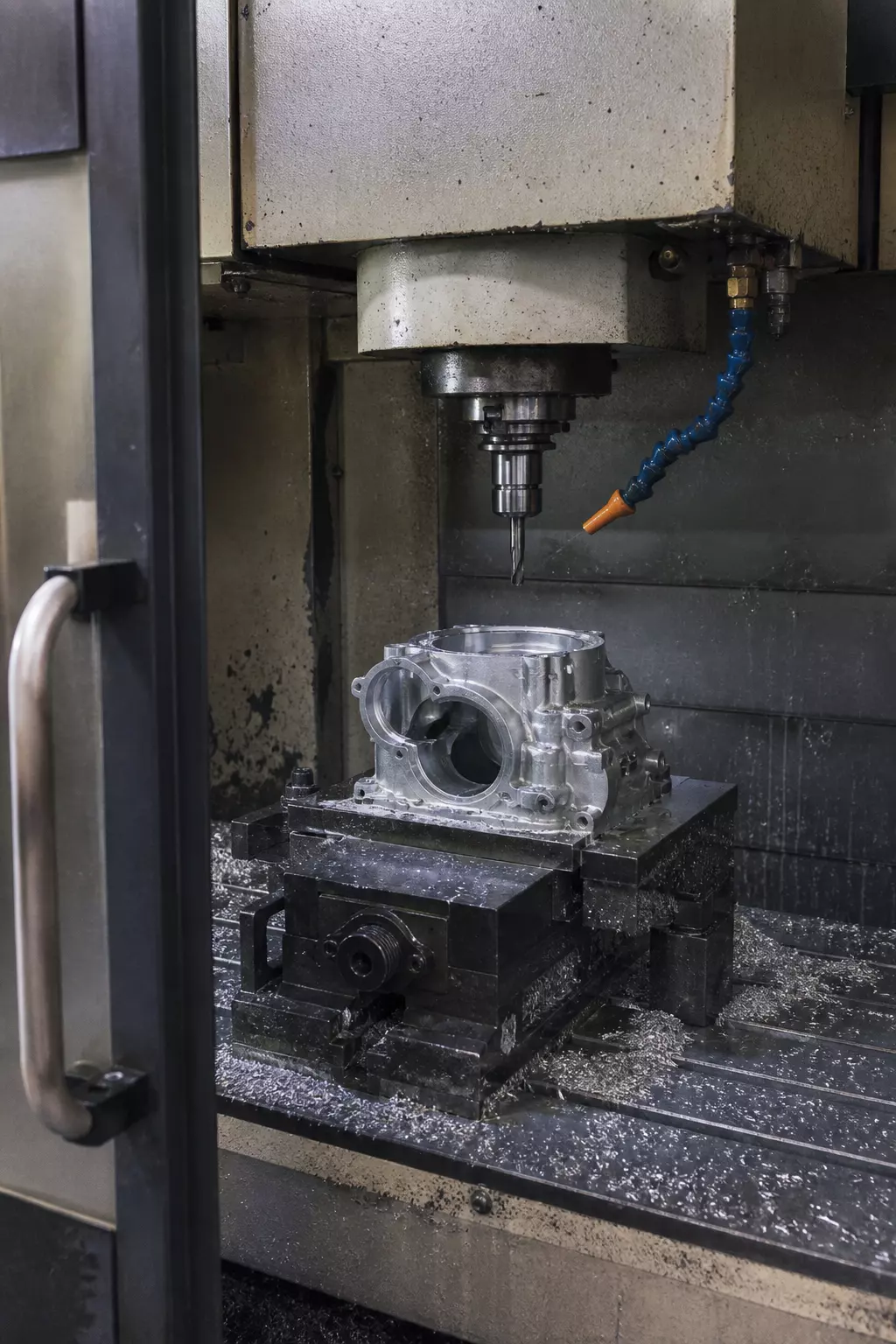
الوثائق الهندسية ترتبط مباشرة بالتصنيع والقياس
تُشغّل Qingdao Relia Industries Co., Ltd. موارد الإنتاج والفحص التي تحوّل الرسومات والمعايير وملاحظات القبول إلى سجلات قطع قابلة للتكرار.
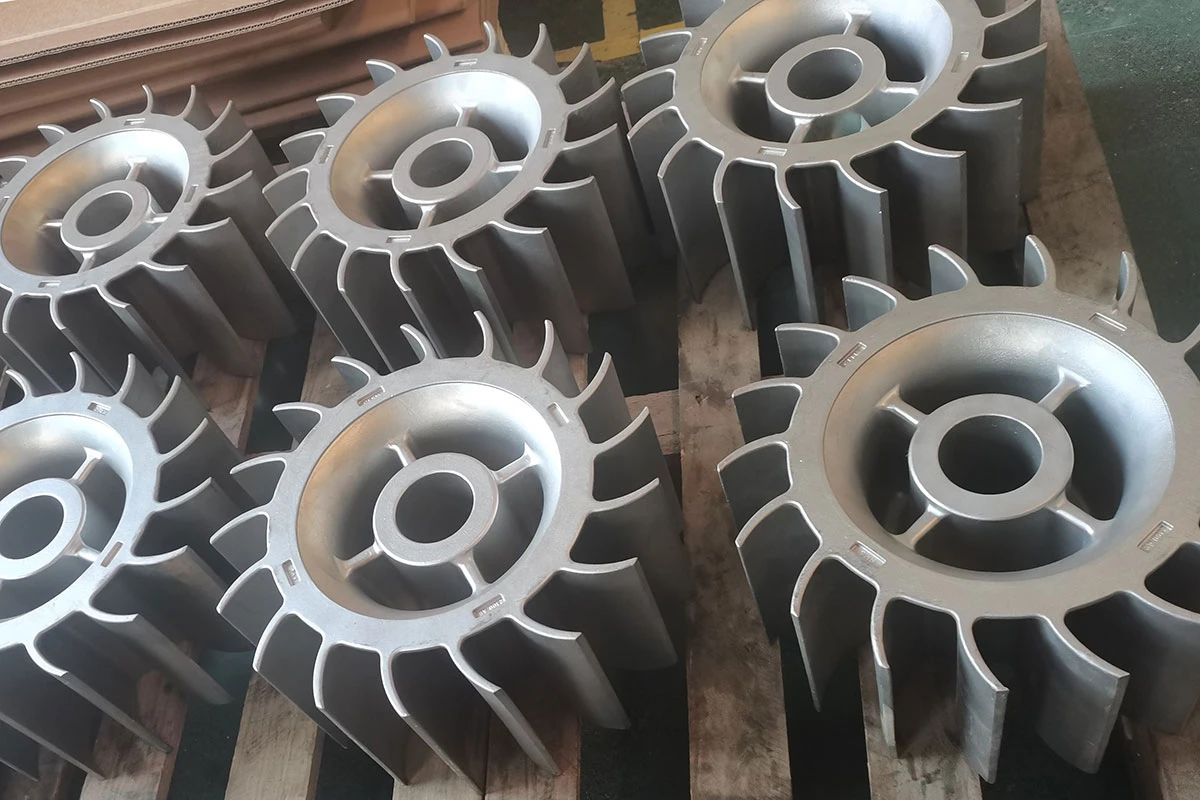
يدعم موقع الإنتاج الذي تديره الشركة مباشرة في تشينغداو، والبالغة مساحته نحو 600,000 m²، مشاريع السباكة والحدادة والتشغيل الميكانيكي وعناصر التثبيت والمكونات الصناعية. وتظل كل قطعة خاضعة لمراجعتها المعتمدة وخطة الفحص الخاصة بها.
مراجعة الرسومات والمواصفات
أرسل المراجعة الحالية وحدّد البنود التي لا تزال عالقة.
يمكن لـ RELIA مراجعة الرسومات والعينات والمعايير والأبعاد والتفاوتات وسجلات الفحص المطلوبة قبل تأكيد المطابقة مع المخزون أو الإنتاج حسب الطلب.
المسار الكامل
اختر القرار التالي ضمن المرجع الهندسي
تقسّم المسارات أدناه الأسئلة المرجعية إلى مهام اختيار أو قياس أو استكشاف أعطال وإصلاحها أو توريد. افتح الصفحة الأكثر تحديداً وفائدة لاحتياجك بدلاً من قراءة المكتبة كاملة بالتسلسل.