

Reducer Selection for Pump Suction Pipework
Your pump inlet reducer has to fit a system, not just connect two sizes. We review the proposed fitting after the pump and piping arrangement has an approved basis. You keep the system design decision; we help turn that decision into a complete and checkable supply configuration.
Send your project details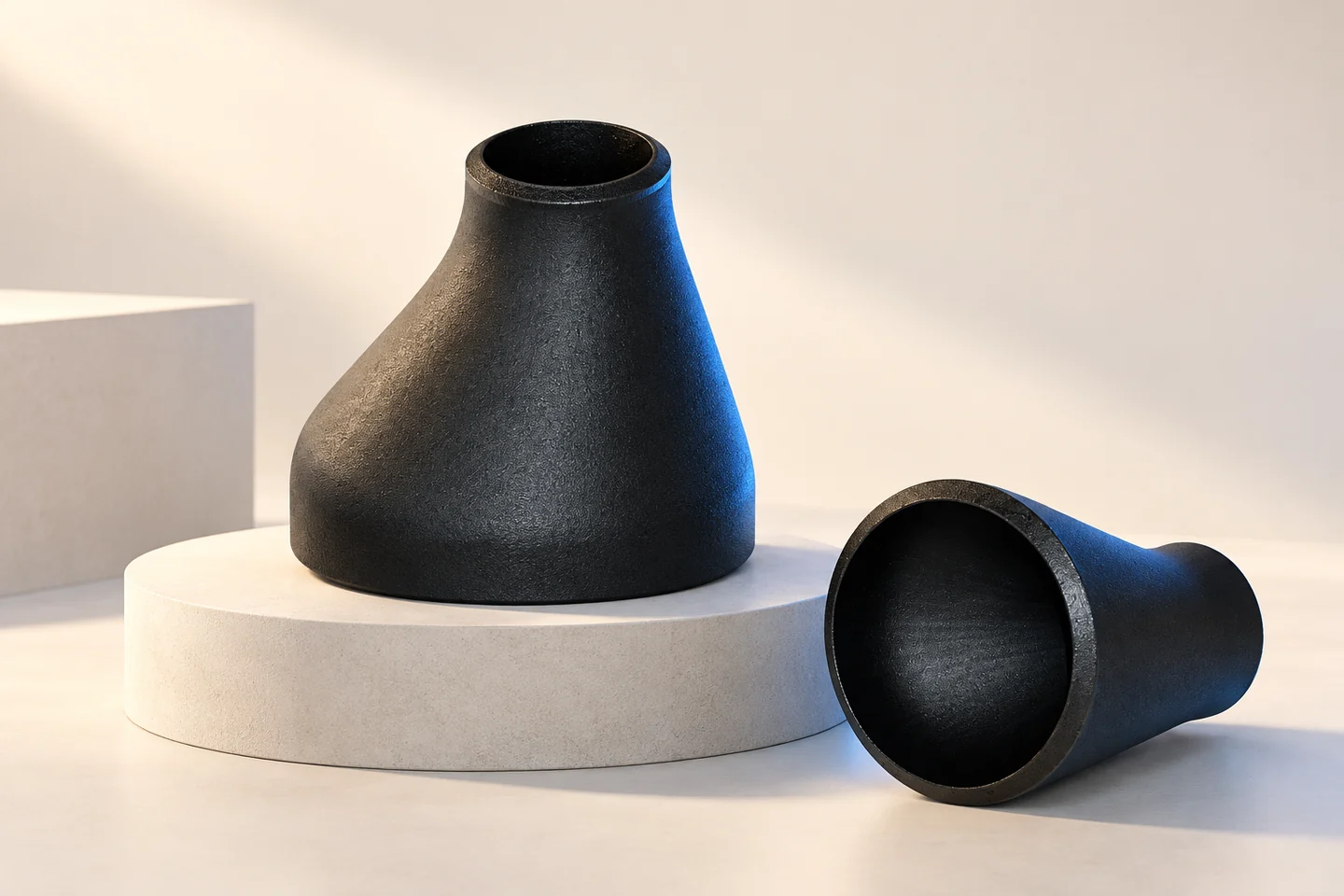
The system arrangement leads the selection
The medium, pipe orientation, pump interface and operating conditions belong in the design review. We keep those inputs attached to the enquiry rather than recommending one reducer form for every installation. A purchasing decision can then follow the approved arrangement instead of replacing it.
- SystemMedium and operating conditions
- ArrangementPipe and pump orientation
- AuthorityApproved design basis
Two interfaces defined independently
The pump nozzle and the connected pipe may use different naming and dimensional references. We need the actual large-end and small-end requirements, including the connections. Keeping both ends explicit makes the reducer offer easier to compare with the equipment drawing.
Concentric and eccentric forms with clear limits
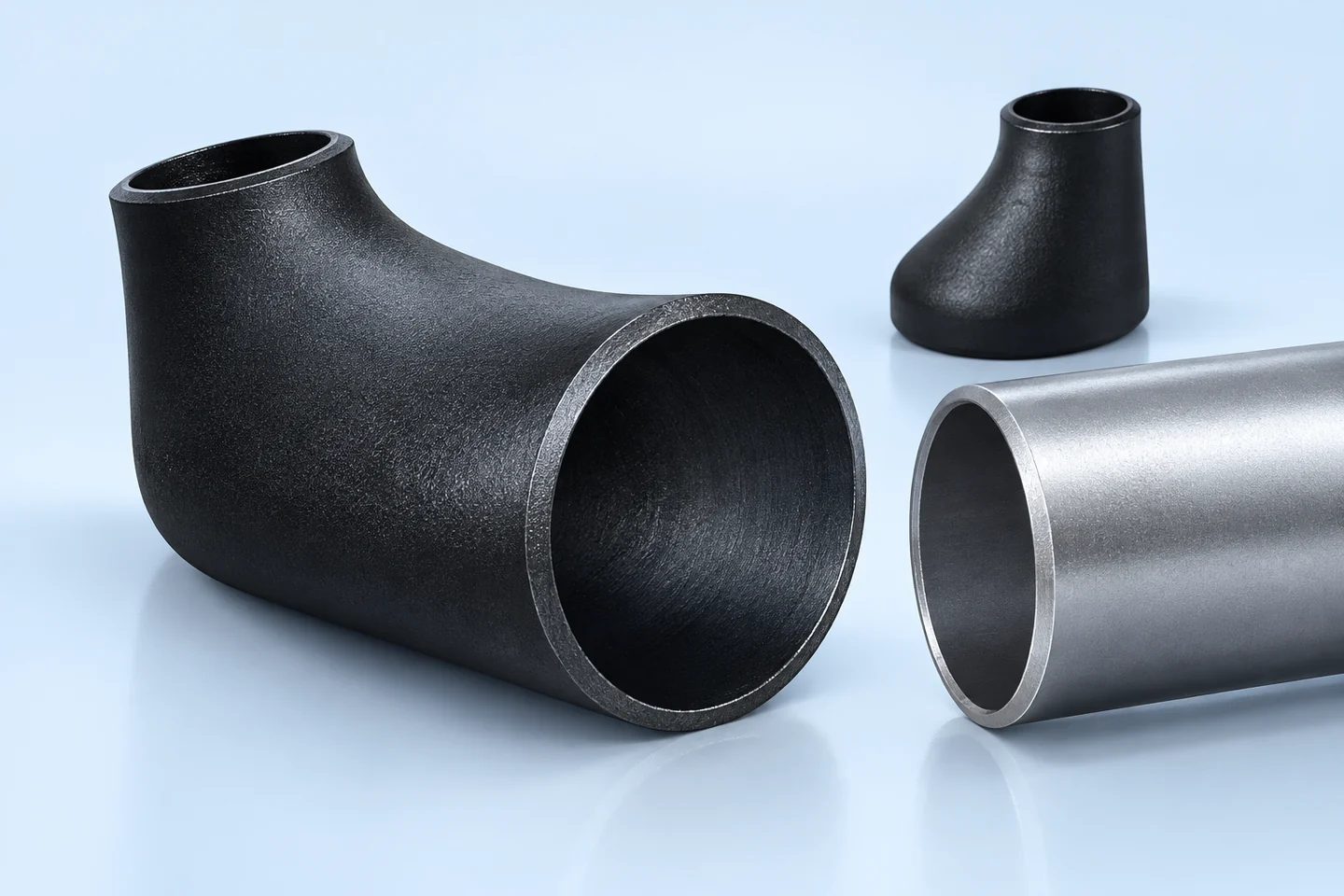
The useful comparison depends on your actual piping layout and service. We review the form your engineering team has accepted, including any required offset and orientation. A general product name does not establish a universal installation direction or a performance guarantee for the pump.
Catalogue reference. The approved specification defines the supplied configuration.A material and joining basis for the order
We keep the specified material separate from the large-end and small-end geometry. The end preparation and delivery condition remain part of the same purchase item. Any proposed alternative is reviewed against your equipment and piping requirements before it enters the accepted supply scope.
- MaterialExact specification
- JoiningBoth approved end details
- ChangeReview before substitution
Length and offset checked against the assembly
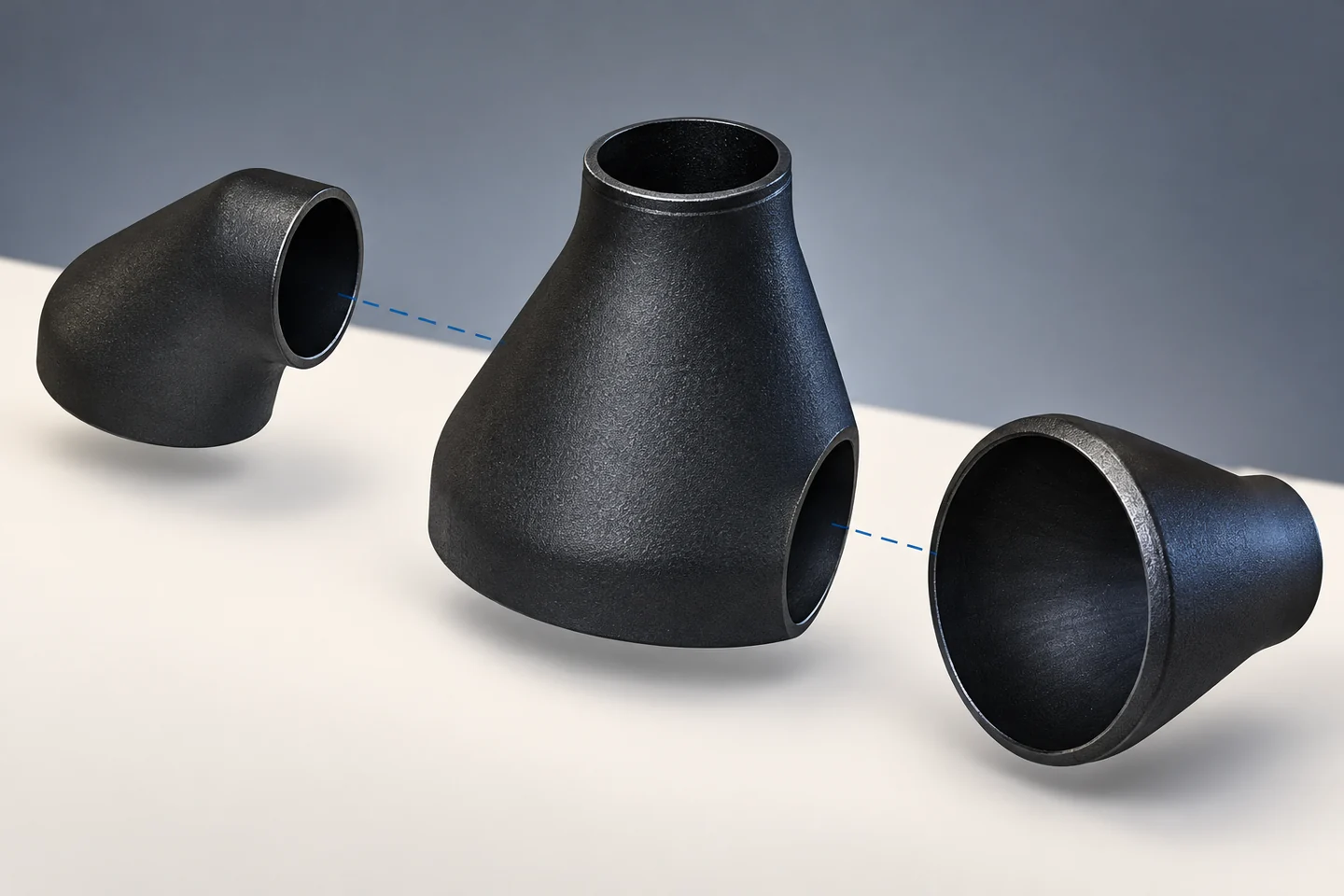
A correct diameter pair may still leave the reducer too long or incorrectly positioned for the skid. We agree the critical length, offset and end-direction checks from your approved drawing. The illustration helps explain the geometry; your drawing controls the delivered dimensions.
The fitting record has a defined scope
We agree the material, dimensional and other specified inspection records for the supplied reducer. Those records address the fitting configuration. Pump performance, support loads and the final system arrangement retain their own engineering acceptance, so the evidence is used for the decision it can support.
- FittingMaterial and geometry
- InspectionAgreed configuration checks
- SystemSeparate design approval
- TraceabilityItem and batch reference
A shared release before assembly
You provide the accepted pump and piping arrangement. We review the reducer definition and identify missing supply details. Together, we close the material, geometry and inspection requirements before release, helping the assembly team receive a part with a clear installation reference.
- YouApprove the system arrangement
- WeClarify the fitting configuration
- TogetherFreeze the supply baseline
Delivery keeps orientation information visible
The item reference should lead back to the accepted reducer drawing, including any orientation-sensitive geometry. We agree the identification and protection scope with the order. Future changes return to review so a similar diameter pair does not quietly replace the approved arrangement.
A clear start for your quotation
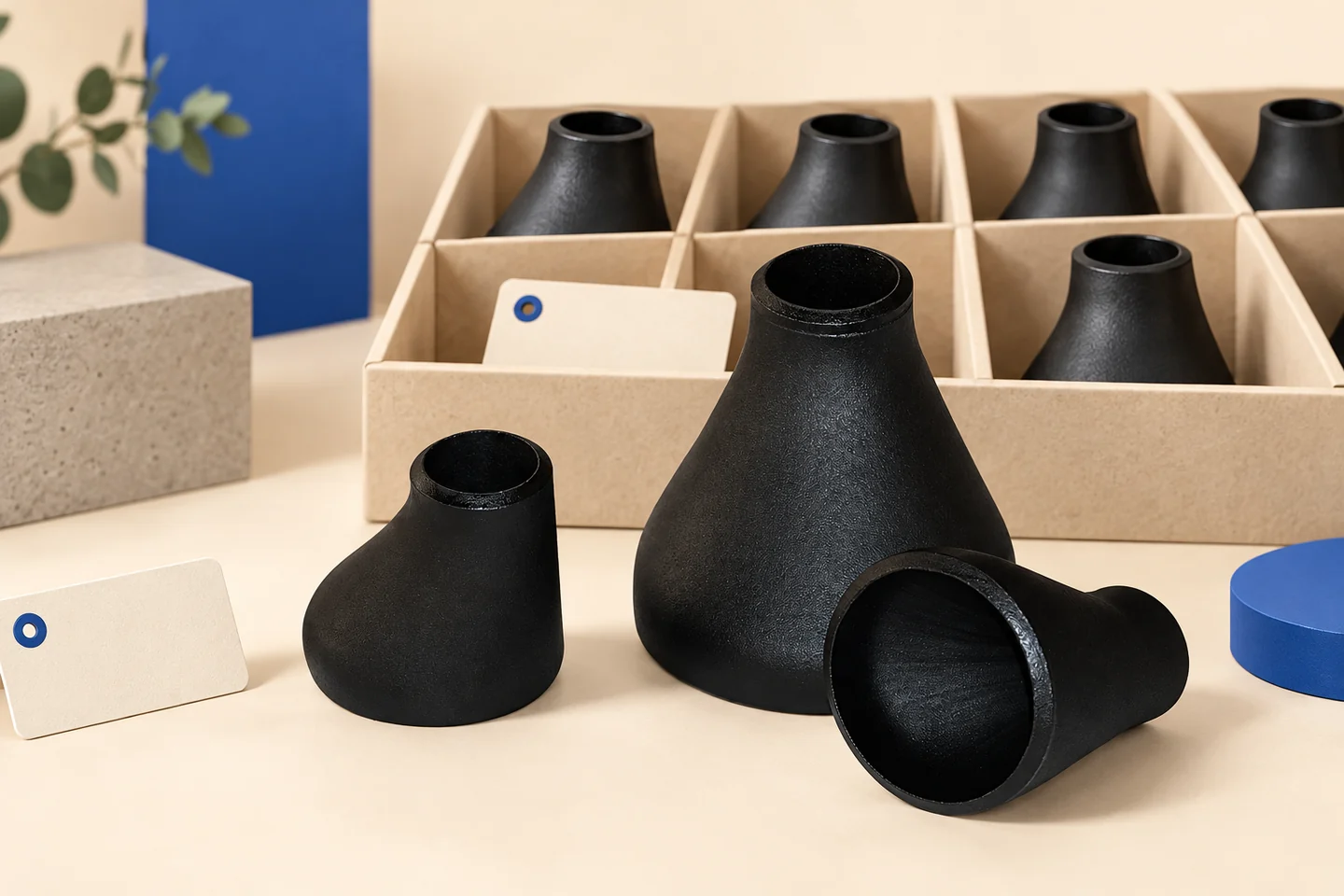
Send the pump nozzle and pipe drawings, approved arrangement, medium and service conditions, large-end and small-end dimensions, offset and length. Include material, end details, quantities and inspection needs so we can review the reducer configuration.
Send your project details- SendDrawing, item list and requirements
- ReviewConfiguration, open points and records
- AgreeTechnical scope and commercial basis
