

Custom Nonmetallic Gaskets for Chemical Equipment
For a custom nonmetallic gasket, start with the fluid, temperature and clamped joint, then choose the sheet or elastomer formulation and cut profile. RELIA manufactures nonmetallic gaskets as well as metal gasket types. This guide explains how material selection, thickness and cutting accuracy work together, and what to check before repeating an approved part. A black rubber image or a non-asbestos label alone does not identify a formulation or establish its chemical suitability.
Discuss this purchase with RELIA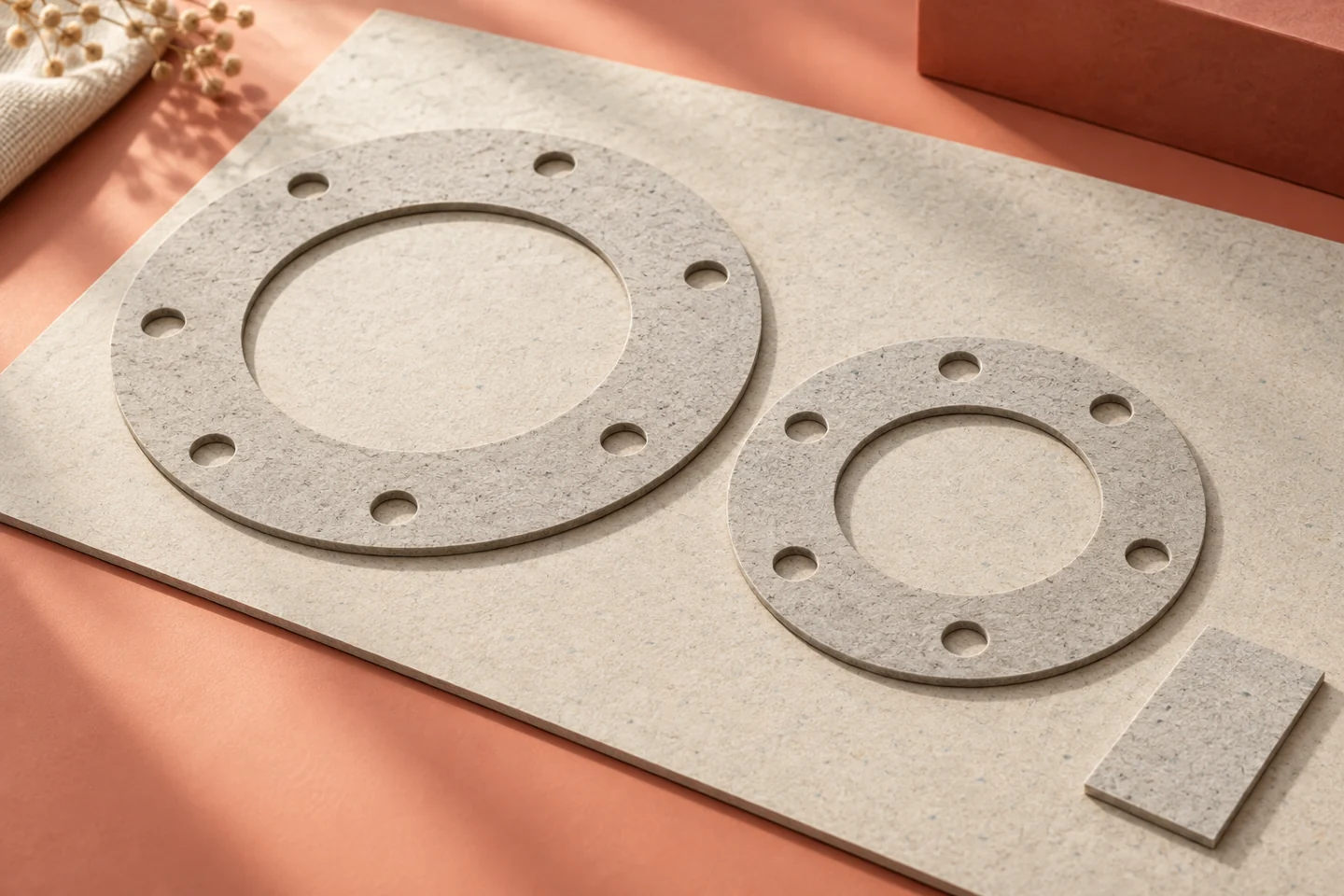
RELIA Production for Nonmetallic Gaskets
RELIA manufactures nonmetallic gaskets, including cut-profile enquiries for industrial equipment. A non-asbestos sheet gasket is the main catalogue example here; PTFE, graphite and EPDM references require separate material definitions. We connect the selected material with thickness, hole layout and cutting requirements. Dimensions, material documents and pre-shipment condition provide the initial verification basis, while service suitability depends on the actual formulation and joint conditions.
- RELIA in ChinaSpiral-wound, metal-ring and nonmetallic gasket production
- Your benefitA defined structure and material combination
- Initial checksDimensions, material documents and pre-shipment condition
The chemical service narrows the material choice
For a chemical-equipment gasket, define the fluid and concentration, operating and cleaning temperatures, pressure conditions and joint arrangement. These inputs narrow the material review before the drawing is cut. A non-asbestos label describes a family rather than one chemical-performance specification.
Our non-asbestos flange-gasket reference is a relevant starting item. PTFE, graphite and EPDM references are alternatives for separate review, not a list of interchangeable materials or a promise that one formulation handles every chemical.
Catalogue references support the enquiry. The accepted drawing, material definition and quotation identify the supplied configuration.
Thickness and cut profile follow the joint
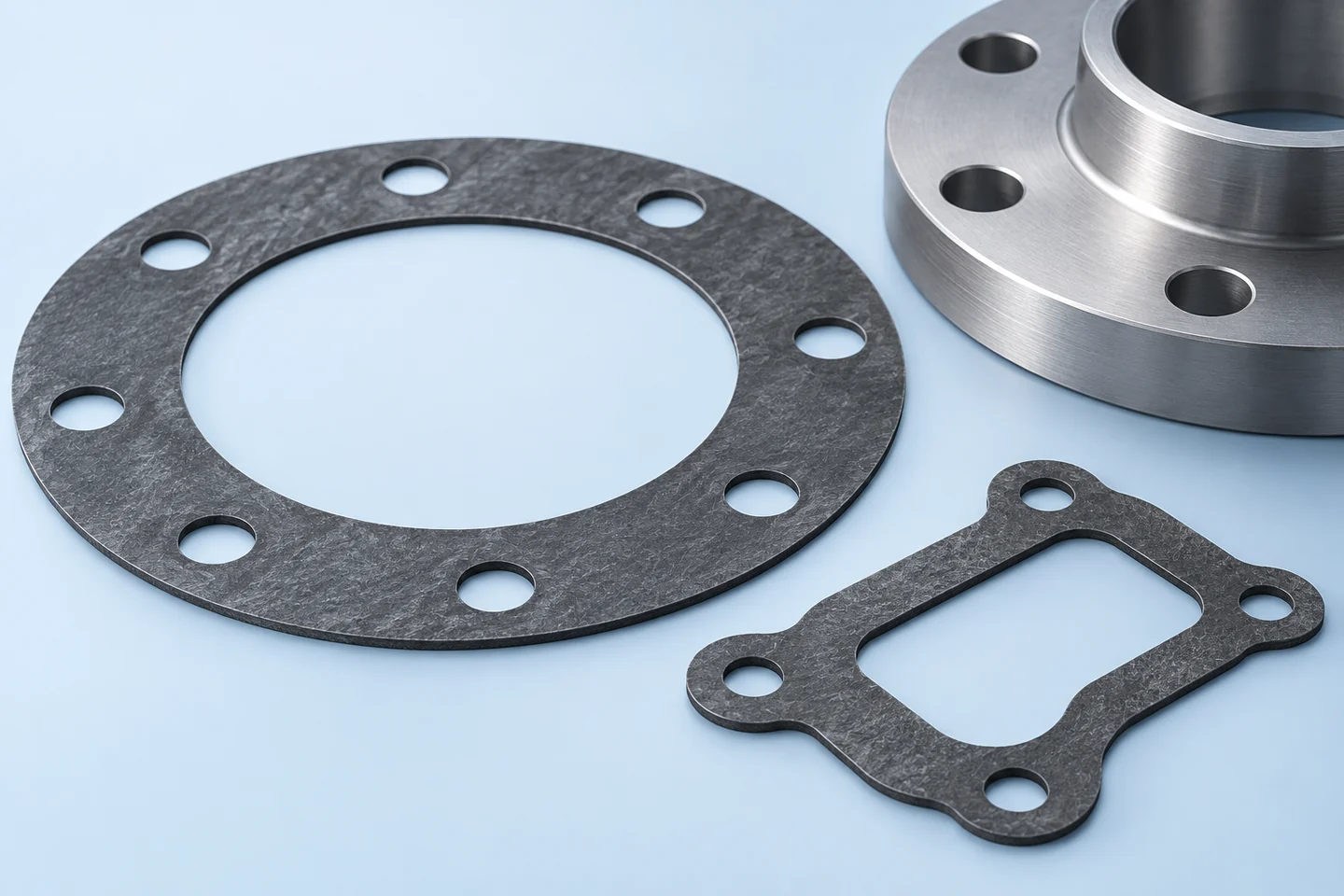
The drawing should state inside and outside profile, hole diameter, hole positions and finished thickness. Include a datum or centre reference so the hole layout can be checked independently of the outer edge. A custom outline is incomplete when its bolt pattern is missing.
Thickness affects both fit and the mechanical behaviour of the clamped joint. The selected material and joint design determine the accepted value; making a gasket thicker is not a universal solution for an irregular flange.
| Parameter | Purchase meaning |
|---|---|
| Profile | Inside and outside contour |
| Holes | Diameter, count and position reference |
| Thickness | Selected finished sheet or part thickness |
| Material identity | Formulation or agreed product designation |
Cutting the agreed nonmetallic gasket
The production sequence verifies the selected sheet or material, lays out the approved profile, cuts the contour and holes, then checks the finished part. The cutting method is chosen for the material, thickness and shape. Edge condition and handling matter especially around narrow lands and bolt holes.
RELIA performs nonmetallic gasket production. We define the actual cutting and inspection scope for the selected part rather than infer a manufacturing method from a generic rubber photograph.
- VerifyMaterial identity and selected thickness
- Lay outApproved contour, holes and datums
- CutMethod suited to the selected material
- InspectProfile, holes, edge condition and identification
Hole position and edge quality affect assembly
Hole location determines whether the gasket sits correctly in the joint without stretching or trimming during installation. The inner profile should follow the accepted flow opening and sealing width. Clean edges help preserve the designed outline around holes and narrow sections.
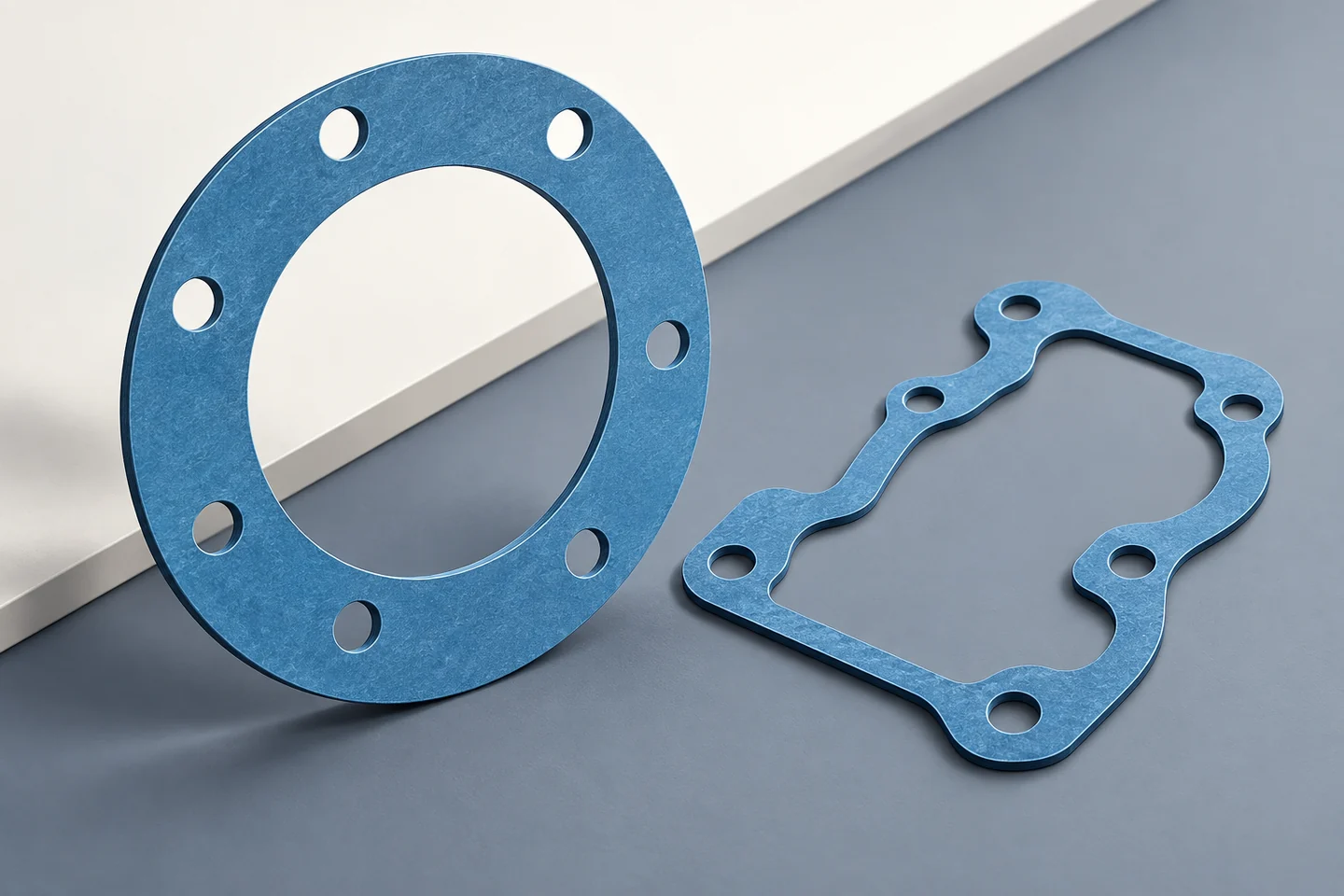
The illustrations explain flat cut profiles. Colour and texture do not certify a formulation, and a picture of one sheet material should not be used as evidence for another material’s chemical compatibility.
Material and profile checks stay visible
Measure the finished profile and relevant hole positions against the drawing, then connect the results with the selected material and thickness record. For complex outlines, agree which features and measurement references form the acceptance plan.
RELIA can provide dimensional checks, material-document review and pre-shipment inspection. Chemical compatibility evidence, special cleanliness or project-specific performance validation must address the actual formulation and service rather than a material-family name alone.
| Parameter | Purchase meaning |
|---|---|
| Material | Agreed formulation or product reference |
| Thickness | Specified value and acceptance basis |
| Profile | Contour and hole-layout checks |
| Service evidence | Specific material and application basis |
The approved material is part of the part number
An approved sample becomes useful when its material identity and drawing revision are retained with the measurements. A photograph alone cannot establish thickness, formulation or hole-location acceptance. RELIA can provide actual production or inspection photographs and anonymised records where appropriate.
The flange and spiral-wound guides cover adjacent joint decisions. Keep the selected nonmetallic material visible in the part reference so a repeat order does not silently change the service basis.
- ReferenceDrawing revision and material identity
- MechanismMaterial plus clamped-joint design
- EvidenceMeasured profile and relevant material documents
- ApprovalSample scope and production reference
A repeat order retains the accepted formulation
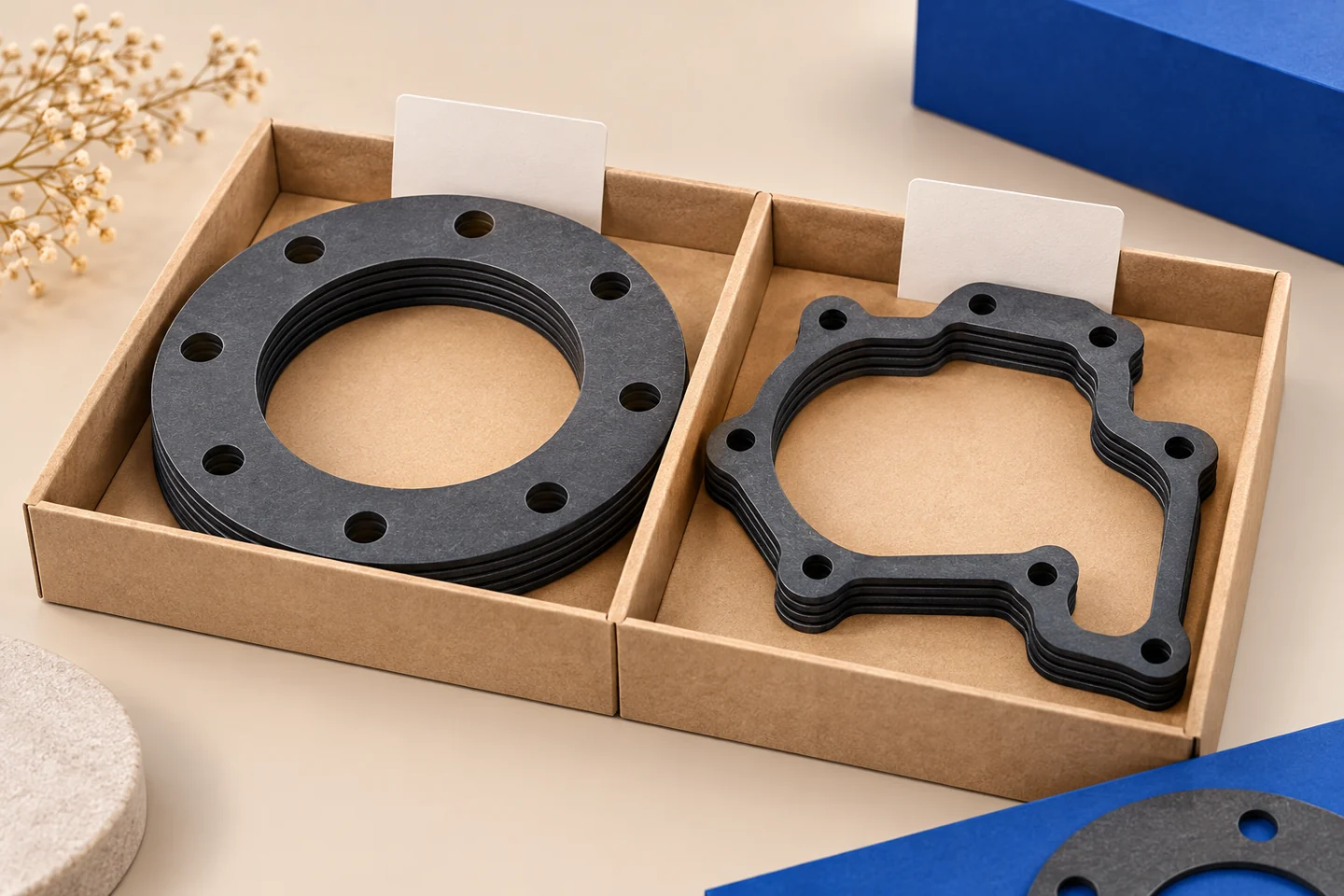
Keep flat parts supported and protected from damage and contamination. Pack different formulations and thicknesses as distinguishable items, even when their outlines match. The receiving list should refer to the same drawing and material code used for approval.
For a repeat order, RELIA can review whether the process fluid, cleaning cycle, joint or material has changed. An unchanged outline does not mean the complete gasket requirement is unchanged.
Contact RELIA for Your Purchase Specification
Send the cut-profile drawing, inside and outside dimensions, hole layout, thickness, material requirement, fluid and cleaning conditions, quantities and inspection needs. RELIA can review the material-and-cutting definition for the equipment gasket.
- DefineDrawing, configuration and quantities
- ReviewManufacturing scope and inspection requirements
- QuoteA clear technical and commercial basis
