
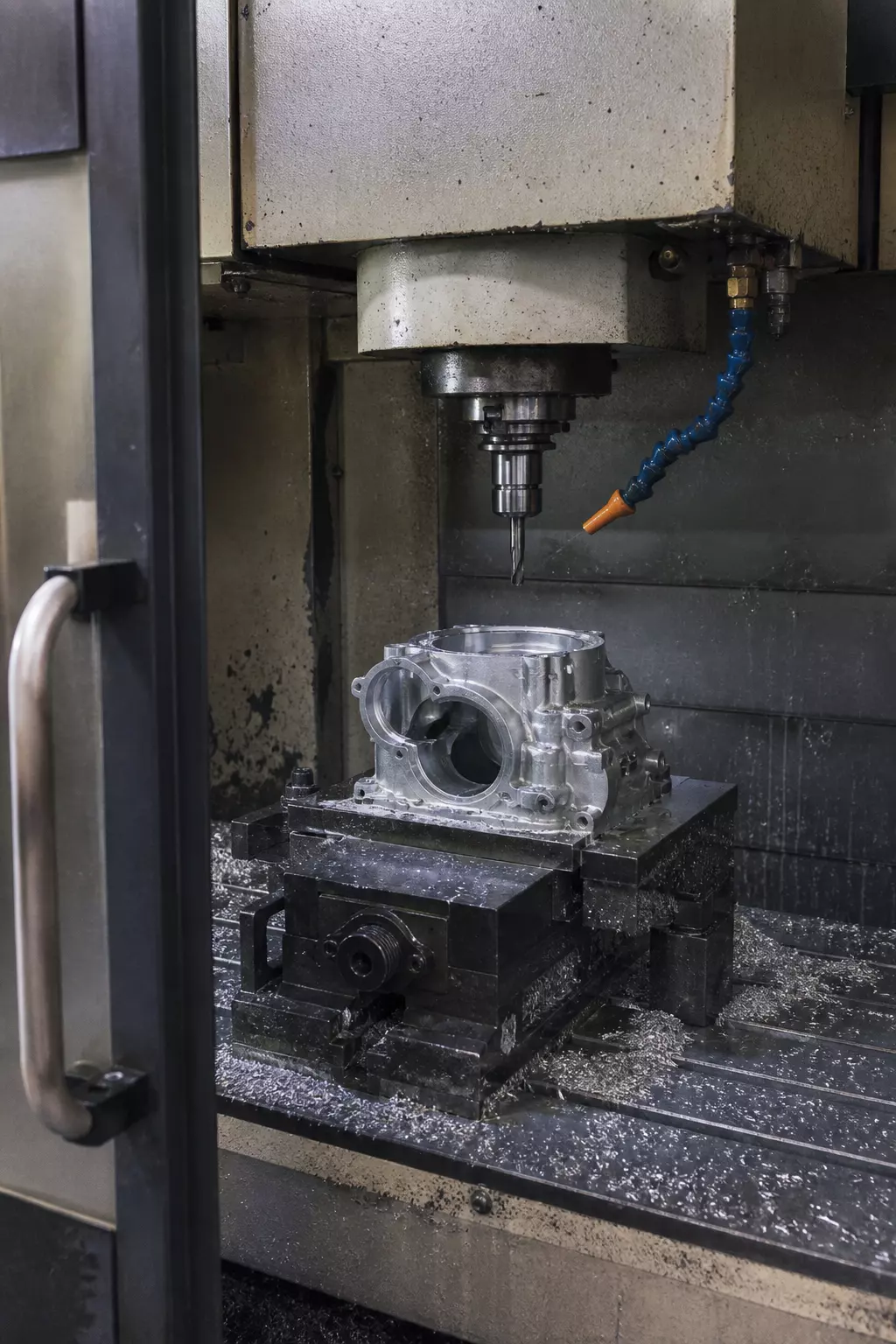
Tuberías e infraestructura
Seleccione el componente según la función que deba cumplir en la tubería.
El movimiento, la vibración, el acceso para mantenimiento, la reparación de fugas y el control del caudal requieren distintas familias de componentes. Empiece por la función del sistema y confirme después el fluido, la presión, la temperatura, la conexión, las dimensiones y las restricciones de instalación.
Árbol de decisión de componentes
Empiece por la función requerida
Un tamaño de brida similar no hace que dos componentes sean intercambiables. Identifique si el proyecto requiere absorción de movimiento, trazado flexible, unión de tuberías, espacio de desmontaje, reparación localizada o control de la dirección del flujo.
Absorber movimiento o vibración
- Junta de expansión de caucho para flexibilidad y aislamiento de vibraciones
- Fuelle metálico para un movimiento térmico definido y una restricción calculada
- Manguera flexible para movimiento según el trazado y conexión de equipos
Unir, adaptar o desmontar
- Acoplamiento para conectar tubería con tubería
- Adaptador de brida para conectar un tubo de extremo liso a un equipo embridado
- Junta de desmontaje para ajuste axial controlado y acceso de mantenimiento
Reparar o controlar el caudal
- Abrazadera de reparación para un defecto definido y el diámetro exterior real del tubo
- Válvula de aislamiento o control según el servicio operativo
- Válvula de retención para flujo unidireccional y prevención del reflujo
Lista de comprobación de condiciones operativas
Los valores nominales corresponden a la aplicación completa
Los datos de producto publicados pueden no incluir todos los valores del proyecto. Esto no elimina la necesidad de analizar cada parámetro de ingeniería; significa que la selección final debe confirmarse con el sistema real del comprador.

Revisión de requisitos
Del tamaño solicitado a una especificación controlada
Una consulta útil vincula las condiciones operativas con la construcción y la aceptación. RELIA puede revisar los datos disponibles e identificar la información pendiente para encontrar productos en stock o realizar una fabricación a medida.
- Marque por separado los valores confirmados y provisionales.
- Adjunte el plano, la especificación o la información de muestra más recientes.
- Identifique los documentos o las inspecciones exigidos con el pedido.
- Mantenga visibles los supuestos de la oferta para la posterior revisión de muestras o de producción.
Accesos a productos
Continúe por familia de componentes
Preguntas de los compradores
Preguntas frecuentes sobre selección de tuberías
¿Basta el tamaño de la brida para identificar el componente correcto?
No. Un mismo tamaño nominal puede estar disponible con distintas normas de brida, clases de presión, longitudes entre caras, materiales y construcciones para absorber movimiento. Proporcione toda la información de conexión y funcionamiento.
¿Qué ocurre si aún no se ha confirmado la clase de presión definitiva?
Comparta la presión operativa conocida y la clase de la tubería o válvula adyacente, y marque claramente como provisional la clase solicitada. RELIA puede revisar la relación, pero la autoridad del proyecto debe confirmar la base de diseño definitiva.
¿Puede utilizarse una muestra si no hay un plano disponible?
Una muestra puede ayudar a identificar el componente y obtener sus dimensiones. Deben considerarse el desgaste, la compresión, la corrosión o la deformación antes de usarla como referencia de fabricación.
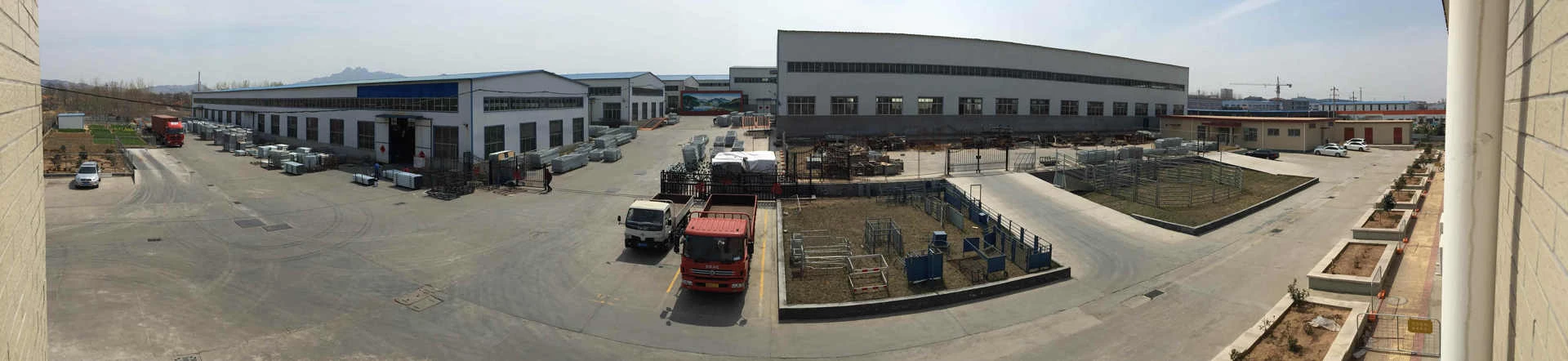
Contexto de fábrica para esta guía técnica
Las evidencias de fabricación y ensayo respaldan la elección del componente
Una guía de selección resulta más útil cuando cada dato del sistema puede trasladarse a un proceso real de producción e inspección. RELIA fabrica juntas de caucho, fuelles metálicos, mangueras, válvulas, conexiones de tuberías y productos de reparación en su propia fábrica.
Use la guía para elegir primero la familia de componentes correcta. Después, la oferta vincula el fluido, las dimensiones, la conexión, la presión y las exigencias de movimiento con la configuración exacta que se fabrica e inspecciona.
Revisión de proyectos de tuberías
Envíe las condiciones del sistema, no solo el nombre de un producto.
Proporcione el fluido, la presión, la temperatura, el tamaño, la conexión, los requisitos de movimiento o reparación, la cantidad y los planos disponibles. RELIA organizará los puntos pendientes y propondrá el siguiente paso de revisión.
Ruta completa
Elija la siguiente decisión sobre componentes de tuberías
Las rutas siguientes dividen las cuestiones de tuberías en tareas de selección, medición, resolución de problemas o abastecimiento. Abra la página más específica que le resulte útil en lugar de leer toda la biblioteca en orden.