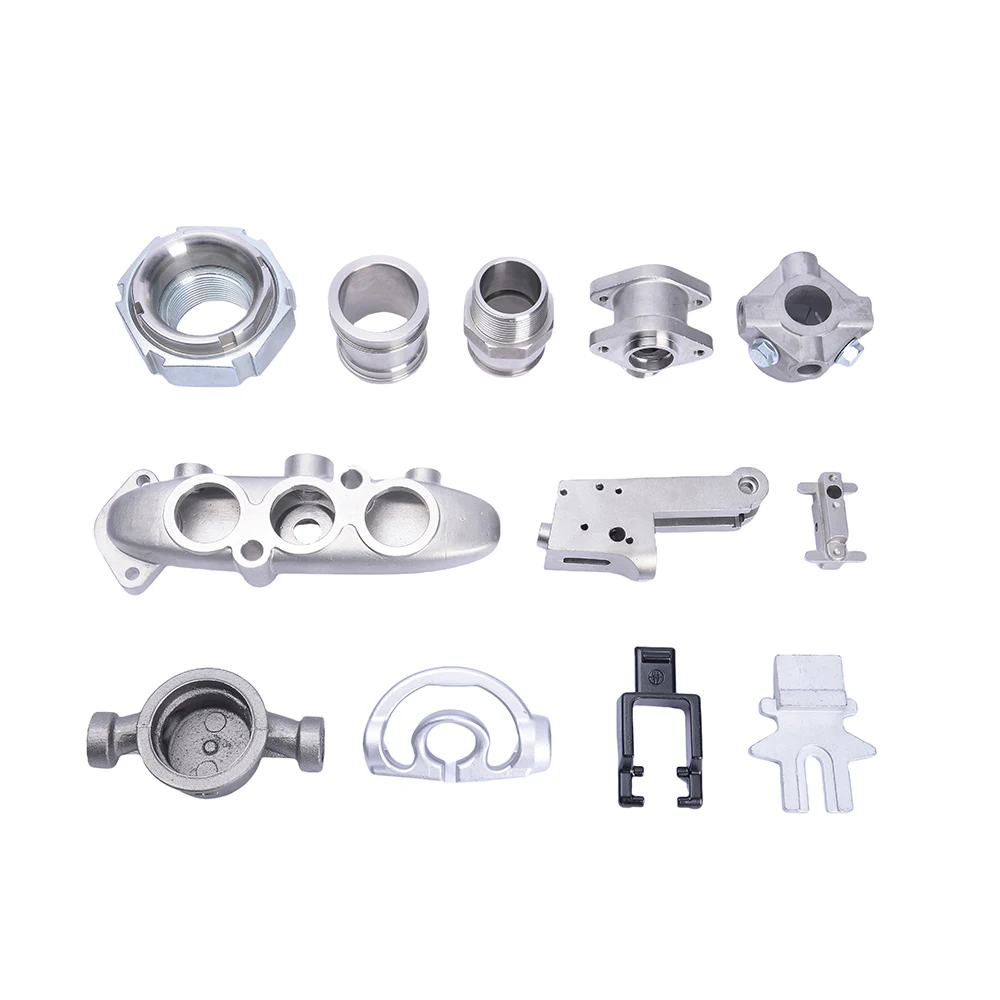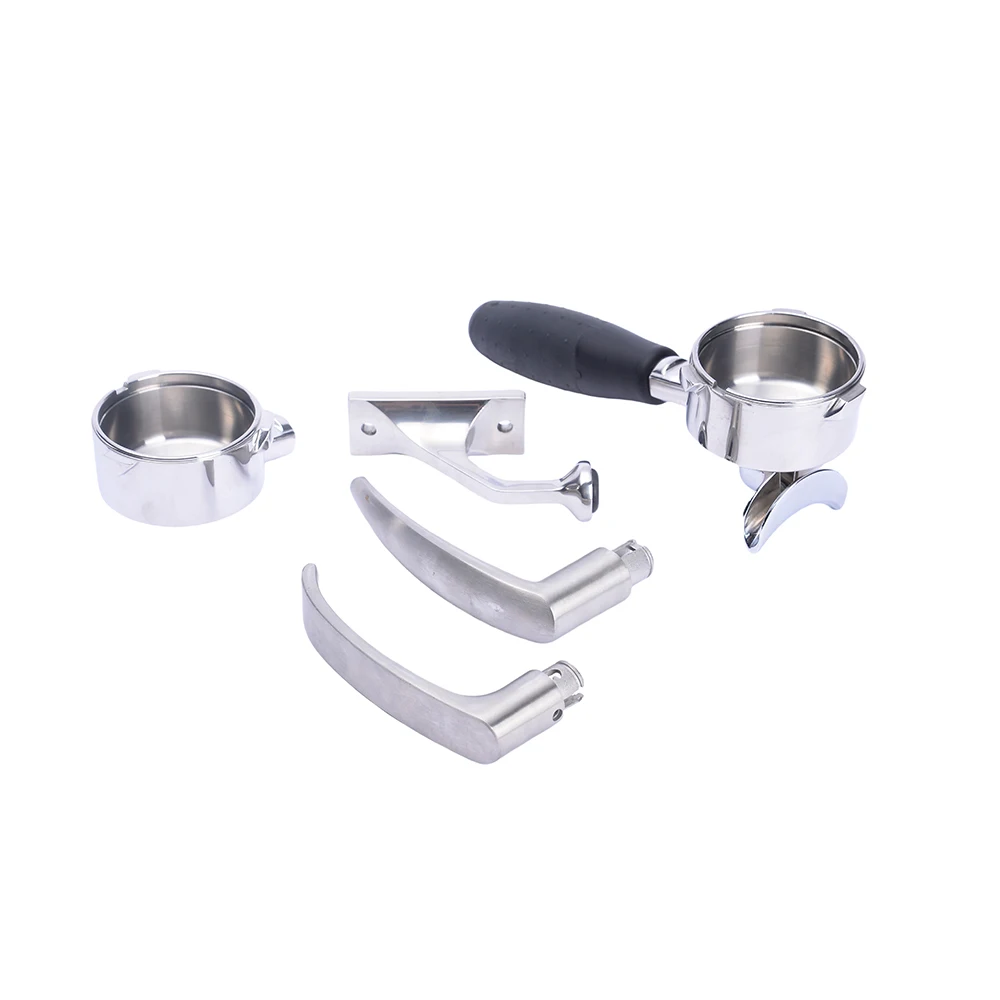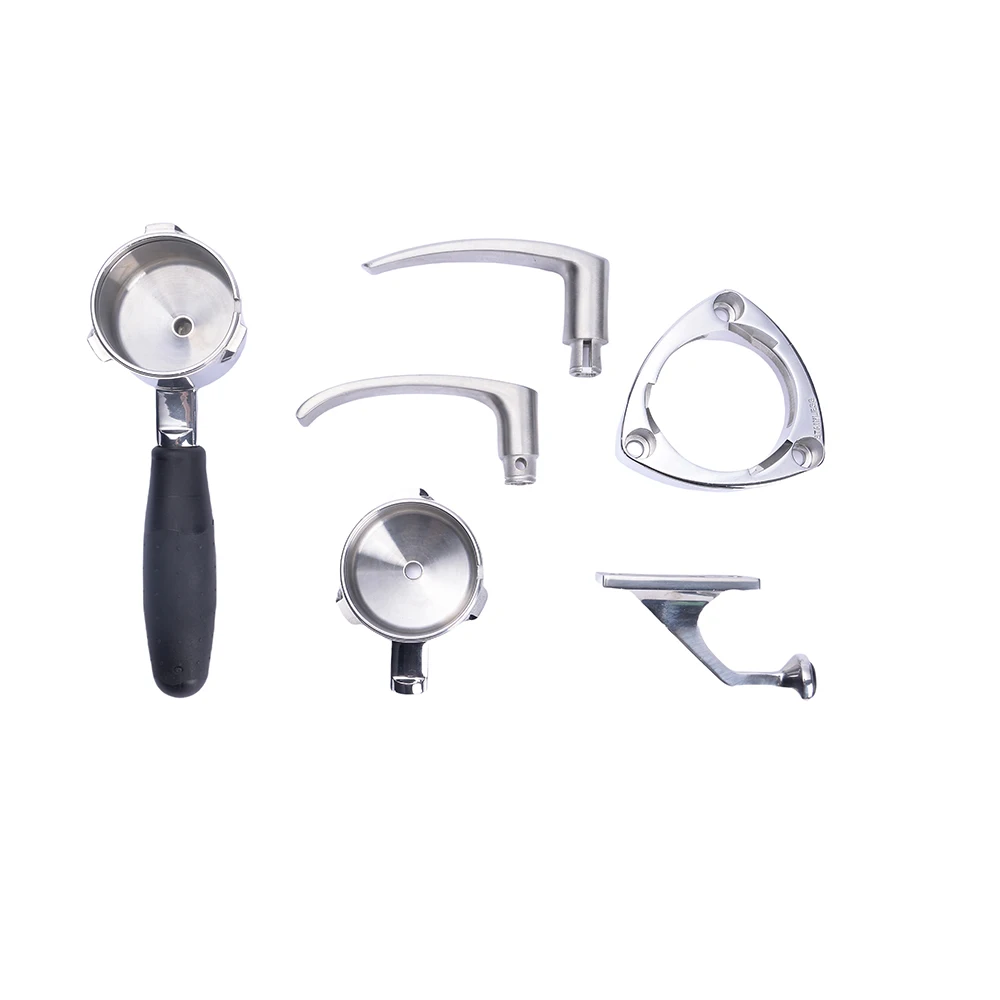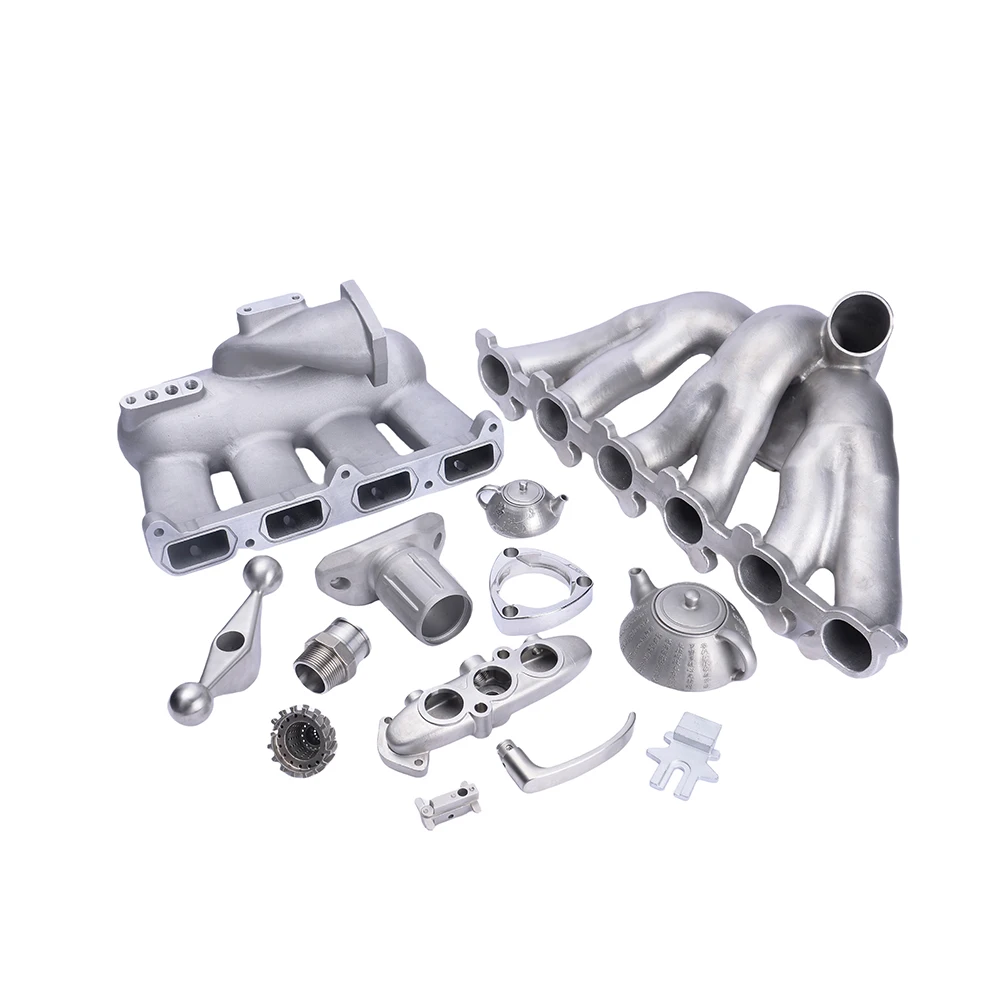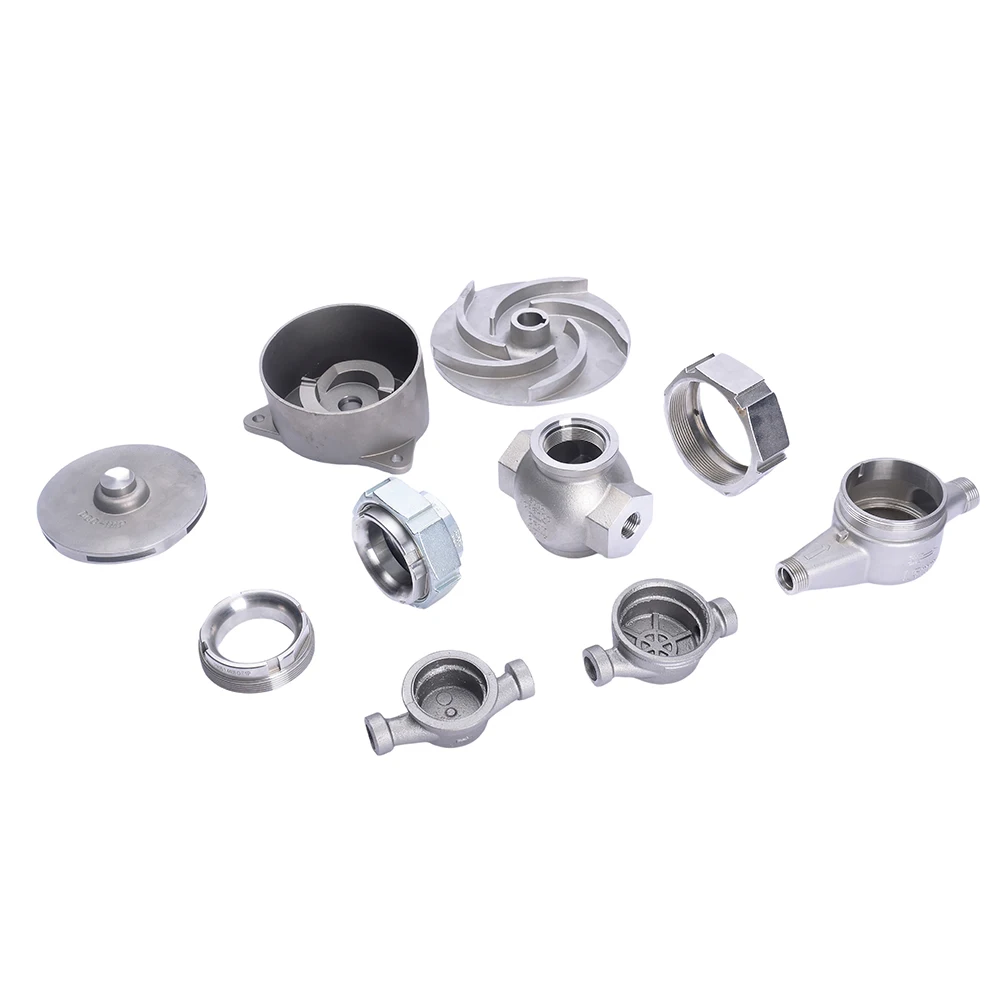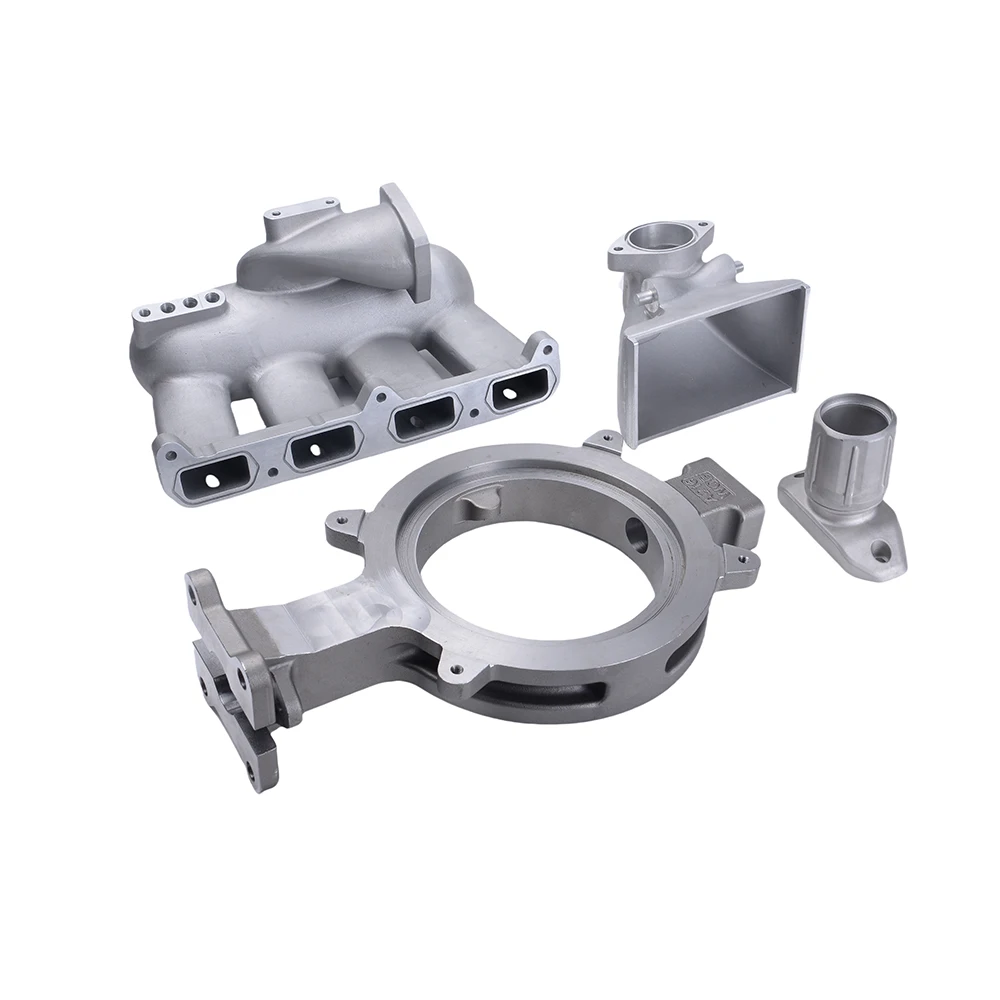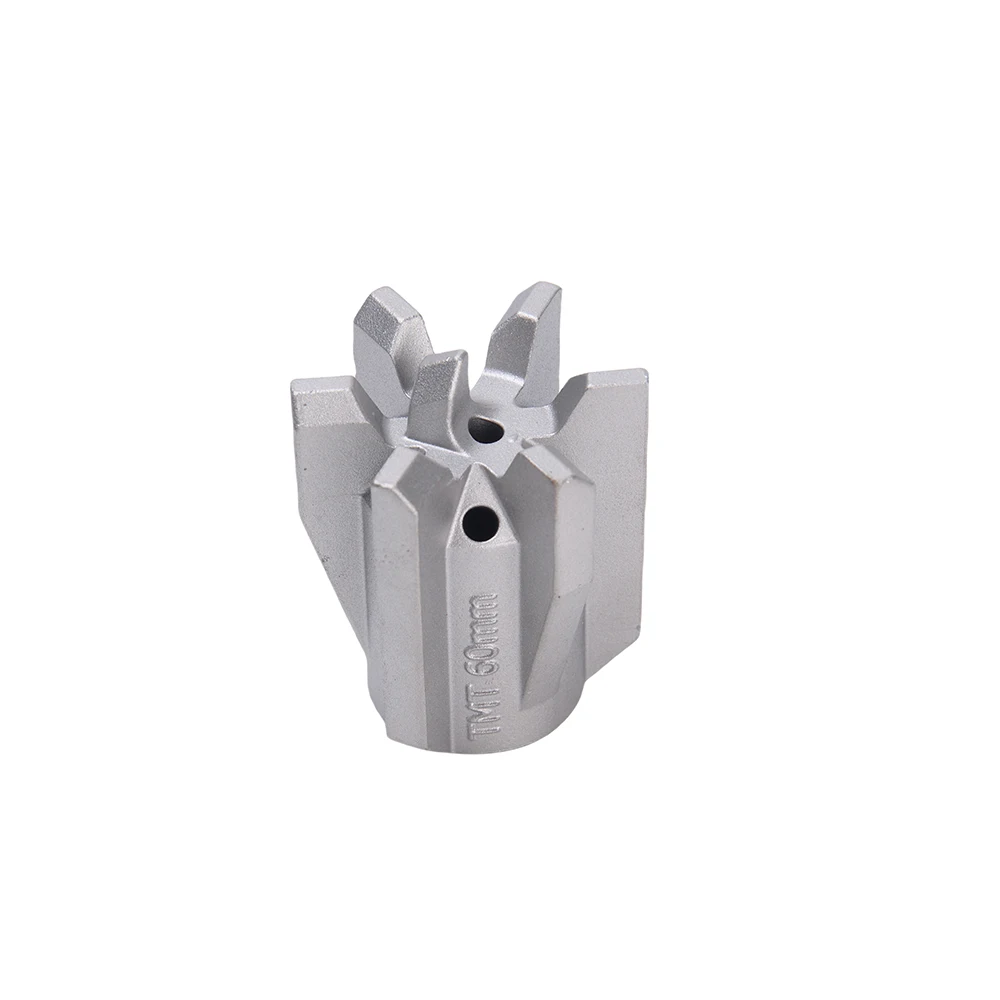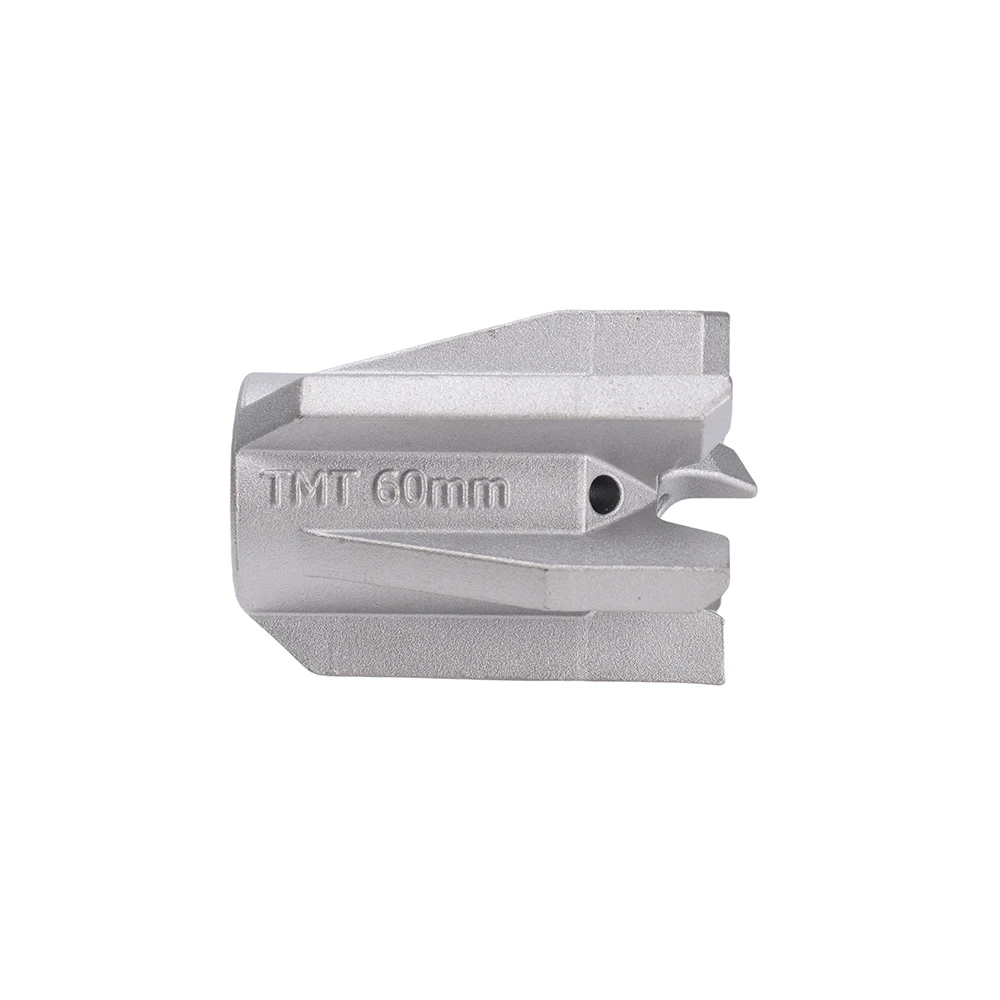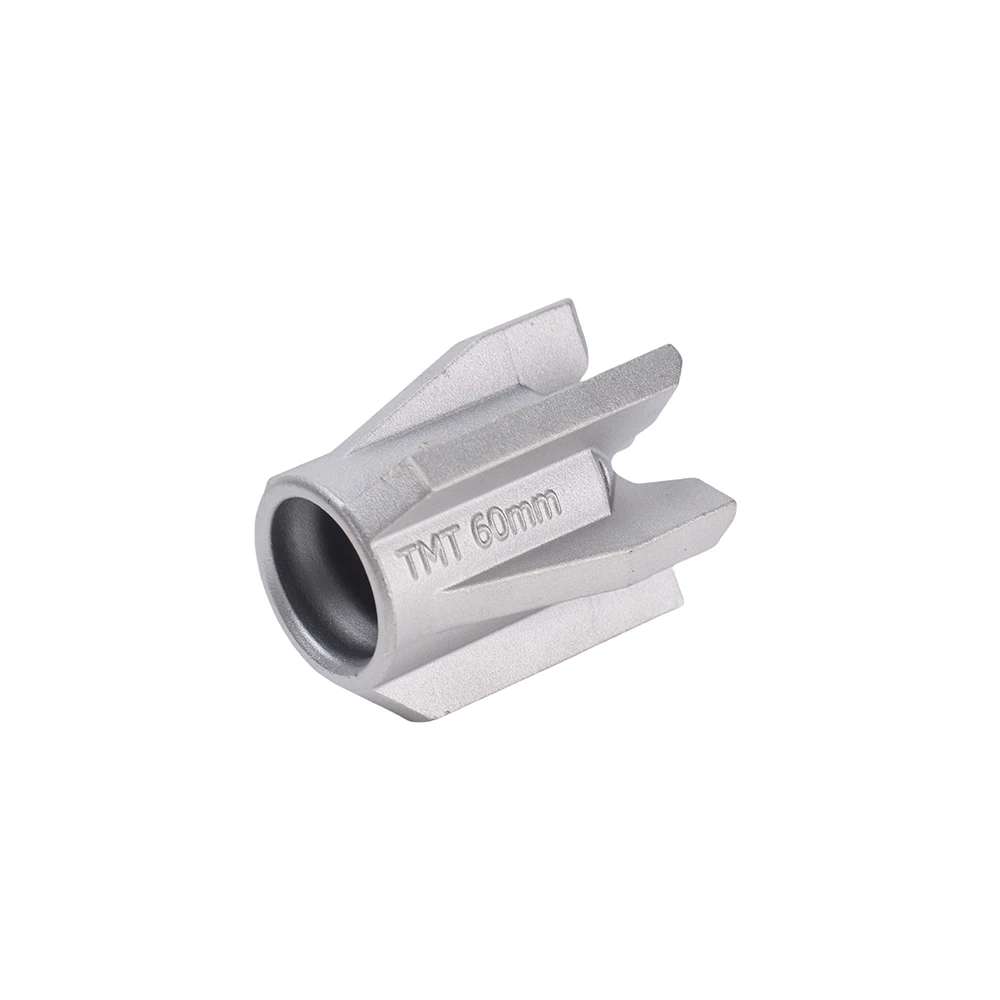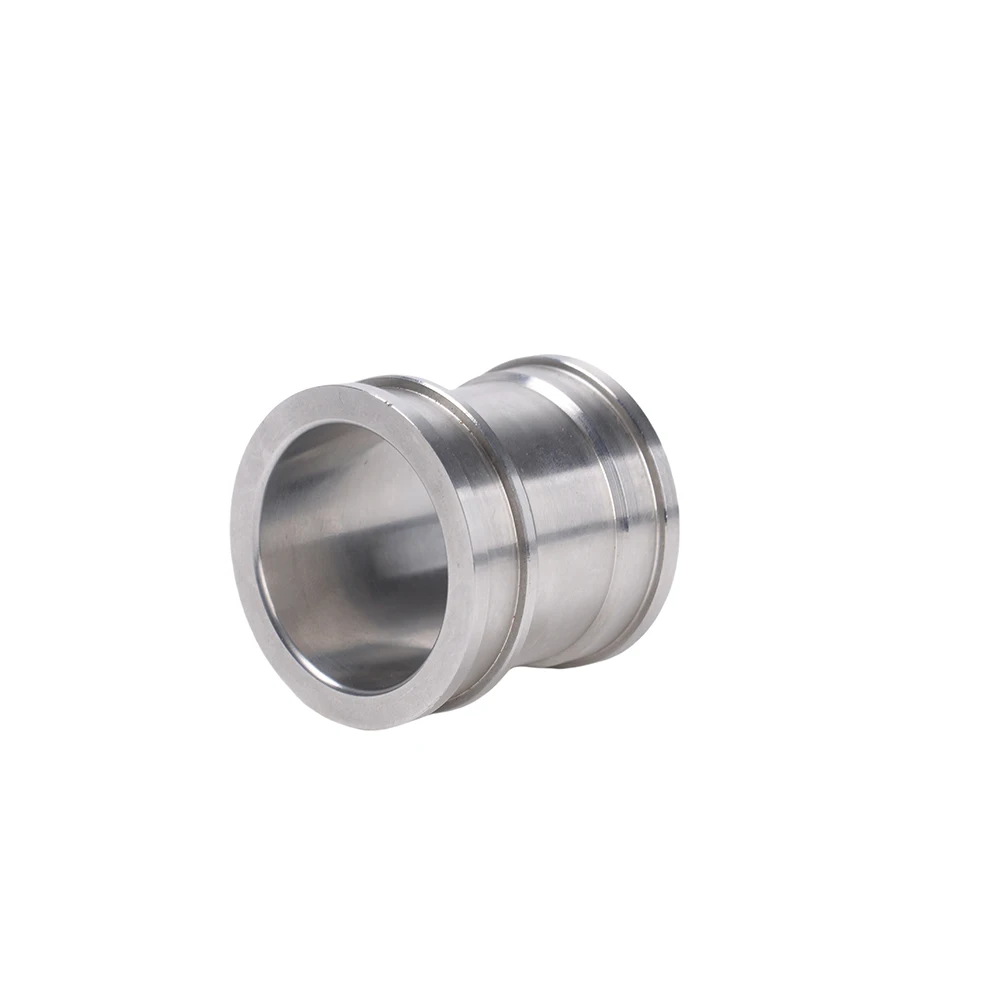
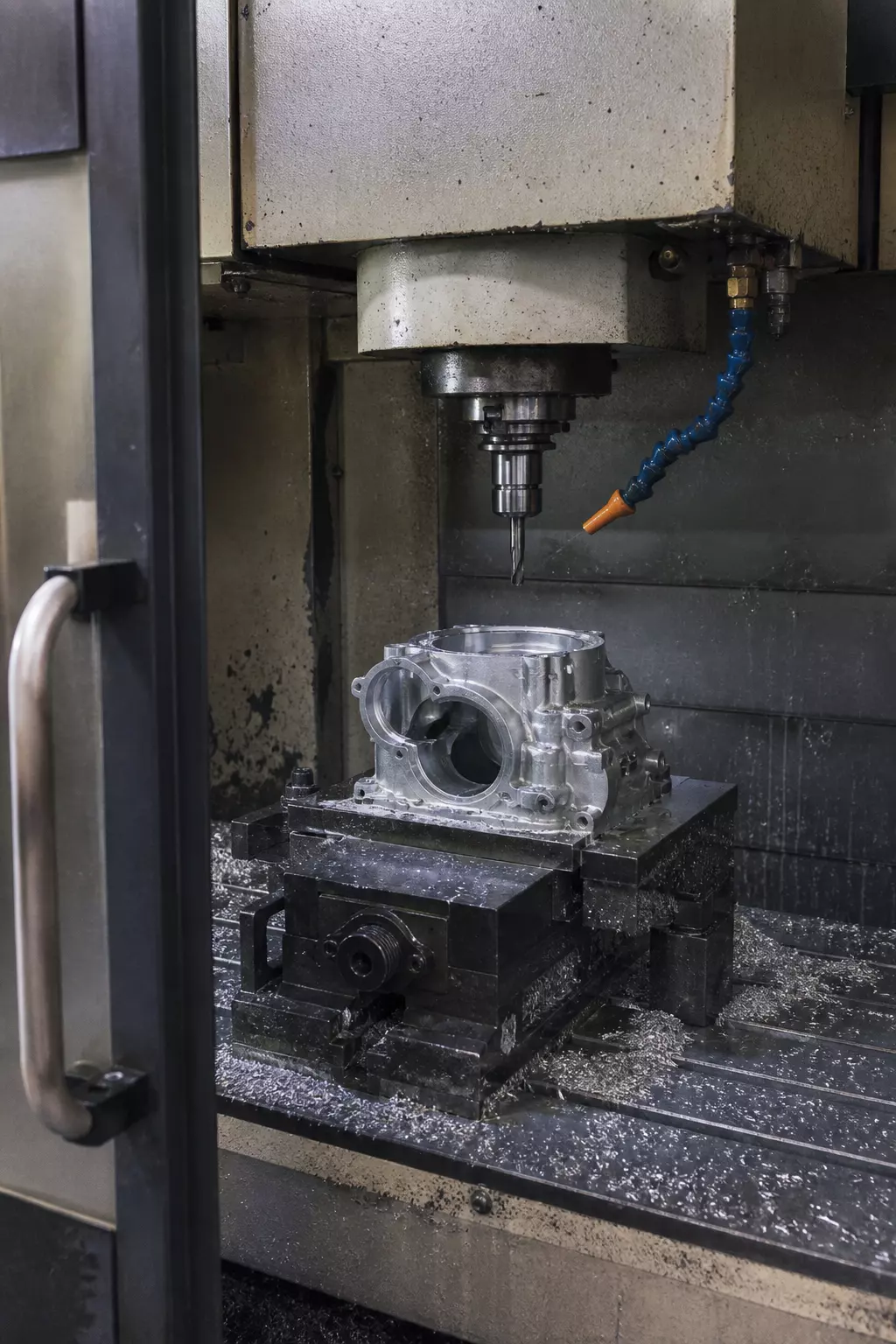
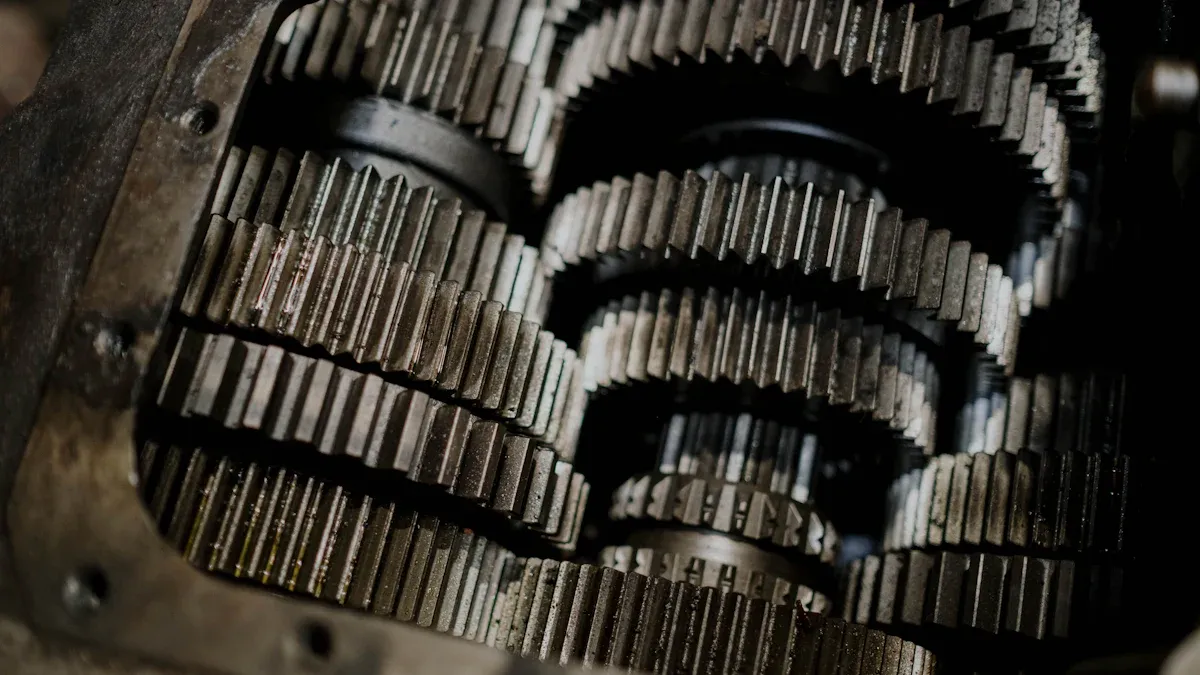
Quality certifications are very important for making CNC machined parts. They ensure each part meets strict rules for quality and performance. Certifications like ISO 9001 help keep production consistent and reliable. First Article Inspections (FAI) check if the first CNC machined parts match the design exactly. Gauge Repeatability and Reproducibility (Gauge R&R) tests ensure tools measure correctly. These steps build trust and demonstrate dependability, making certified shops the top choice for quality CNC machined parts.
Key Takeaways
- Certifications like ISO 9001 and AS9100 prove CNC parts meet high standards. This improves product quality and precision.
- Picking a certified CNC shop builds trust. These shops use clear processes and focus on making great products.
- Certifications help companies follow rules. This makes it easier to work worldwide and get contracts.
- Certified CNC shops save money by wasting less and working better. They can offer good prices without lowering quality.
- Asking about a shop's certifications and methods helps you choose a dependable CNC partner.
What Are Quality Certifications?

Definition of Quality Certifications
Quality certifications show that a company follows strict rules. These rules ensure they make good products and provide reliable services. Certifications like ISO 9001 and AS9100 help companies stick to organized processes. For example:
- ISO 9001 focuses on managing quality to keep customers happy.
- AS9100 is based on ISO 9001 but made for aerospace and defense, where safety matters most.
Having these certifications proves a company cares about quality and meeting industry needs.
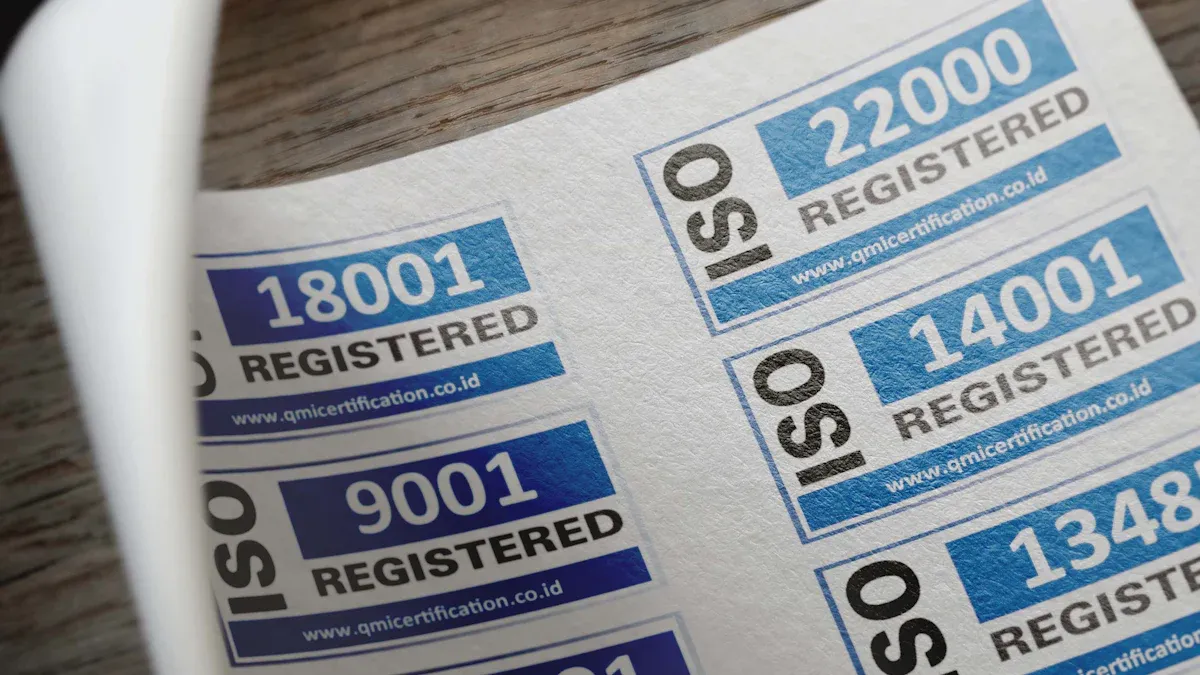
Key Certifications for CNC Machining (e.g., ISO 9001, AS9100, ISO 13485)
Certifications are very important in CNC machining to ensure accuracy. Some key certifications include:
- ISO 9001: This global standard shows companies follow clear steps to make great products. It builds customer trust.
- AS9100: Made for aerospace, this certification ensures safety and high performance.
- ISO 13485: Needed for medical devices, it proves products are safe and work well.
These certifications make companies more trustworthy and help them enter special markets. Certified CNC shops stand out from the competition.
Why Certifications Are Relevant to CNC Machined Parts
Certifications affect how well CNC machined parts work. They make sure parts meet high-quality standards, which is important for industries like aerospace, medical, and automotive. For example:
- ISO 9001 shows a focus on improving quality and saving resources.
- AS9100 ensures aerospace parts are safe and precise.
- ISO 13485 proves medical parts are safe and effective.
Certified CNC shops work efficiently, waste less, and produce faster. This builds trust because customers know certified shops follow global standards when making CNC parts.
Benefits of Quality Certifications for CNC Machined Components
Better Product Quality and Accuracy
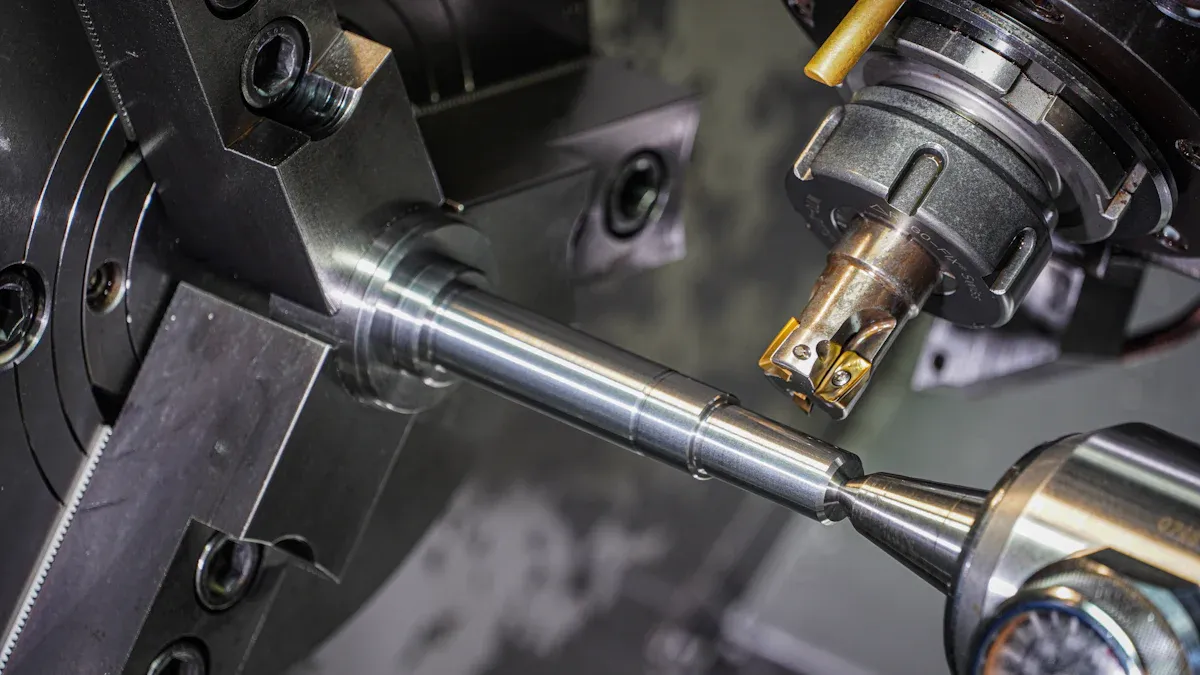
Quality certifications make sure CNC parts meet strict standards. Certified companies follow organized plans to create perfect products. For example, ISO 9001-certified shops use advanced tools to check every detail. They use probes and sensors to measure sizes and tolerances exactly. Real-time tracking systems help cut waste and avoid mistakes during production.
| Quality Check Step | What It Does |
|---|---|
| Quality Management Plan | Organized system to ensure quality in all projects |
| Modern Inspection Tools | Uses advanced equipment for accurate measurements |
| Zero-Defect Goal | Ensures no faulty parts leave the factory |
These steps make CNC parts highly accurate and reliable. This is important for industries like aerospace and medical fields.
Building Customer Trust and Confidence
Certifications like ISO 9001 show a company cares about quality. Customers trust certified companies because they aim for excellence. For example, Alloy Machining Solutions got ISO 9001 certification. This reduced mistakes and improved product quality. It helped them gain new customers and grow globally. Similarly, Apex CNC Works matched their quality system with business goals. This improved supplier relationships and managed risks better. These actions built customer trust and loyalty.
Choosing a certified CNC shop means you get high-quality parts. This trust leads to long-term partnerships and repeat orders.
Meeting Industry Rules and Standards
Certifications also help companies follow industry rules. This makes it easier to work in global markets. Following ISO standards simplifies legal requirements and helps win public contracts. For instance, ISO 9001-2015 certification requires good records and constant improvement. This improves processes and builds customer trust.
| Proof Example | Advantage |
|---|---|
| Following ISO standards helps enter global markets. | Makes it easier to meet rules and trade internationally. |
| Regulators prefer ISO-compliant companies. | Simplifies legal processes and winning contracts. |
| ISO 9001-2015 needs good records and improvements. | Builds trust and ensures compliance with industry rules. |
Working with certified CNC shops ensures your parts meet all rules. This lowers the chance of breaking laws or facing legal problems.
Competitive Advantage in the Market
Quality certifications help CNC shops stand out in the market. They show a strong focus on quality, which attracts customers. Certified shops meet higher standards and deliver reliable results.
Big companies prefer certified suppliers. For example, 80% of aerospace companies need their suppliers to have certifications. This helps certified shops get big contracts and long-term deals. Certifications also improve your company’s image. Studies say 60% of managers like working with trusted brands that have certifications. This builds trust and makes your business a dependable choice.
Certified shops also save money. They improve processes to reduce waste and work faster. Over time, this can cut production costs by 20-30%. This lets you offer good prices without lowering quality. Customers get great CNC parts, and you stay profitable.
| Competitive Advantage Factor | Evidence |
|---|---|
| Supplier Selection | 80% of aerospace firms need certified suppliers. |
| Cost Savings | Certified shops lower costs by 20-30% over time. |
| Brand Reputation | 60% of managers prefer certified, trusted brands. |
Picking a certified CNC shop means better products and fair prices. It also gives you a trusted partner. These benefits help you succeed in a tough market and keep loyal customers.
Industry-Specific Certifications
Aerospace Industry (AS9100)
In aerospace, safety and precision are very important. AS9100 certification ensures CNC parts meet top standards. It builds on ISO 9001 but adds rules for aerospace needs. These include managing risks, tracking parts, and strict quality checks.
CNC shops with AS9100 deliver great results. They cut waste, work faster, and avoid mistakes. This makes them key for aerospace projects. For example:
| Performance Outcome | Description |
|---|---|
| Better Quality | Ensures CNC parts are accurate and error-free. |
| Less Waste | Finds and removes waste, saving money and time. |
| Higher Efficiency | Uses clear steps to make parts faster. |
| Happy Customers | Shows focus on quality, building trust and loyalty. |
| Market Advantage | Needed to join aerospace supply chains and meet standards. |
Picking AS9100-certified shops ensures safe and high-performing aerospace parts.
Medical Device Manufacturing (ISO 13485)
ISO 13485 is crucial for CNC parts in medical devices. It ensures parts meet strict rules and are high quality. This certification focuses on managing risks, checking quality, and following medical laws.
ISO 13485-certified shops make reliable medical devices. These devices help doctors diagnose better and improve lives. Key benefits include:
- Fewer defects due to strict quality checks.
- Strong systems to follow medical rules.
- Better tracking after products are sold to ensure safety.
Using ISO 13485-certified CNC shops gives you dependable parts for medical needs.
Defense and Military Standards
Defense and military work needs perfect precision. Small errors in CNC parts can cause big problems. Certifications like AS9100, ITAR, and DFARS ensure parts meet strict safety and legal rules.
Important standards include:
- AS9100: Ensures quality and tracks aerospace and defense parts.
- ITAR: Protects sensitive defense data for national security.
- DFARS: Requires approved materials to meet strict rules.
Certified CNC shops make high-quality, traceable parts for defense. This lowers risks, avoids delays, and ensures reliable operations.
Automotive Industry (IATF 16949)
The car industry needs parts that work well and last. Manufacturers must meet these needs to stay ahead. The IATF 16949 certification proves CNC parts meet top car standards. It focuses on fewer mistakes, better processes, and happy customers.
Using an IATF 16949-certified CNC shop means getting parts that follow strict rules. This certification aims to stop defects and improve quality. It ensures parts work properly, whether for engines, brakes, or safety systems.
Here are some ways IATF 16949 helps production:
| Performance Metric | What It Shows |
|---|---|
| First Pass Yield (FPY) | Tracks how many parts are made right the first time. |
| Defect Per Million Opportunities (DPMO) | Counts mistakes in a million chances, showing quality levels. |
| Overall Equipment Effectiveness (OEE) | Measures how well machines work, including speed and accuracy. |
These metrics show how IATF 16949 boosts quality and speed. High FPY means fewer fixes and quicker deliveries. Low DPMO means parts meet exact needs, avoiding problems. Better OEE means faster work with less waste.
Picking an IATF 16949-certified CNC shop ensures great car parts. It also helps follow rules and builds customer trust. This certification shows a promise to do excellent work.
Energy Sector Certifications (ISO 50001, API Spec Q1)
Energy systems need strong and reliable parts to work well. Certifications like ISO 50001 and API Spec Q1 make sure CNC parts meet tough energy industry needs. These certifications focus on saving energy and ensuring high quality.
ISO 50001 helps shops use energy wisely during production. Shops with this certification waste less energy and cut costs. This means the parts you get are made efficiently and responsibly.
API Spec Q1 is made for oil and gas work. It ensures parts meet strict safety and quality rules. This includes choosing the right materials and checking parts carefully. Certified parts can handle tough conditions and high pressure.
Choosing shops with these certifications gives you key benefits:
- Better performance: Certified parts work well under tough conditions.
- Following rules: These certifications help meet industry laws.
- Energy savings: ISO 50001 shops focus on using less energy, helping the planet.
In energy work, parts must be precise and strong. Certified CNC shops make sure your parts meet these needs, giving you confidence and an edge in the market.
Operational Advantages of Certified CNC Machining
Faster Processes and Better Efficiency
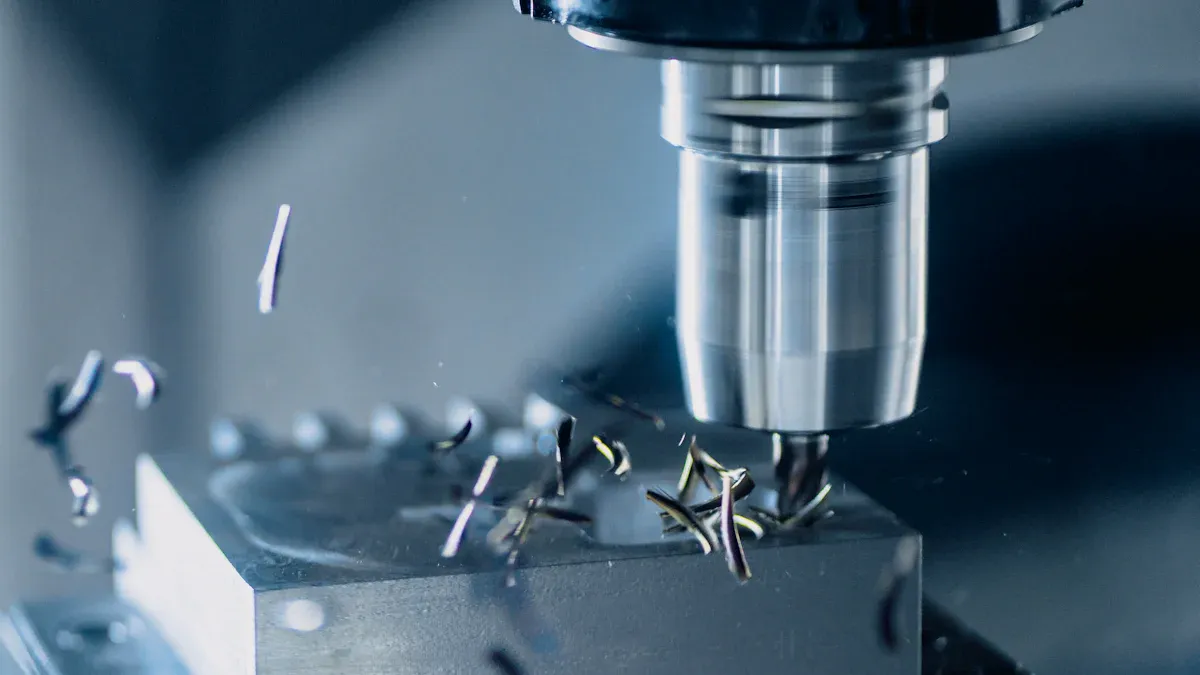
Certified CNC machining makes work faster and more efficient. These certifications ensure every production step is well-organized and smooth. This leads to quicker results and lower costs.
- Cox Manufacturing improved production by using FANUC CNC controls on 80+ machines.
- A steel wheel company saved $252,854 by managing inventory better.
- Catamount Machine Works worked with MSC to cut costs and manage tools better.
- BEST Pump and Flow reduced cycle times by 55%, saving $1.1 million.
- CNC machining uses precise cutting, reducing waste and saving materials.
These examples show how certified CNC shops save time and money for customers.
Better Accuracy and Same Results Every Time
Certified CNC machining ensures parts are accurate and consistent. Certifications require strict rules for size, finish, and process checks. This makes sure parts meet exact needs every time.
| Proof Type | What It Shows |
|---|---|
| Accurate Dimensions | Parts match the required size with little error. |
| Smooth Surface | Ensures smooth finishes, measured in tiny units like microinches. |
| Process Monitoring | Tracks production to keep quality steady. |
These steps reduce errors and ensure reliable parts for industries like aerospace and medical. Certified CNC shops deliver parts you can trust.
Encouraging Improvement and New Ideas
Certified CNC machining focuses on improving and creating new solutions. Shops listen to customer feedback and improve their processes to meet changing needs.
- Real-time data helps make quick changes to save money.
- Tracking quality keeps defect rates below 0.5%, important for precise industries.
- Advanced tools like machine learning improve accuracy and flexibility.
- Predictive maintenance prevents breakdowns, keeping work smooth and fast.
These methods boost productivity and make certified CNC shops leaders in innovation. You get advanced solutions that help your business grow.
Lower Risk of Errors and Following Rules
Quality certifications help reduce mistakes and follow industry rules. Certified CNC shops use strict quality systems to catch problems early. This stops issues from ruining the final product.
Certified shops have clear steps like regular checks and accurate measurements. For example, ISO 9001-certified shops check quality at every production stage. This ensures each part meets the needed standards before moving forward. Fixing mistakes early saves time and money.
Tip: Picking a certified CNC shop helps avoid bad parts and extra costs.
Certifications also make sure shops follow specific industry rules. For example, AS9100 ensures aerospace parts are safe and traceable. ISO 13485 makes sure medical parts meet safety laws. These certifications help avoid fines or recalls by meeting legal needs.
| Certification | Main Focus | How It Helps You |
|---|---|---|
| ISO 9001 | Managing quality and consistency | Fewer mistakes, better reliability |
| AS9100 | Aerospace safety and tracking | Meets strict safety rules |
| ISO 13485 | Medical device safety and rules | Legal approval and trust |
Working with certified CNC shops gives you high-quality, reliable parts. This lowers risks, builds trust, and ensures your products meet top standards.
Choosing a Certified CNC Machine Shop

How to Verify Certifications
When picking a CNC machine shop, check their certifications. This ensures they follow industry rules and deliver quality work. Ask for proof of certifications like ISO 9001, AS9100, or ISO 13485. These show they care about quality and meeting standards. Make sure the certifications are valid and from trusted organizations.
Visit their shop if you can. Certified shops often display their certifications where you can see them. Look for tools and systems that check quality, like inspection equipment and tracking systems. You can also ask for references from past customers to confirm their reliability.
Tip: A certified shop should show proof of certifications and follow industry rules during your visit.
Benefits of Working with Certified Professionals
Certified CNC experts bring many benefits to your projects. They focus on accuracy, speed, and safety. Here’s how they help:
| Benefit | What It Means |
|---|---|
| Less Material Waste | Uses materials efficiently, reducing waste. |
| High Accuracy and No Defects | Makes precise parts with fewer mistakes. |
| Faster Production | Works quicker than manual methods. |
| Easier Assembly | Simplifies putting parts together. |
| Safer Work Environment | Lowers risks compared to manual machining. |
| Saves Energy | Uses less energy than older methods. |
| Cuts Costs | Reduces overall production expenses. |
Certified professionals have a history of doing great work. Their skills and tools make them a smart choice for tough projects.
Questions to Ask When Selecting a CNC Machine Shop
Asking good questions helps you pick the right CNC shop. Here are some important ones:
- How will you machine the features of my part?
- How will you measure my part’s accuracy?
- How will you set up and hold my part?
- Is your shop temperature controlled?
- What software do you use for CNC programming?
- Do you have your own tool-making area?
- How do you keep my product design private?
- What quality certifications do you have?
These questions show how skilled the shop is and how they handle quality. They also help you learn about their tools, processes, and how they protect your designs.
Note: Asking these questions helps you find a shop that fits your project and meets industry standards.
Quality certifications are important for making CNC parts reliable and precise. They help keep quality steady and reduce mistakes. Certified shops follow clear plans, use inspection forms, and record defects in reports. They also collect quality data and fix problems to stop them from happening again.
| Evidence Type | What It Shows |
|---|---|
| Clear quality plans | Steps to check each part carefully. |
| Inspection report forms | Forms to report inspection results the same way every time. |
| Defect reports | Notes on problems and why they happened. |
| Quality data | Tracks how many parts are made and any mistakes. |
| Problem-solving records | Actions taken to fix and prevent repeated issues. |
| Quality reviews | Checks to see if goals are being met. |
Picking certified CNC shops ensures your parts meet rules and work well. Certifications also prove the process is traceable and follows standards. Choose certified shops for top-quality parts and safe, reliable projects.
FAQ
What is the most important certification for CNC machining?
The key certification depends on your industry. For general use, ISO 9001 is very important. Aerospace companies need AS9100, while medical device makers require ISO 13485. These certifications ensure parts meet strict quality and safety rules.
How can I verify if a CNC shop is certified?
Ask the shop to show proof of certifications like ISO 9001 or AS9100. Make sure the certification is valid and from a trusted organization. You can also visit their shop to check if they follow certified processes.
Tip: Certified shops often display their certifications where you can see them.
Why do certifications matter for small CNC projects?
Certifications ensure good quality, even for small jobs. They lower mistakes, save time, and meet industry rules. This means you get reliable parts made to your exact needs.
Do certifications increase the cost of CNC machining?
Certified shops might cost a bit more because of strict quality checks. But the benefits are worth it. You get accurate, defect-free parts, saving money on fixes or replacements. Certifications also ensure the shop follows legal and industry rules.
Can uncertified shops still produce quality CNC parts?
Uncertified shops might make good parts, but there’s no proof. Certifications show a shop follows strict steps and meets global standards. Picking a certified shop lowers risks and ensures dependable results for important projects.
Note: For industries like aerospace or medical, certifications are a must.