Sistema di taglio della mietitrebbia
Identificate il sistema della barra falciante prima di scegliere un componente dall’aspetto simile.
Un dente paralama, una sezione di lama o un componente di taglio correlato deve corrispondere all’interfaccia della macchina e ai componenti che lavorano al suo fianco. Utilizzate il riferimento OEM quando è affidabile, quindi confermate posizione, disposizione dei fori, dimensioni, profilo della sezione e stato di usura.
Mappa delle funzioni dei componenti
I componenti operano come un sistema
Sostituire un componente usurato senza esaminarne le superfici di accoppiamento può lasciare irrisolti taglio scadente, surriscaldamento, resistenza al movimento o guasti ripetuti. La scelta deve considerare come la sezione attraversa il paralama e come il premilama, l’area della controlama e l’allineamento dell’azionamento controllano tale movimento.
Dente paralama
Confermate la forma a dente singolo o doppio, la disposizione dei fissaggi, la geometria della gola, la configurazione della controlama, la posizione e l’eventuale distinzione destra/sinistra.
Sezione di lama
Confermate lunghezza, larghezza, interasse dei fori, dentatura o tipo di tagliente, spessore, collegamento rivettato o bullonato e sistema di paralama abbinato.
Premilama e componenti correlati
Verificate gioco, usura, deformazione, montaggio e se un altro componente sta forzando la lama fuori dalla traiettoria prevista.
Scheda di identificazione
Raccogliete evidenze valide anche quando le denominazioni dei modelli non coincidono
I marchi di macchine possono utilizzare sistemi di barra falciante diversi secondo modelli, anni e mercati. Un dossier di identificazione completo riduce il rischio di scegliere soltanto in base all’aspetto.

Materiale e processo
La resistenza all’usura è un equilibrio, non una singola dichiarazione di durezza
Stato del materiale, formatura, trattamento termico, geometria del tagliente e ispezione influenzano il comportamento in servizio. Una durezza maggiore, da sola, non garantisce prestazioni migliori se tenacità, urti, allineamento o usura dei componenti accoppiati non sono adeguati.
Quando una scheda non pubblica un valore di durezza o di processo specifico del progetto, il requisito può comunque essere discusso e confermato in base ad applicazione, disegno, campione e piano di accettazione.
Sequenza di selezione
Passate dalle evidenze a un abbinamento controllato
Raccogliete numeri, dati macchina e posizione del componente.
Utilizzate superfici stabili e registrate le unità.
Verificate la disposizione completa di fori e profili.
Distinguete la geometria originale dai danni di esercizio.
Scegliete tra ricerca di un componente compatibile a magazzino e valutazione della produzione su misura.
Domande degli acquirenti
Domande frequenti sull’identificazione
La marca della macchina basta per scegliere un dente paralama?
No. La stessa marca può utilizzare sistemi di barra falciante diversi. Includete modello, numero di riferimento, disposizione dei fissaggi, dimensioni e fotografie della posizione effettiva.
RELIA può lavorare da un campione usurato?
Un campione usurato può supportare l’identificazione o la valutazione di una soluzione su misura, ma la geometria originale deve essere distinta da usura, piegature e riparazioni. Potrebbe essere necessario misurare anche le interfacce stabili e i componenti accoppiati.
Una durezza maggiore significa sempre una durata superiore?
No. Prestazioni di taglio e usura dipendono dalla durezza insieme a tenacità, geometria, allineamento, coltura e condizioni in campo, componenti accoppiati e installazione. L’equilibrio adatto deve essere confermato per l’applicazione.
Contesto produttivo di questa guida tecnica
I dati di compatibilità collegano il sistema della barra falciante alla produzione ripetuta
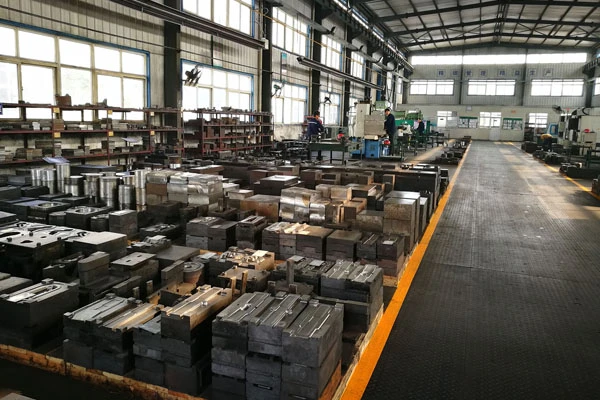
RELIA produce sezioni di lama, paralama, coltelli trinciatori e barre portalama nella propria fabbrica. Le fasi di identificazione di questa guida diventano la base di accoppiamento e ispezione per lo SKU approvato.
I riferimenti coprono marchi principali quali John Deere, CLAAS, New Holland, Case IH, Massey Ferguson e Fendt. La compatibilità viene confermata in base al modello esatto, al riferimento OEM e alla geometria della barra falciante.
Identificazione dei componenti
Inviate le evidenze già disponibili.
Fornite numero OEM o di fusione, modello macchina, posizione del componente, dimensioni principali, fotografie, quantità ed eventuali problemi di taglio. RELIA può valutare un abbinamento a magazzino o un percorso di fabbricazione su misura.
Percorso completo
Scegliete la prossima decisione sui componenti di taglio per mietitrebbie
I percorsi seguenti suddividono le domande sulle mietitrebbie in attività di selezione, misurazione, risoluzione dei problemi o approvvigionamento. Aprite la pagina utile più specifica anziché leggere l’intera biblioteca in sequenza.