

Stainless Steel Elbows for Chemical Pipework
For chemical pipework, select the stainless grade from the process and cleaning conditions, then match the elbow geometry and ends to the spool. RELIA forms butt-weld fittings and finishes the connection ends. This guide explains how forming, the required material condition and surface treatment relate to weld preparation and receiving checks. It helps you define a stainless elbow order without treating a shiny surface or a general grade family as proof of suitability for every chemical service.
Discuss this purchase with RELIA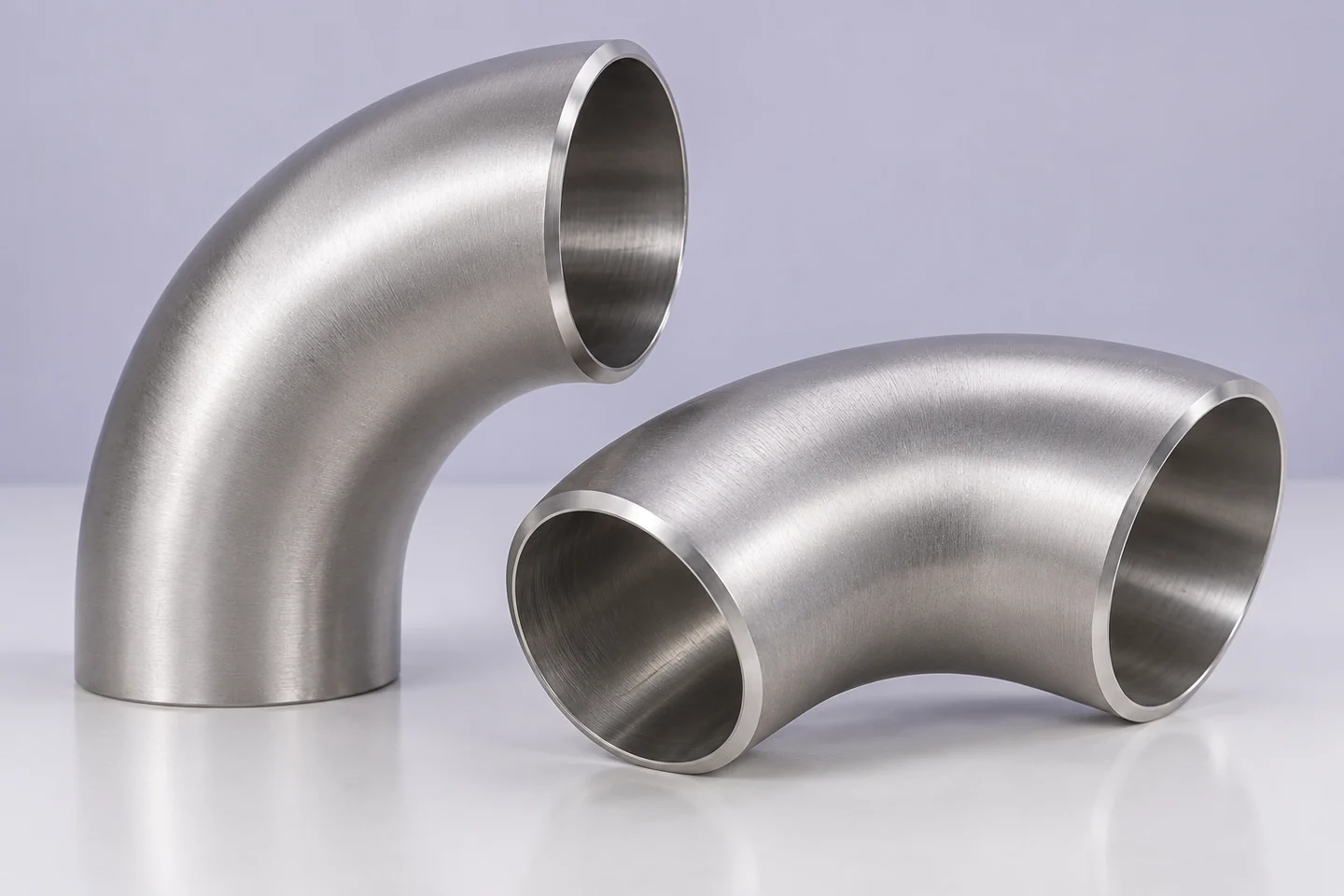
RELIA Forming and Finishing for Stainless Fittings
RELIA forms butt-weld fittings and machines their ends in China. For stainless chemical pipework, the manufacturing discussion connects the selected material with the curve, finished weld ends and delivery surface condition. Our initial inspection scope covers dimensions, material documents and pre-shipment checks. A specific forming or surface-treatment route is reviewed against the grade and specification rather than assumed from a bright product photograph.
- RELIA in ChinaFitting forming and end preparation
- Your benefitBody geometry connected to fabrication fit
- Initial checksDimensions, material documents and pre-shipment condition
The chemical service sets the material requirement
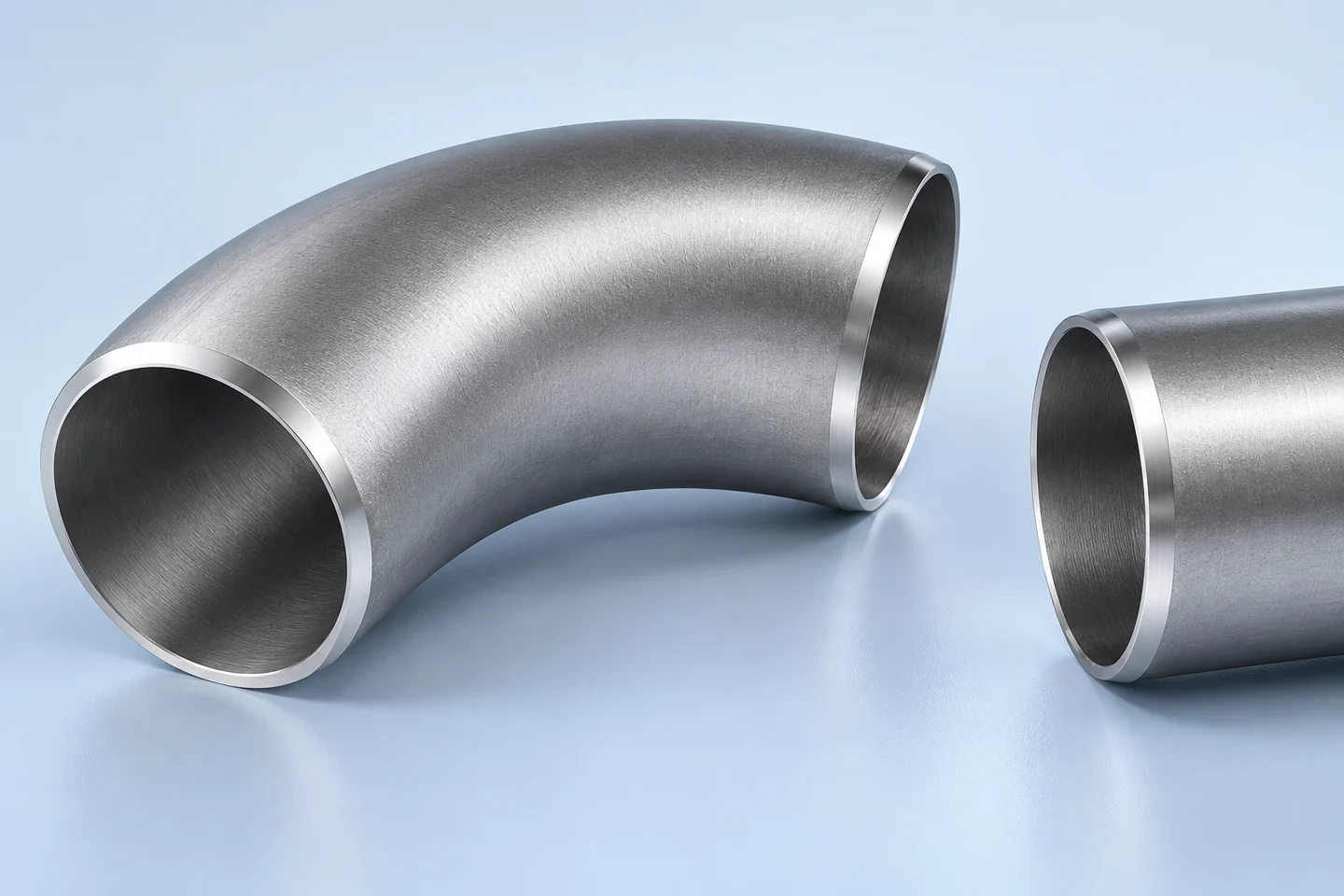
Our range includes an ASTM A403 WP304 90-degree LR elbow and a 304/316 stainless 90-degree long-radius reference. Keep grade, angle and radius together when building the enquiry. The 304 and 316 families are alternatives for a material review, not interchangeable promises of chemical resistance.
Use the process fluid, concentration, operating temperature and cleaning cycle to establish the material requirement. The approved pipework design then determines which material and elbow configuration can enter the spool.
Catalogue references support the enquiry. The accepted drawing, material definition and quotation identify the supplied configuration.
The spool defines the bend and weld ends
Define the pipe outside diameter and wall at both ends, the end preparation and the body construction requirement. A butt-weld installation describes the connection; it does not by itself establish whether the fitting body was made from a specified seamless or welded starting product.
Keep surface requirements separate from the geometric definition. A clean-looking elbow can still have the wrong end wall or centre-to-end dimension for the fabrication drawing.
| Parameter | Purchase meaning |
|---|---|
| Material | Exact specification and grade |
| Body route | Permitted construction and delivery condition |
| End geometry | Outside diameter, wall and preparation |
| Surface | Specified cleanliness or finish at delivery |
Forming with a controlled material condition
The route prepares the starting material, forms the bend, establishes the required material condition and finishes the ends. Hot and cold forming introduce different material histories, so any required treatment depends on the actual grade, route and specification.
RELIA performs forming and end preparation. The process description for an order should explain those operations without assuming one heat-treatment cycle, one oxide-removal method or one acceptance limit for every stainless elbow.
- PrepareMaterial and starting section
- FormSelected curve and route
- ConditionTreatment where required by the specification
- FinishEnd machining and agreed surface preparation
Cleaning and finish have different functions
Oxide removal, surface cleanliness and measured surface texture are distinct requirements. If pickling or passivation forms part of the selected route, define its purpose and the required result. A visual finish is not a measurement of roughness and does not verify alloy identity.
The curve and the prepared end should remain easy to inspect after finishing. Delivery protection should preserve the surface condition actually specified for the spool, without adding an unrequested decorative coating.
Checks at the formed body and ends
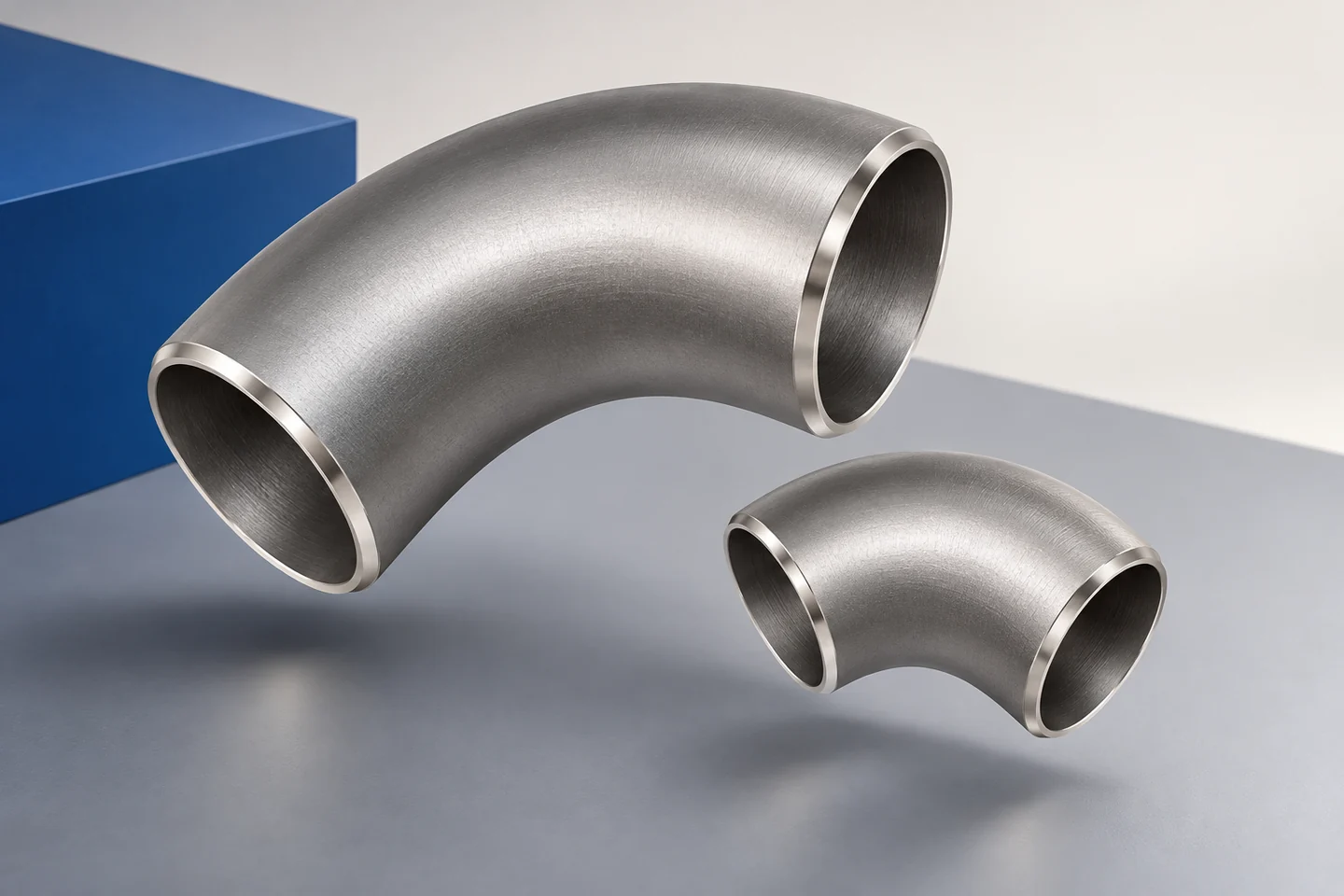
Inspect the stainless elbow as a formed body with two functional ends. The dimensional plan should address angle, centre-to-end features, end dimensions, roundness and the specified wall checks. Material-document review confirms the selected grade requirement separately.
RELIA can align these records with the item definition. Additional material identification, surface verification or NDT is agreed for the project rather than implied by the word stainless.
| Parameter | Purchase meaning |
|---|---|
| Body | Curve geometry and specified wall checks |
| Ends | Dimensions and joining preparation |
| Material | Grade and relevant documents |
| Surface | Agreed visual or measured delivery requirement |
Material and dimensional evidence stay connected
The evidence should connect the actual stainless configuration with its records. A material document and a dimension report answer different questions; both should refer to the selected component. Genuine forming, finishing or inspection photographs can explain the production stage without replacing measured results.
For adjacent decisions, the stainless-flange guide addresses the gasketed joint while the carbon-steel elbow guide addresses a different material family. Keeping those boundaries clear helps purchasing find the right next specification.
- ConfigurationGrade plus angle, radius and end definition
- MechanismForming and end-finishing explanation
- VerificationMaterial and dimensional records
- Next interfaceMatching flange or adjacent pipework review
Surface protection continues through delivery
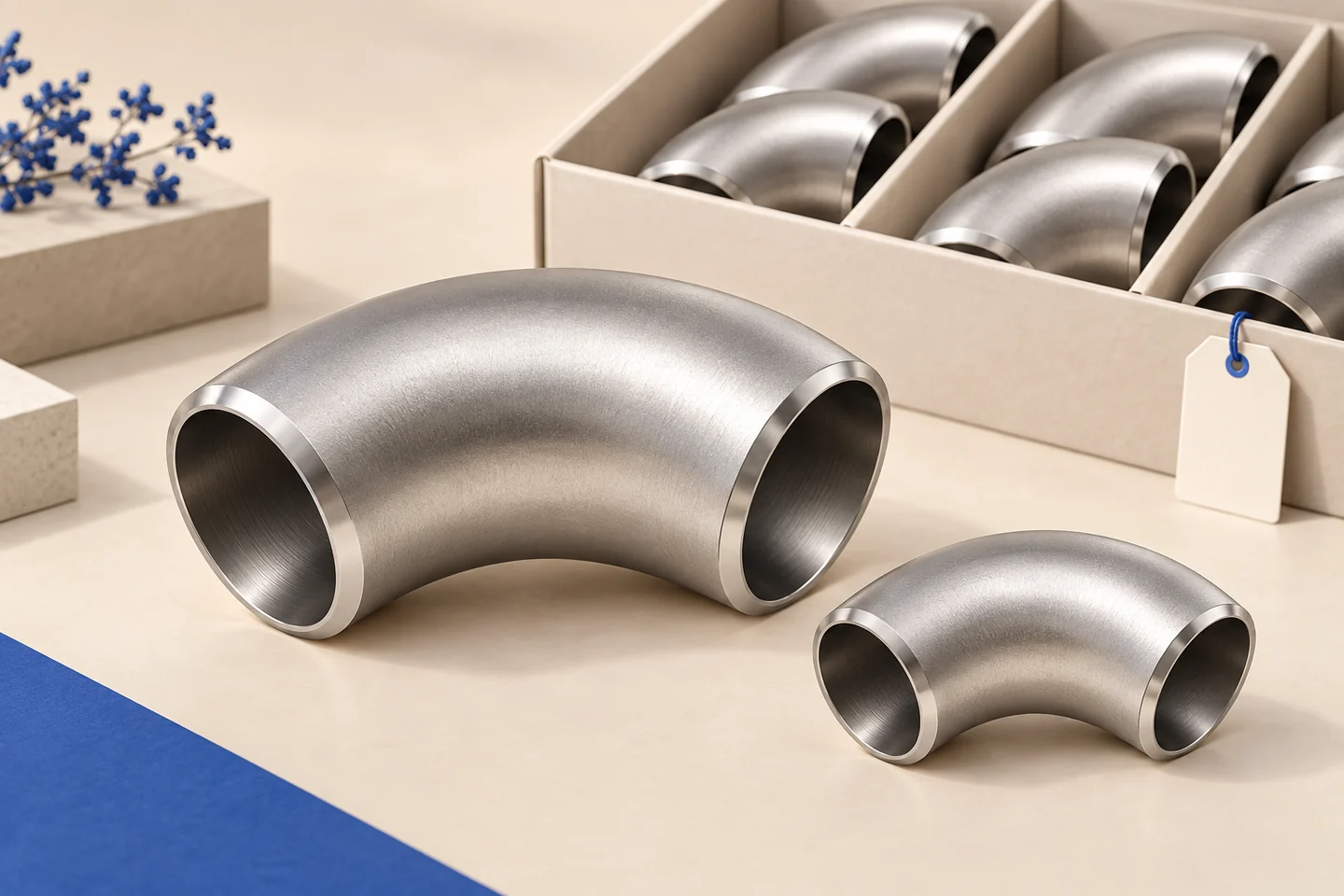
Separate different grades and elbow configurations in delivery identification. Protect the ends and specified surface state through packing and shipment. For a repeat spool, the receiving team should be able to distinguish variants without relying on how polished the surface appears.
RELIA can review repeat requirements against the accepted drawing and material definition. Proposed changes belong in the technical review before they affect fabrication.
Contact RELIA for Your Purchase Specification
Send the spool drawing, selected grade, 90-degree or other required angle, LR/SR or drawing radius, actual pipe dimensions, body-route requirement, end preparation and surface requirements. Add quantities and inspection needs for RELIA’s manufacturing review.
- DefineDrawing, configuration and quantities
- ReviewManufacturing scope and inspection requirements
- QuoteA clear technical and commercial basis
