
Качество
От запроса цены до образцов, контроля и поставки
Сделайте процесс после запроса прозрачным: от уточнения требований до одобрения образцов, производства, контроля, упаковки и повторного заказа.
Последовательность рассмотрения
Управляемый путь через образцы, производство и поставку
Эта последовательность позволяет заранее обсудить процесс от запроса цены до образцов, контроля и поставки, не скрывая недостающую информацию. Подтверждённые данные, допущения предложения и оставшиеся решения остаются видимыми и покупателю, и поставщику.
Определить задачу от запроса цены до поставки
Укажите, чего должен достичь процесс от запроса цены до образцов, контроля и поставки и как он связан с окружающей системой.
Отделить подтверждённые данные от открытых вопросов
Зафиксируйте утверждённую спецификацию/редакцию, критерии для образцов и план контроля, чётко отметив значения, требующие подтверждения.
Рассмотреть факторы, определяющие процесс от запроса цены до поставки
Свяжите анализ требований до подготовки предложения, письменные допущения предложения и приёмку образца или первого изделия с чертежами, образцами или примечаниями по приёмке.
Выпустить единое контролируемое требование от запроса цены до поставки
Используйте одну и ту же утверждённую редакцию и допущения для процесса от запроса цены до образцов, контроля и поставки при подготовке предложения, рассмотрении образцов, производстве и контроле.
Карта решений
Сохранять утверждённое требование видимым от запроса цены до поставки
Начните с «Анализа требований до подготовки предложения» и сохраняйте связь остальных условий с тем же требованием.
| Решение | Почему оно влияет на рассмотрение | Полезные данные покупателя |
|---|---|---|
| Анализ требований до подготовки предложения | Для процесса от запроса цены до образцов, контроля и поставки определите «анализ требований до подготовки предложения» через функцию, интерфейс и наблюдаемый метод приёмки. Оставляйте неизвестное значение видимым как открытый вопрос, чтобы подтвердить его до превращения в производственное или закупочное требование. | утверждённая спецификация/редакция |
| Письменные допущения предложения | Для процесса от запроса цены до образцов, контроля и поставки определите «письменные допущения предложения» через функцию, интерфейс и наблюдаемый метод приёмки. Оставляйте неизвестное значение видимым как открытый вопрос, чтобы подтвердить его до превращения в производственное или закупочное требование. | критерии для образцов |
| Приёмка образца или первого изделия | Свяжите запрашиваемые подтверждения с характеристикой, методом, объёмом выборки и критерием приёмки. Согласуйте записи до подготовки предложения, если они влияют на закупку материалов, планирование процесса, время контроля или документацию для разрешения выпуска. | утверждённая спецификация/редакция |
| Контрольные точки разрешения производства и приёмки | Свяжите запрашиваемые подтверждения с характеристикой, методом, объёмом выборки и критерием приёмки. Согласуйте записи до подготовки предложения, если они влияют на закупку материалов, планирование процесса, время контроля или документацию для разрешения выпуска. | утверждённая спецификация/редакция |
| Управление редакциями для упаковки, маркировки, отгрузки и повторных заказов | Используйте маркировку и справочные данные оборудования, чтобы сузить поиск, затем сопоставьте фотографии, расположение и контролируемые измерения. Марка, модель или сходный внешний вид полезны как свидетельства, но не являются окончательным доказательством взаимозаменяемости. | утверждённая спецификация/редакция |
Комплект требований
Определить критерии разрешения перехода перед каждым этапом проекта
Для процесса от запроса цены до образцов, контроля и поставки отправьте подтверждённые значения с единицами измерения и источником. Отметьте неизвестное как «требует подтверждения», не превращая предположение в производственное требование.
Рассмотрение можно начать с утверждённой спецификации/редакции, критериев для образцов и плана контроля. Затем RELIA сможет отделить сведения для подбора по ассортименту от решений, требующих изготовления на заказ или дополнительного технического подтверждения.
Вопросы покупателей
Вопросы покупателей после отправки запроса цены
Эти ответы помогают подготовить и сравнить требования к процессу от запроса цены до образцов, контроля и поставки. Окончательные номинальные параметры, размеры и приёмка остаются привязанными к фактическим данным проекта, предоставленным для рассмотрения.
Что происходит после отправки запроса цены?
Требование уточняется, допущения предложения фиксируются, порядок действий согласовывается; до производства может быть рассмотрен образец или первое изделие. Требования к контролю, упаковке, маркировке и поставке должны оставаться связанными с утверждённой редакцией. Для следующего рассмотрения приложите или укажите утверждённую спецификацию/редакцию.
Когда уместно рассмотрение образца или первого изделия?
Используйте рассмотрение образца или первого изделия, если до серийного производства нужно подтвердить оснастку, процесс, геометрию, отделку, сопряжение или другие критические характеристики. Определите подтверждения для одобрения и изменения, требующие повторного рассмотрения. Для следующего рассмотрения приложите или укажите критерии для образцов.
Как документировать критерии одобрения образцов?
Зафиксируйте утверждённую редакцию чертежа, измеренные или функциональные характеристики, отделку, маркировку, документы и все принятые отклонения. Устного «образец одобрен» недостаточно для повторного производства. Для следующего рассмотрения приложите или укажите утверждённую спецификацию/редакцию.
Какие записи контроля следует согласовать до производства?
До производства согласуйте характеристики, метод, выборку, критерии приёмки и формат отчёта. Поздние запросы могут потребовать новых испытаний, дополнительных операций или повторного контроля, не включённых в предложение. Для следующего рассмотрения приложите или укажите утверждённую спецификацию/редакцию.
Как подтверждаются требования к упаковке, маркировке и отправке?
Укажите место назначения, способ перевозки, защиту от коррозии или ударов, маркировку единицы и внешней упаковки, количество в упаковке, документацию и особые условия обращения. Подтвердите эти детали в рамках утверждённого технического и коммерческого объёма. Для следующего рассмотрения приложите или укажите критерии для образцов.
Границы решения
Изменения, требующие рассмотрения перед следующим разрешением выпуска
Эта страница о процессе от запроса цены до образцов, контроля и поставки даёт упорядоченную отправную точку, но не заменяет полномочия проектной организации покупателя, применимые нормы или окончательное утверждение проекта.
Используйте руководство для подготовки рассмотрения процесса от запроса цены до поставки
- систематизировать известную утверждённую спецификацию/редакцию и критерии для образцов
- сравнивать предложения на основе одинаковых допущений
- выявлять недостающие размеры, режимы работы или записи
- выбирать между рассмотрением ассортимента и изготовления на заказ
Окончательное одобрение от запроса цены до поставки определяется спецификацией проекта
- окончательные размер, материал, номинальные параметры, процесс или конфигурация
- совместимость со всей средой эксплуатации и монтажа
- одобрение по применимым нормам, конечным пользователем или уполномоченной проектной организацией
- выборка, испытания, документы, упаковка и условия поставки для конкретного заказа
Производственный контекст этого технического руководства
Каждый этап поставки создаёт запись для следующего решения
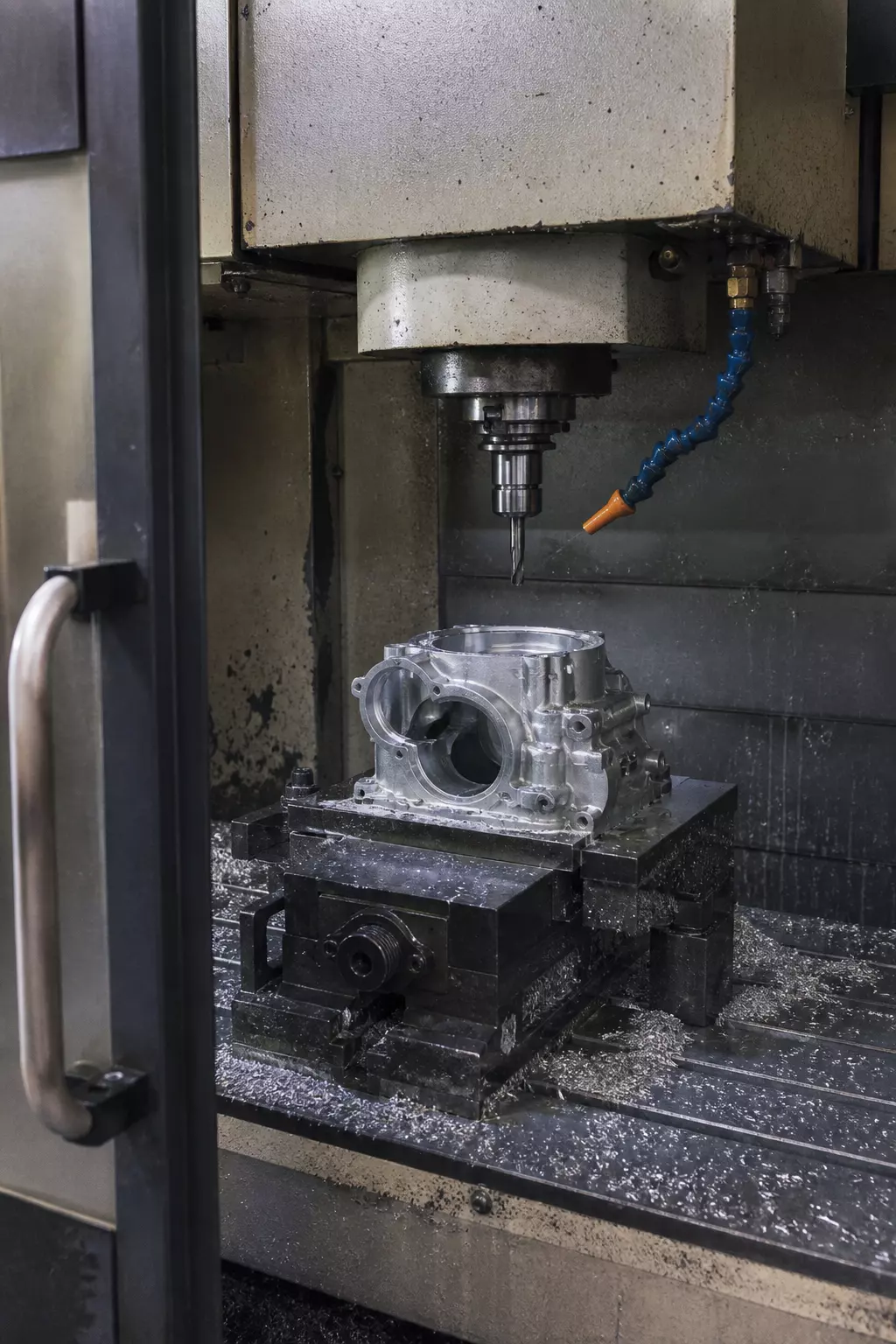
RELIA поддерживает связь технического и коммерческого процесса от запроса цены через образцы, контроль и упаковку до повторных поставок на собственном заводе.
Реальные записи заказов, например RL-FS-2401 и RL-HK-2401, показывают применение этой последовательности: на этапе образцов выявлялись необходимые исправления, одобрение следовало за обновлёнными подтверждениями, а повторная потребность оставалась связанной с принятым эталоном.
Рассмотрение конкретного проекта
Отправьте имеющуюся информацию по процессу от запроса цены до образцов, контроля и поставки.
RELIA может систематизировать утверждённую спецификацию/редакцию и критерии для образцов, предоставить перечень открытых вопросов и определить, следует ли выполнять запрос на основе доступного ассортимента или изготовления на заказ.
При обращении по процессу от запроса цены до образцов, контроля и поставки можно обсудить применимые документы ISO 9001, ISO 14001 и другие документы квалификации поставщика и получить актуальные копии по запросу. Эти записи систем менеджмента не заменяют приёмку продукции по конкретному заказу.