Referentie
Technische tekeningen, afmetingen en toleranties
Stel een tekeningenpakket samen dat productie en inspectie duidelijk maakt wat kritisch is, wat als referentie dient en wat goedkeuring vereist.
Eisenpakket
Bundel 2D-, 3D- en monstergegevens in één beheerst pakket
Stuur voor technische tekeningen, afmetingen en toleranties bevestigde waarden met hun eenheden en bron. Markeer onbekende gegevens als ‘nog te bevestigen’ in plaats van er een veronderstelde productie-eis van te maken.
Een beoordeling kan beginnen met een 2D-tekening, een 3D-model indien beschikbaar en de revisie. RELIA kan vervolgens informatie voor een vergelijking met het productassortiment scheiden van beslissingen die maatwerkproductie of verdere technische bevestiging vereisen.
Beslissingskaart
Laat de tekening functie, productie en inspectie sturen
Begin met ‘Revisie- en goedkeuringsstatus’ en houd de overige voorwaarden gekoppeld aan dezelfde eis.
| Beslissing | Waarom dit de beoordeling beïnvloedt | Nuttige input van de koper |
|---|---|---|
| Revisie- en goedkeuringsstatus | Vermeld het leidende document, de revisie, eenheden en goedgekeurde afwijkingen. Los tegenstrijdige referenties vóór de offerte op, zodat inkoop, productie en inspectie vanuit dezelfde beheerste eis werken. | revisie |
| Datums en functiekritische kenmerken | Definieer bij technische tekeningen, afmetingen en toleranties ‘datums en functiekritische kenmerken’ aan de hand van functie, interface en een waarneembare acceptatiemethode. Houd onbekende waarden zichtbaar als open punten, zodat ze kunnen worden bevestigd voordat ze een productie- of inkoopeis worden. | kritische afmetingen |
| Specifieke toleranties waar de functie dat vereist | Specificeer het volledige schroefdraadsysteem, de diameter, spoed of TPI, draairichting, passingsklasse, ingrijplengte en inspectietoestand. Gecoate schroefdraad moet in afgewerkte toestand worden geaccepteerd met de overeengekomen kaliber- of meetmethode. | 2D-tekening |
| Materiaal, warmtebehandeling en oppervlakteafwerking | Vermeld de continue toestand, tijdelijke overschrijdingen en het punt waarop de waarde van toepassing is. Temperatuur kan materiaalgedrag, afdichting, sterkte, coatingprestaties en toegestane beweging beïnvloeden en moet daarom samen met de volledige gebruiksomstandigheden of productieroute worden beoordeeld. | materiaal-/procesnotities |
| 2D-/3D-consistentie en beperkingen van monsters | Gebruik markeringen en apparatuurreferenties om de zoekopdracht te verfijnen en controleer daarna foto's, locatie en beheerste metingen onderling. Een merk, model of vergelijkbaar uiterlijk is nuttig bewijs, maar geen definitief bewijs van uitwisselbaarheid. | 3D-model indien beschikbaar |
Beoordelingsvolgorde
Gebruik één goedgekeurde revisie voor offerte en productie
Deze volgorde maakt een vroeg gesprek over technische tekeningen, afmetingen en toleranties mogelijk zonder ontbrekende informatie te verbergen. Bevestigde gegevens, offerte-aannames en resterende beslissingen blijven zichtbaar voor zowel koper als leverancier.
Definieer de taak voor tekeningen en toleranties
Geef aan wat technische tekeningen, afmetingen en toleranties moeten bereiken en hoe dit samenhangt met het omringende systeem.
Scheid bevestigde gegevens van open punten
Leg de 2D-tekening, het 3D-model indien beschikbaar en de revisie vast en markeer duidelijk welke waarden nog bevestiging vereisen.
Beoordeel de bepalende factoren voor tekeningen en toleranties
Koppel revisie- en goedkeuringsstatus, datums en functiekritische kenmerken, en specifieke toleranties waar de functie die vereist aan tekeningen, monsters of acceptatienotities.
Geef één beheerste eis voor tekeningen en toleranties vrij
Neem dezelfde goedgekeurde revisie van technische tekeningen, afmetingen en toleranties en dezelfde aannames mee in offerte, monsterbeoordeling, productie en inspectie.
Vragen van kopers
Vragen over tekeningen en toleranties vóór productie
Deze antwoorden helpen eisen voor technische tekeningen, afmetingen en toleranties voor te bereiden en te vergelijken. Definitieve nominale waarden, afmetingen en acceptatie blijven gekoppeld aan de werkelijke projectgegevens die ter beoordeling zijn aangeleverd.
Welke minimale informatie moet op een technische tekening staan?
Vermeld minimaal geometrie, afmetingen, eenheden, toleranties, materiaal, afwerkings- of procesnotities, revisie en functiebepalende kenmerken. Voeg waar nodig eisen voor schroefdraad, warmtebehandeling, markering en inspectie toe. Voeg voor de volgende beoordeling de 2D-tekening bij of vermeld welke tekening van toepassing is.
Hoe moeten tekeningsrevisie en goedkeuringsstatus worden beheerd?
Gebruik één revisie-identificatie in de offerteaanvraag, offerte, monstergoedkeuring, inkooporder en productie- en inspectieregistraties. Beoordeel elke latere wijziging vóór vrijgave op gevolgen voor prijs, gereedschappen, proces, inspectie en levering. Voeg voor de volgende beoordeling de revisie toe of vermeld deze.
Welke afmetingen moeten als functiekritisch worden gemarkeerd?
Beschouw afmetingen als kritisch wanneer ze montage, afdichting, uitlijning, belastingsoverdracht, beweging, speling of een andere vastgelegde functie bepalen. Markeer ze op de tekening met datums, toleranties en de beoogde inspectiemethode. Voeg voor de volgende beoordeling de 2D-tekening bij of vermeld welke tekening van toepassing is.
Beslissingsgrenzen
Wat een model of monster op zichzelf niet kan vastleggen
Deze pagina over technische tekeningen, afmetingen en toleranties biedt een gestructureerd uitgangspunt en vervangt niet de ontwerpverantwoordelijke van de koper, de toepasselijke voorschriften of de definitieve projectgoedkeuring.
Gebruik deze gids om de beoordeling van tekeningen en toleranties voor te bereiden
- de bekende 2D-tekening en het 3D-model indien beschikbaar ordenen
- voorstellen vergelijken op basis van dezelfde aannames
- nog ontbrekende afmetingen, bedrijfscondities of registraties vaststellen
- kiezen tussen beoordeling van het productassortiment en beoordeling van maatwerkproductie
Definitieve goedkeuring van tekeningen en toleranties blijft gebonden aan de projectspecificatie
- definitieve maat, materiaal, nominale waarde, proces of configuratie
- compatibiliteit met de volledige bedrijfs- en installatieomgeving
- toepasselijke voorschriften en goedkeuring door eindgebruiker of ontwerpverantwoordelijke
- orderspecifieke bemonstering, beproeving, documenten, verpakking en leveringsvoorwaarden
Fabriekscontext bij deze technische gids
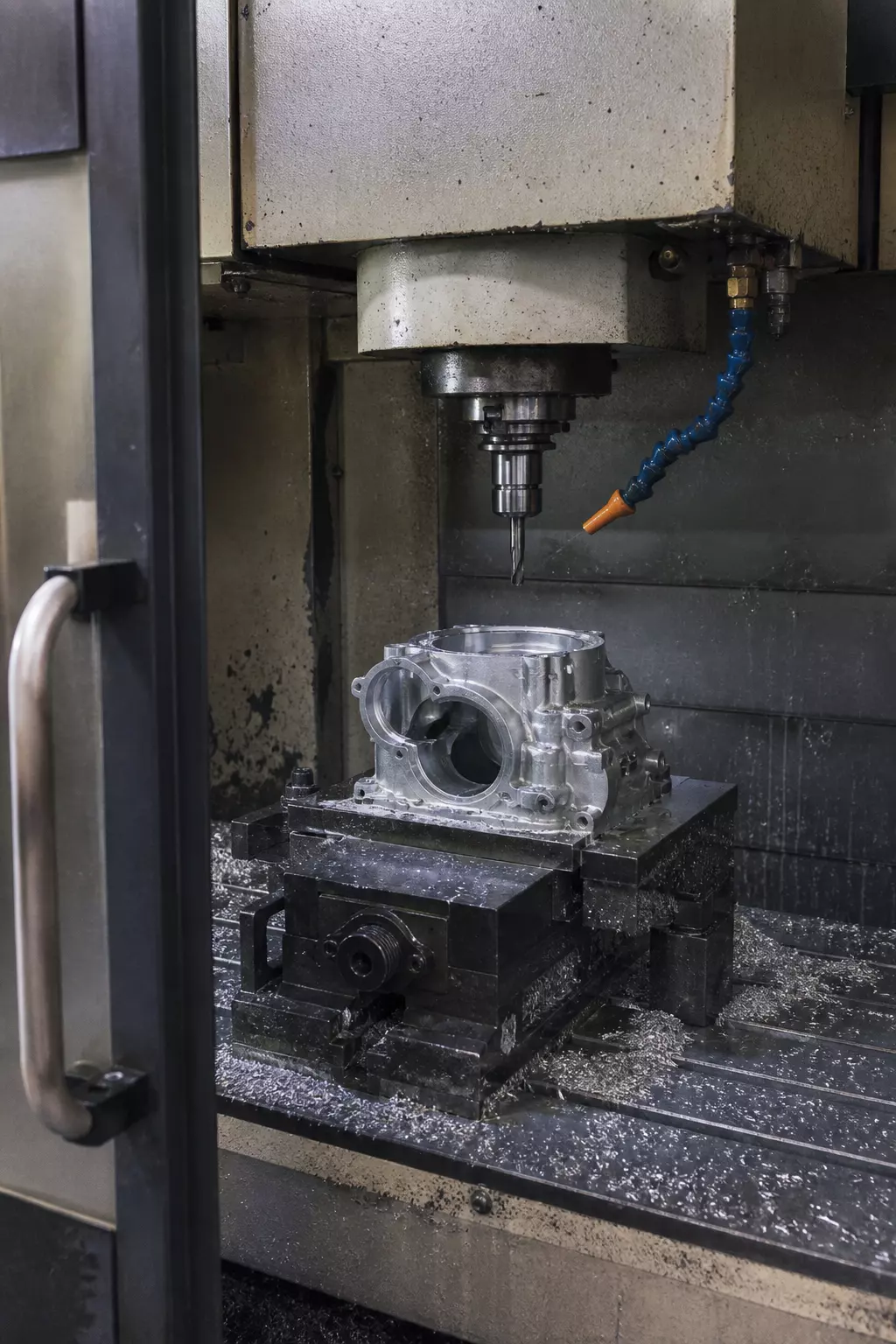
Tekeningdatums en toleranties vormen het inspectieplan
RELIA gebruikt de beheerste tekening om productiedatums, kritische afmetingen en de meetmethode voor vrijgave met elkaar te verbinden.
Toleranties zijn gericht op kenmerken die passing, afdichting, uitlijning en beweging bepalen. Het meetplan legt vast of afmetingen vóór of na coating gelden en hoe elk kritisch kenmerk wordt geverifieerd.
Projectspecifieke beoordeling
Stuur de beschikbare informatie over technische tekeningen, afmetingen en toleranties.
RELIA kan de 2D-tekening en het 3D-model indien beschikbaar ordenen, een lijst met open punten terugsturen en beoordelen of de aanvraag via een beschikbaar productassortiment of maatwerkproductie moet worden voortgezet.
Bij een aanvraag over technische tekeningen, afmetingen en toleranties kunnen toepasselijke ISO 9001-, ISO 14001- en andere leverancierskwalificatiedocumenten worden besproken en actuele kopieën op verzoek worden verstrekt. Deze managementsysteemregistraties vervangen geen orderspecifieke productacceptatie.